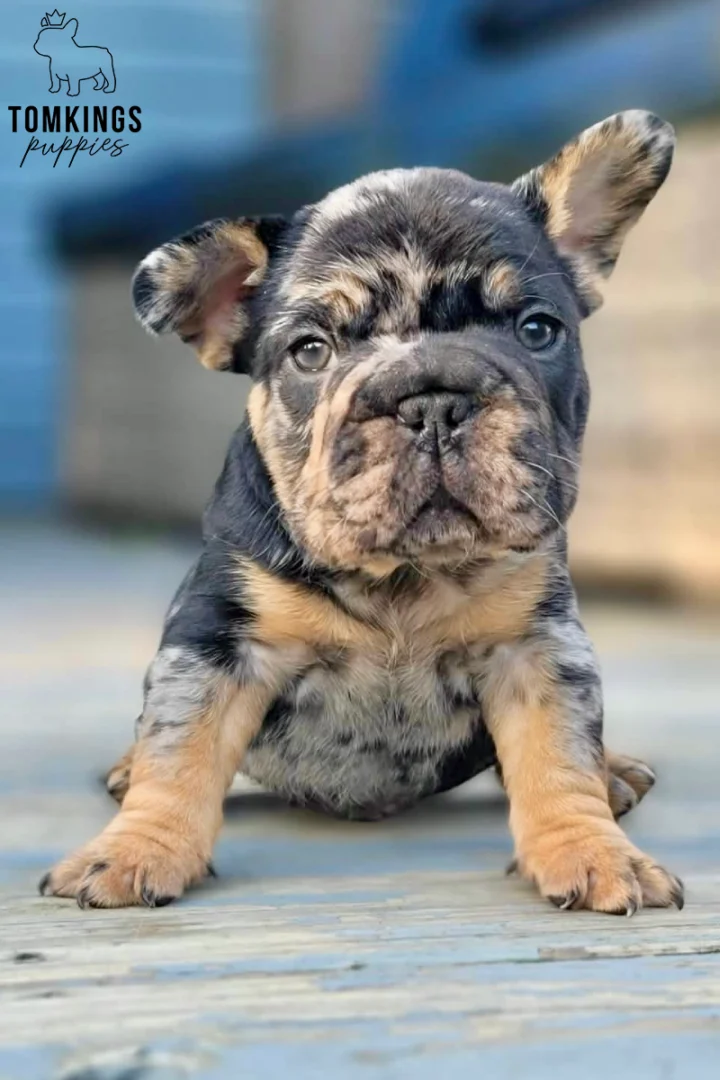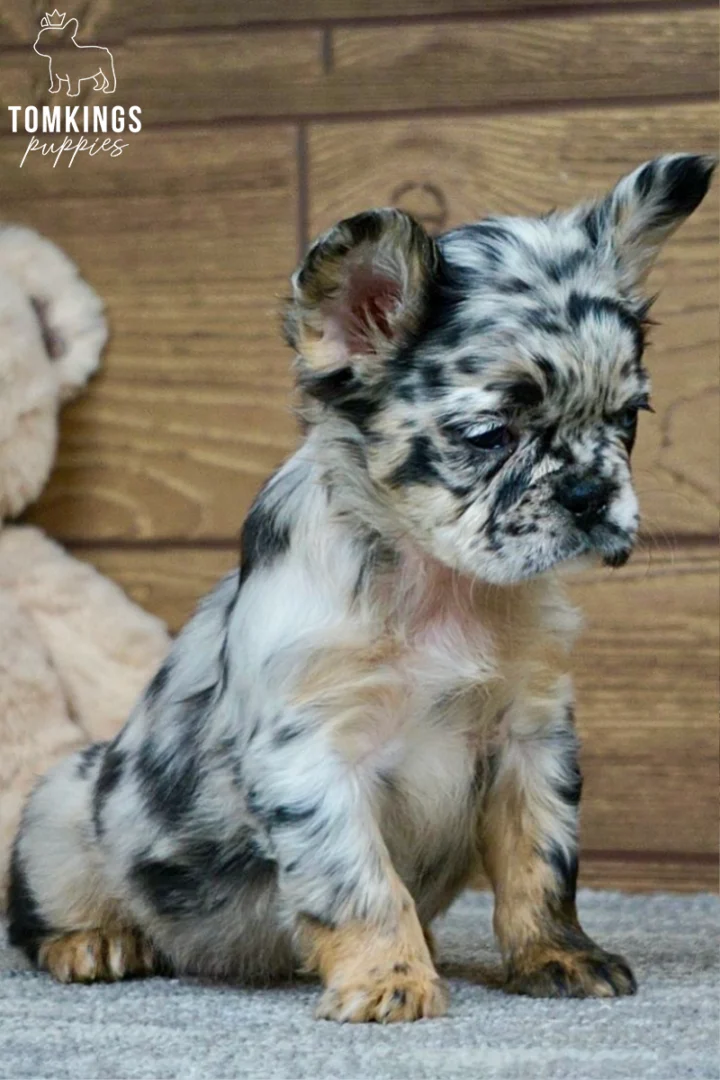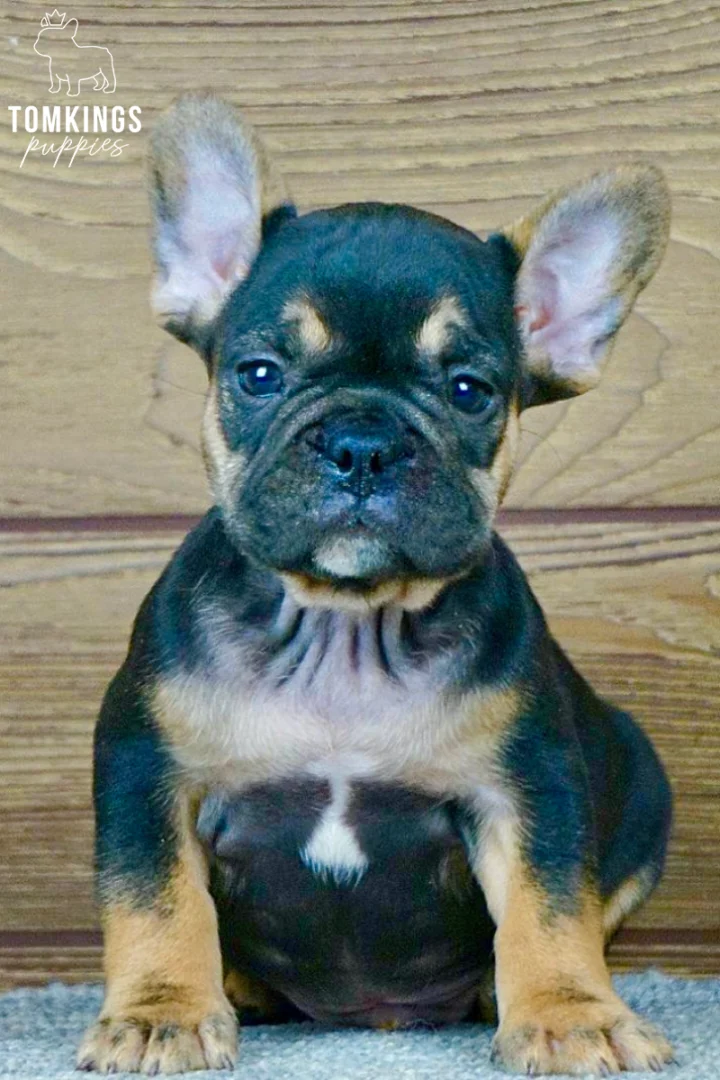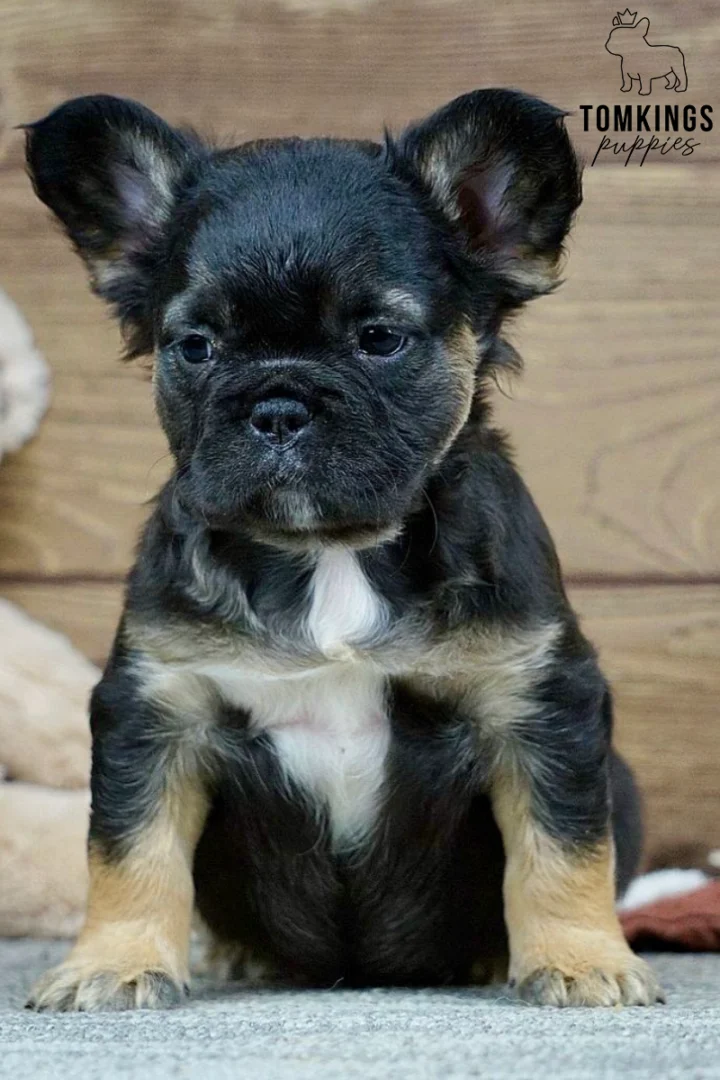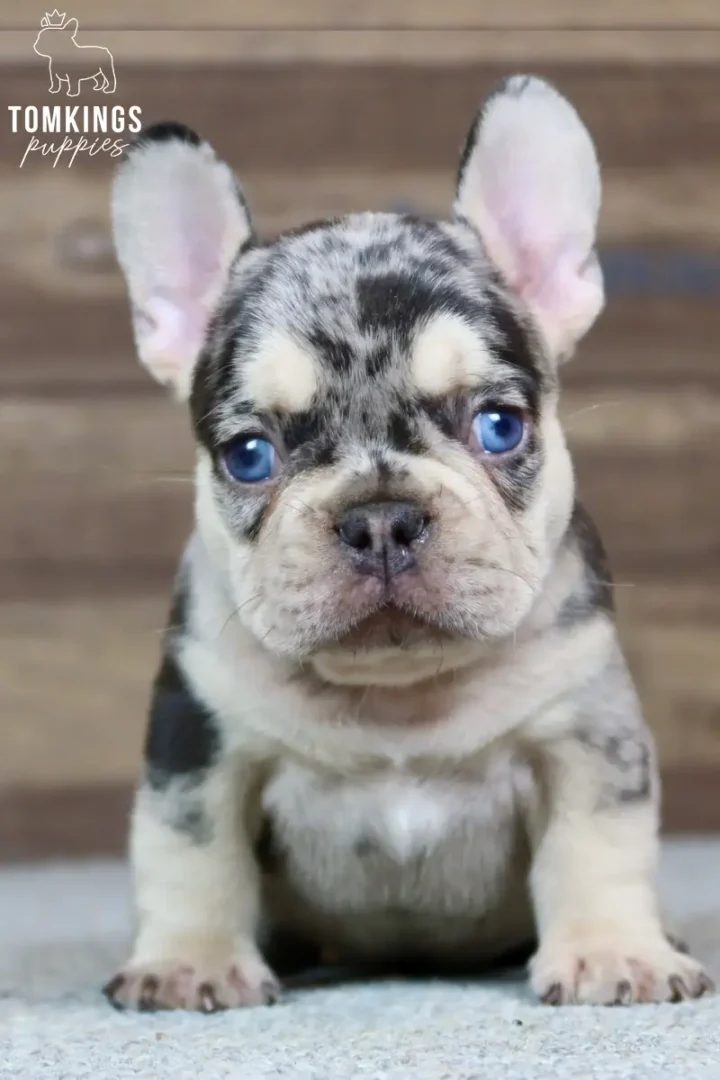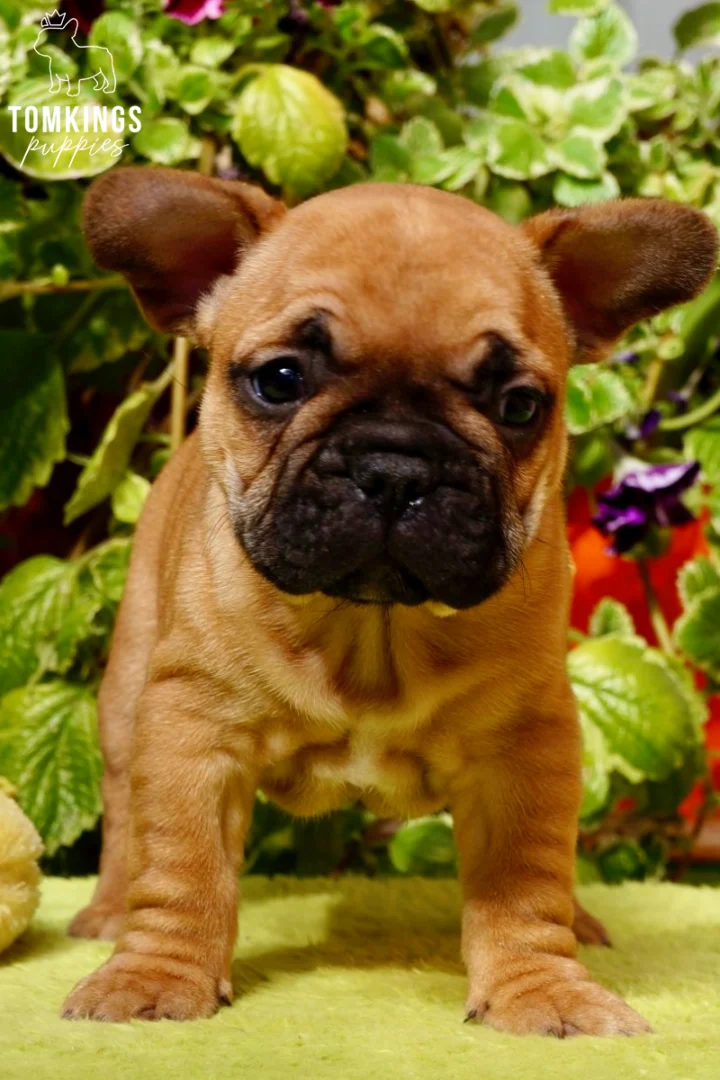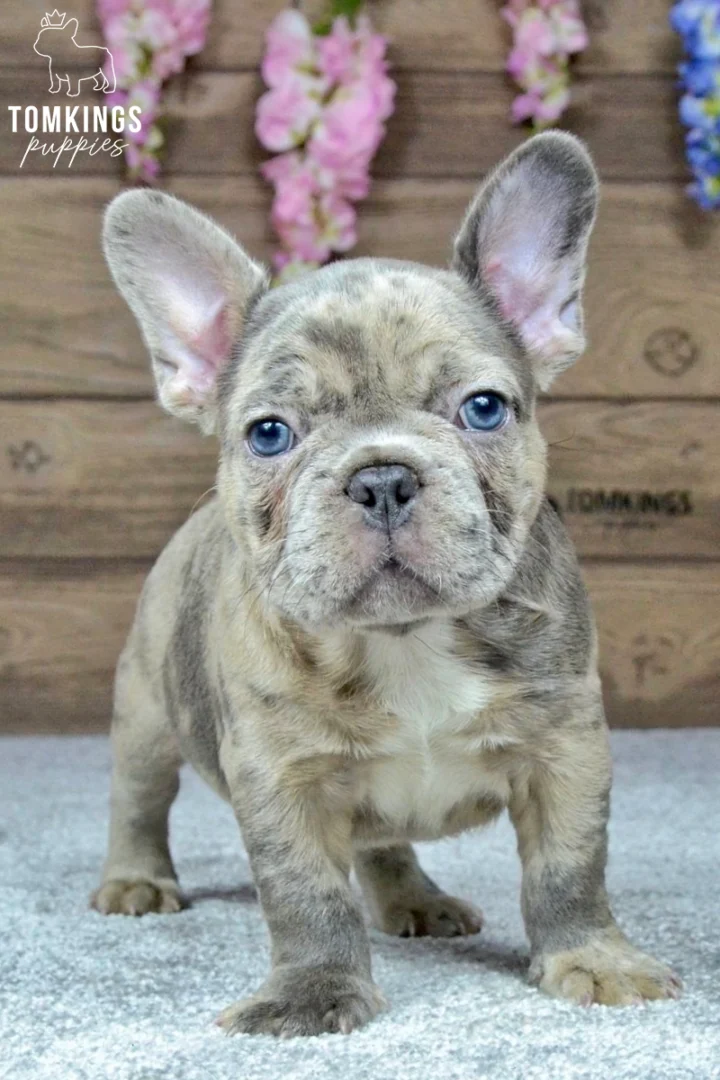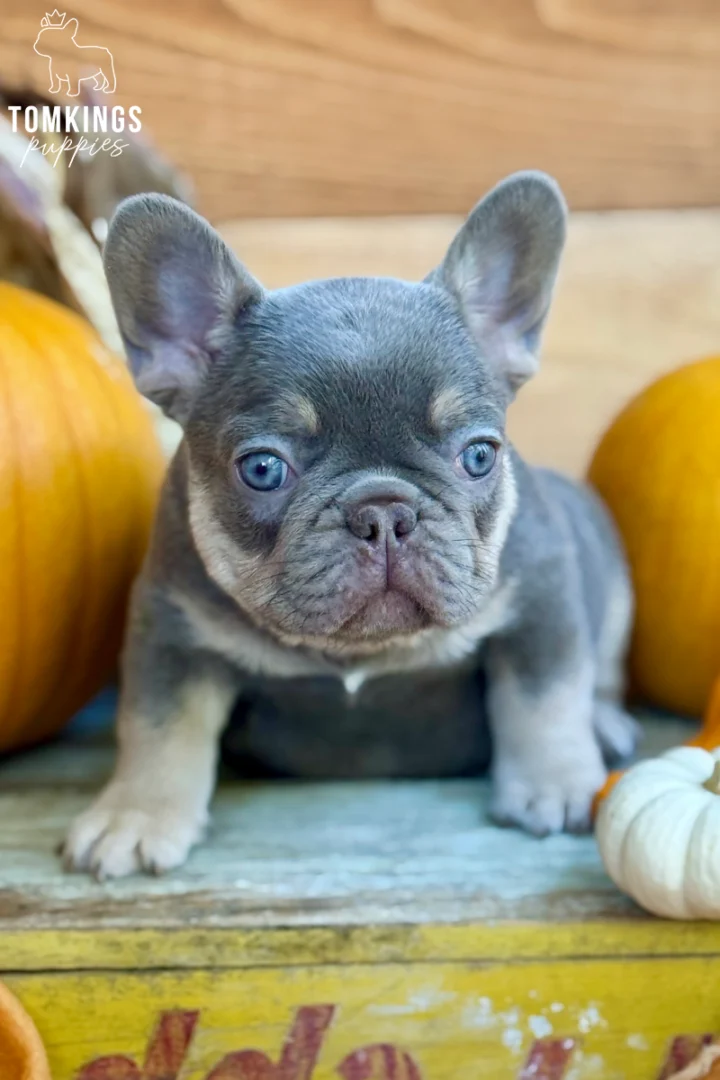
If you’ve been looking into French Bulldog colors, chances are you’ve come across two of the most talked-about variations: lilac and blue. Their unique looks, soft coats, and stunning eye colors make them stand out, but what’s the actual difference between them? In this article, we’ll break down the key differences between lilac vs blue French Bulldog varieties. We’ll cover their genetics, appearance, price, and what to know before choosing one. While both are rare and absolutely beautiful, there are a few things that can help you decide which one is right for you.
What Are the Genetic Differences Between Blue and Lilac French Bulldogs?
The difference between blue and lilac French Bulldogs starts at the genetic level. These rare coat colors are the result of specific combinations of recessive color genes passed down from both parents. Let’s take a closer look at how blue and lilac Frenchies differ genetically.
Blue French Bulldogs: Dilution of Black (d/d)
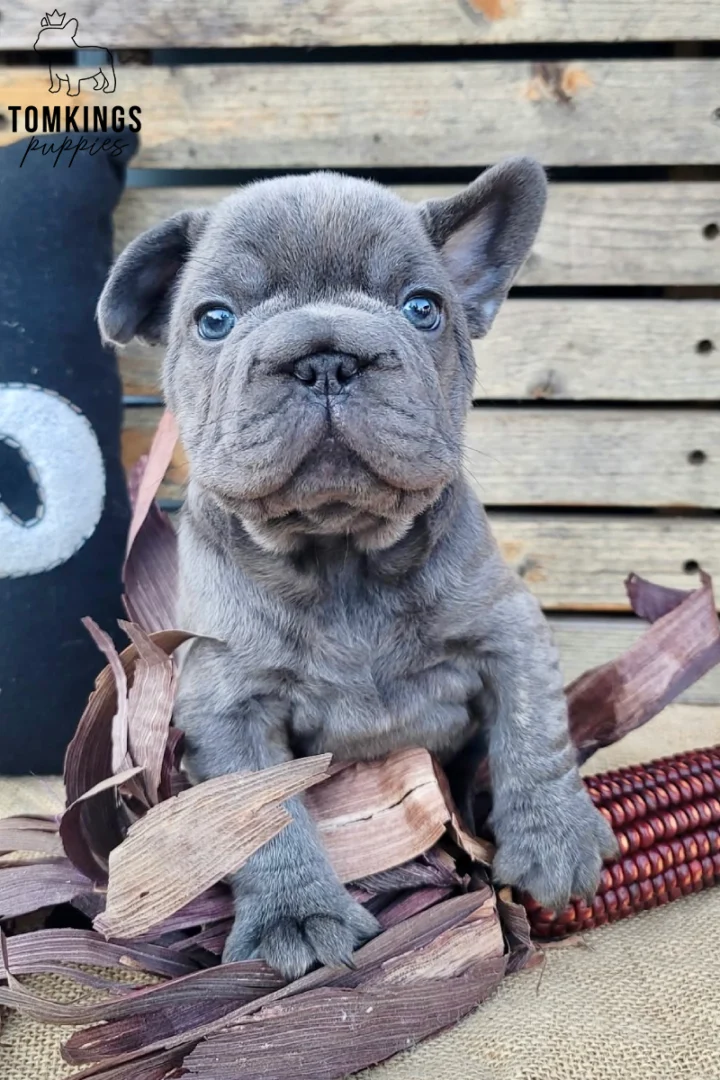
Blue Frenchies get their stunning steel-gray coat from the dilution gene located at the D-locus. When a Frenchie inherits two copies of this gene (noted as d/d), the black pigment in their fur is diluted into a bluish-gray tone. That’s what gives them their signature “blue” color—though in reality, it’s more of a sleek silver or gray shade.
Lilac French Bulldogs: Blue + Cocoa (d/d + co/co)
Lilac French Bulldogs are a step further in rarity. They also carry two copies of the dilution gene (d/d), plus two copies of the cocoa gene (co/co). This double dilution changes their coat into a soft, pale gray with a distinct lilac or purplish hue. In other words, a lilac Frenchie is a blue Frenchie with an extra chocolate twist.

Quick Gene Comparison Table
Health and the Dilution Gene
There’s a common myth that the dilution gene causes health issues like alopecia (hair thinning or loss). While it’s true that poorly bred dogs may show these issues, responsible French Bulldog breeders screen parent dogs carefully. When bred ethically, there’s no proven link between color and increased health risks. Genetics matter, but so does breeding quality.
How Do Blue and Lilac French Bulldogs Look Different?
At first glance, blue and lilac French Bulldogs might seem very similar. But if you know what to look for, there are a few subtle visual details that can help you tell them apart.
Coat Color Differences
- Blue French Bulldogs have a coat that ranges from deep gray to silver. It’s often described as “steel” or “slate” colored. The shade can vary slightly depending on the lighting and the dog’s age.
- Lilac French Bulldogs have a lighter, cooler-toned coat. It appears pale gray with a hint of brown or even a soft purple tint, especially when seen in natural light. As they age, their coat can become even more washed-out or silvery, which adds to their unique charm.
Nose, Skin, and Eyes
- Blue Frenchies have a dark gray or slate-colored nose, and their skin tends to match the overall cool tone of their coat. Their eyes are usually darker, though some may have lighter shades early in life that deepen as they grow.
- Lilac Frenchies tend to have a light gray or pinkish nose, and their lips and paw pads are also lighter. Their skin is softer in tone, and their eyes are often blue, green, or amber, especially when they’re young.
These small differences can make each dog look totally unique. And of course, coat color aside, both blue and lilac Frenchies share the same irresistible Frenchie charm.
What Should You Know About Breeding Lilac and Blue French Bulldogs Ethically?
If you’re thinking about adding a blue or lilac Frenchie to your family, it’s important to understand what goes on behind the scenes. These stunning coat colors don’t come from luck but require careful, responsible French Bulldog breeding. And not all breeders follow the same standards.
Why Ethical Breeding Matters
Rare-colored French Bulldogs like lilac and blue can only be produced when both parents carry the right combination of genes. Breeding for these colors takes knowledge, experience, and a strong commitment to the dogs’ health, not just their appearance.
Unfortunately, the demand for unique Frenchie colors has attracted irresponsible breeders who focus more on profit than well-being. These “backyard breeders” often skip genetic screening, proper care, or safe conditions, which can result in puppies with serious health issues.
Health Comes First
Some people believe that exotic-colored Frenchies are more prone to health problems because of their color genes, but our experience at TomKings says otherwise. When bred ethically, with health screenings and proper care, blue and lilac French Bulldogs are just as healthy and happy as any standard Frenchie.
Color and AKC Registration
Neither blue nor lilac Frenchies are officially recognized as standard by the AKC or other major kennel clubs, which means you can’t show them in official competitions. However, they can still be registered, and more importantly, they make wonderful pets with unique looks and loving personalities.
How Rare and Expensive Are Lilac and Blue French Bulldogs?
When it comes to Frenchies, coat color plays a big role in how rare and valuable a puppy is. Both blue and lilac French Bulldogs are considered non-standard, exotic colors, which is why they’re not recognized by most kennel clubs—but that doesn’t stop them from being incredibly popular.
Rarity and Price Differences
- Blue French Bulldogs are more common than lilac ones. They only need to inherit two copies of the dilution gene (d/d), which many Frenchies already carry. Because of this, blue Frenchies are slightly easier to breed, and more breeders offer them.
- Lilac French Bulldogs, on the other hand, are much rarer. To produce a lilac Frenchie, both parents must carry not only the dilution gene (d/d) but also two copies of the cocoa gene (co/co). This double requirement makes lilacs significantly harder to breed, which is part of what makes them so special.
Pricing at TomKings
At TomKings, both blue and lilac Frenchies fall into our Unique color category. Prices typically range between $4,450 and $6,290, depending on the puppy’s exact coloring, age, and special traits. Lilacs are usually at the higher end of this range because of their rarity.
Should You Choose a Blue or a Lilac Frenchie? (Key Takeaways)
When it comes to picking between a blue or lilac French Bulldog, both colors are stunning, so in the end the right choice really depends on your style, budget, and what you fall in love with. Here are some key takeaways that will help you make your decision.
- Blue Frenchies have a sleek, steel-gray coat that looks timeless and elegant.
- Lilac Frenchies have a lighter, silvery-purple coat and are rarer and more unique.
- Blue is typically less expensive and easier to find than lilac, which has more complex genetics, making it harder to breed.
- Both colors are equally healthy when bred responsibly.
No matter which color you choose, you’ll be bringing home a smart, loyal, and absolutely adorable companion!
Still unsure which Frenchie is the right one for you? Join our Facebook group TomKings Frenchie Family to connect with over 10,000 Frenchie parents and see real-life examples of both blue and lilac pups.
The article is based on the expert knowledge of the TomKings Puppies team who have been breeding French Bulldogs for 15 years. All the pictures in the post belong to them and their customers, and show puppies from their breed. Check their available French Bulldog puppies, or if you have any questions or comments let us know below the article.