If you’ve ever come home to a chewed-up shoe, shredded pillow, or furniture legs with bite marks, you’re not alone. Many dog parents go through this, especially in the puppy stage. And while it can be frustrating, it’s completely normal. At TomKings, we believe that chewing is not a problem to eliminate, but a behavior to guide in the right direction. In this article, we’ll show you how to stop your French Bulldog from chewing everything, using gentle, proven methods. Whether your Frenchie is a curious pup or a bored adult, you’ll find tips that really work, straight from our 15+ years of experience.
Why Do French Bulldogs Chew on Things?
Before you can address the chewing issue, it’s important to understand why it’s happening. Chewing is a natural behavior for all dogs, not just Frenchies. It can be a sign of growth, curiosity, stress—or simply a way to stay busy. Let’s break down the most common reasons your Frenchie might be chewing everything in sight.
Teething in Puppies (2–6 months)
If your Frenchie is still a puppy, teething is the most likely reason. Between the age of 2 to 6 months, puppies lose their baby teeth and grow their adult ones. This process can be uncomfortable and even painful for them, so they look for anything to chew on to soothe their gums.
During this stage, it’s completely normal for your puppy to chew on shoes, table legs, or whatever they can reach. The good news? This phase doesn’t last forever. With the right chew toys and some puppy-proofing, you can survive teething without sacrificing your furniture. Learn everything you should know about your Frenchie’s teeth.
Boredom or Pent-Up Energy

Frenchies may be small, but they have plenty of energy—and a clever mind that needs stimulation. If your dog isn’t getting enough exercise or mental enrichment, they’ll find their own ways to entertain themselves. Unfortunately, that often means chewing on things they shouldn’t.
Lack of activity is one of the biggest causes of destructive behavior in dogs. Even 10-minute walks aren’t enough. Your Frenchie needs daily playtime, longer walks, and interactive games to stay happy and balanced. Read how much exercise a French Bulldog needs.
Separation Anxiety
French Bulldogs are known as “velcro dogs” for a reason. They love being close to their humans, and some of them struggle with being alone. When they feel anxious or stressed during your absence, they may chew to self-soothe.
If your dog tends to chew things when you’re not home, it could be a sign of separation anxiety. This type of chewing usually targets objects that smell like you—like shoes, clothing, or pillows. Helping your Frenchie feel safe when alone can greatly reduce this behavior.
Stress or Fear-Related Chewing
Chewing can also be a coping mechanism for dogs under stress. Loud noises, changes in routine, travel, or even visits to the vet can trigger anxiety. Some dogs chew as a way to calm themselves down when they’re feeling overwhelmed.
If you notice that your Frenchie’s chewing gets worse during storms, after guests leave, or when their routine is disrupted, stress might be the cause. Creating a calm, safe environment and using positive reinforcement can make a big difference. Read what you can do when your Frenchie gets scared.

What to Do If Your Frenchie Is Chewing on Everything in Sight?
First things first—don’t get angry. We know it’s frustrating when your favorite shoes get destroyed or your sofa has bite marks, but chewing isn’t “bad” behavior. It’s your dog’s way of trying to cope, play, or figure things out. What they need isn’t punishment, but guidance. Here’s how to manage the situation.
Keep Them Active: A Tired Dog Is a Good Dog
This is one of our favorite sayings at TomKings, and for good reason. Most destructive chewing comes from excess energy. If your Frenchie is constantly chewing, chances are they’re not getting enough physical or mental stimulation.
Make sure your pup gets a proper walk—not just a quick potty break. A single 10-minute walk a few times a day won’t cut it. Try extending your walks to 30 minutes, add play sessions like fetch or tug-of-war, and mix in puzzle toys or training games. Tired minds and bodies chew less.
Dog-Proof Your Home to Limit Chewing Risks
Prevention is half the battle. If there are things you absolutely don’t want your Frenchie to chew on, make them inaccessible. Shoes, chargers, TV remotes, kids’ toys—put them away or out of reach.
If your Frenchie has access to a specific room where chewing tends to happen, consider closing doors or using baby gates to limit their space when you’re not around. Creating a safe zone filled with chew-approved toys can go a long way.
Offer Safe and Engaging Chew-Friendly Alternatives
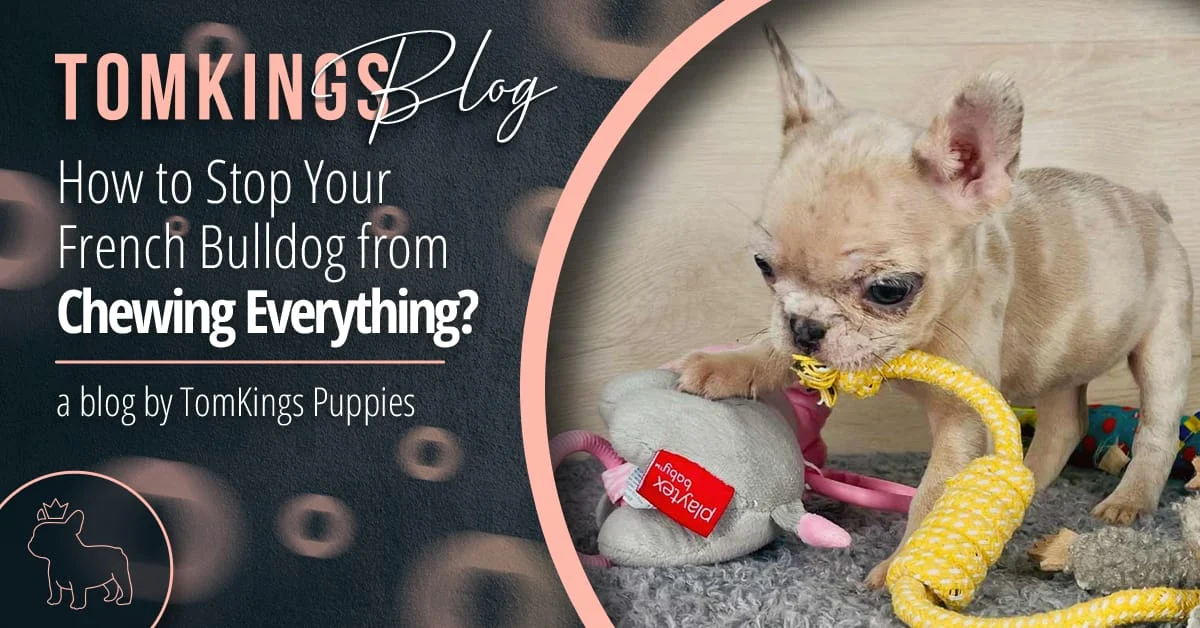
Dogs need to chew—it’s as simple as that. So the best way to stop unwanted chewing is to give your Frenchie something they can chew on. Look for durable, high-quality chew toys that match your dog’s size and chewing style. Rotate them regularly so your pup doesn’t get bored. You can also try natural chew options like beef tendon, rabbit ears, or even raw carrots (yes, really!).
Treat-dispensing toys or food puzzles are also great for keeping your Frenchie busy while rewarding them for chewing the right things.
What Are the Best Training Techniques to Stop Inappropriate Chewing?
Stopping your Frenchie from chewing everything doesn’t mean stopping them from chewing altogether. The goal is to teach them what’s okay to chew and gently steer them away from what’s not. Here’s how to do it the right way.
Avoid Punishment and Focus on Gentle Correction
Yelling, scolding, or showing anger won’t help. In fact, it can make things worse. Your dog might start chewing in secret or become anxious, which often leads to even more unwanted behavior.
Instead of punishment, focus on creating positive associations with good chewing habits. Your Frenchie wants to please you—they just need to understand what you expect.
Use Positive Reinforcement to Encourage Good Habits
Every time your dog chooses the right thing to chew, let them know! A cheerful “Good job!” or a small treat can work wonders. The more often they’re rewarded for chewing a toy instead of your slipper, the quicker they’ll learn.
Consistency is key. Keep a few treats nearby during the early training phase so you’re always ready to reinforce good choices.
Apply the Trade-for-Treat Method When Chewing Happens
If you catch your Frenchie in the act of chewing something off-limits, don’t panic. Calmly offer them a chew toy or treat in exchange. As soon as they drop the forbidden item and go for the toy, praise them warmly.

This not only stops the behavior in the moment, but teaches them that chewidng their toy gets them attention and rewards—way better than getting scolded for chewing your couch. With time, your Frenchie will naturally gravitate toward the things they’re allowed to chew.
Key Takeaways
- Chewing is completely normal for dogs—especially during teething, boredom, or stress.
- The key is not to stop the chewing, but to redirect it toward safe, dog-approved options.
- Keep your Frenchie active, mentally engaged, and surrounded by chew-friendly toys.
- Avoid punishment. Use positive reinforcement and trade-for-treat techniques to build good habits.
- Puppy-proof your home and be consistent. With time and patience, your Frenchie will learn what’s off-limits.
If you’re ever unsure about your Frenchie’s chewing habits, don’t hesitate to reach out—we’re always happy to help. Want more helpful tips and support from fellow Frenchie parents?
Join our Facebook group, TomKings Frenchie Family, where over 10,000 members share their stories, advice, and love for French Bulldogs.
The article is based on the expert knowledge of the TomKings Puppies team who have been breeding French Bulldogs for 15 years on their farm. All the pictures in the post belong to them and their customers, and show puppies from their breed. Check their available French Bulldog puppies, or if you have any questions or comments let us know below the article.