Thinking about getting a dog but not sure what size fits your lifestyle best? You’re not alone. The debate of big dog vs small dog has been around forever, and for good reason. A small dog breed can be the perfect lap companion in a city apartment, while a big dog might be your dream hiking buddy on the weekends. But there’s a lot more to consider than just size.
In this article, we’ll compare big dogs and small dogs in terms of behavior, health, training, lifestyle fit, and more. To keep things simple, we’ll define small dogs as those under 20 kilograms (about 44 pounds), and big dogs as those over that weight. Of course, every dog is unique, but if you’re trying to figure out which size category suits your life best, we’ve got you covered.
How Do Training and Behavior Differ Between Big and Small Dogs?
One of the biggest surprises for many dog owners is that larger dogs are often easier to train than smaller ones. While it may seem like the opposite should be true, big dogs tend to be calmer, more focused, and more eager to follow directions. Many of the world’s top working breeds, like Labradors, Golden Retrievers, and German Shepherds are known for their trainability and steady temperament.
Smaller dogs, by contrast, can be more energetic and excitable. They often bark more and may be quicker to react to new people, noises, or changes in routine. This doesn’t mean they’re harder to handle by nature. In many cases, it’s because they’re “babied” instead of trained—picked up instead of being taught to walk nicely, or excused for barking and ignoring commands. Over time, this can lead to what trainers call “small dog syndrome,” where the dog feels like it runs the show.
The truth is, both small and big dogs can be well-behaved with proper training. The key is consistency and treating the dog according to its needs, not its size.

Things to keep in mind:
- Big dogs often thrive with structured training routines and firm guidance.
- Small dogs need the same rules and boundaries, even if they seem more fragile.
- Owner behavior plays a big role in how a dog acts, regardless of size.
Do Big or Small Dogs Have Better Intelligence and Trainability?
When people talk about “smart” dogs, they usually mean breeds that are quick to learn commands or solve problems. In that sense, larger breeds often have the edge. Many were bred for working roles like guarding, herding, or hunting, which required them to process information fast and follow complex instructions.
Breeds like Border Collies and German Shepherds are often praised for their sharp minds and obedience. They usually do well in cognitive tests, have excellent memory, and pick up new tricks quickly. Their size also allows for greater physical control, which can help with training.
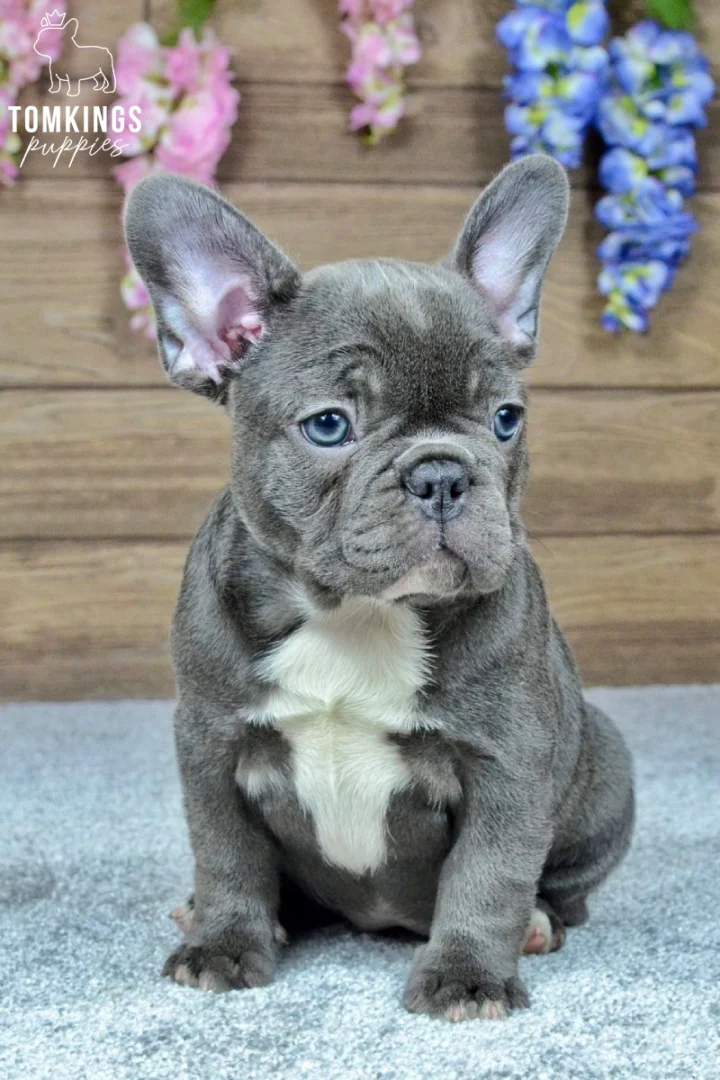
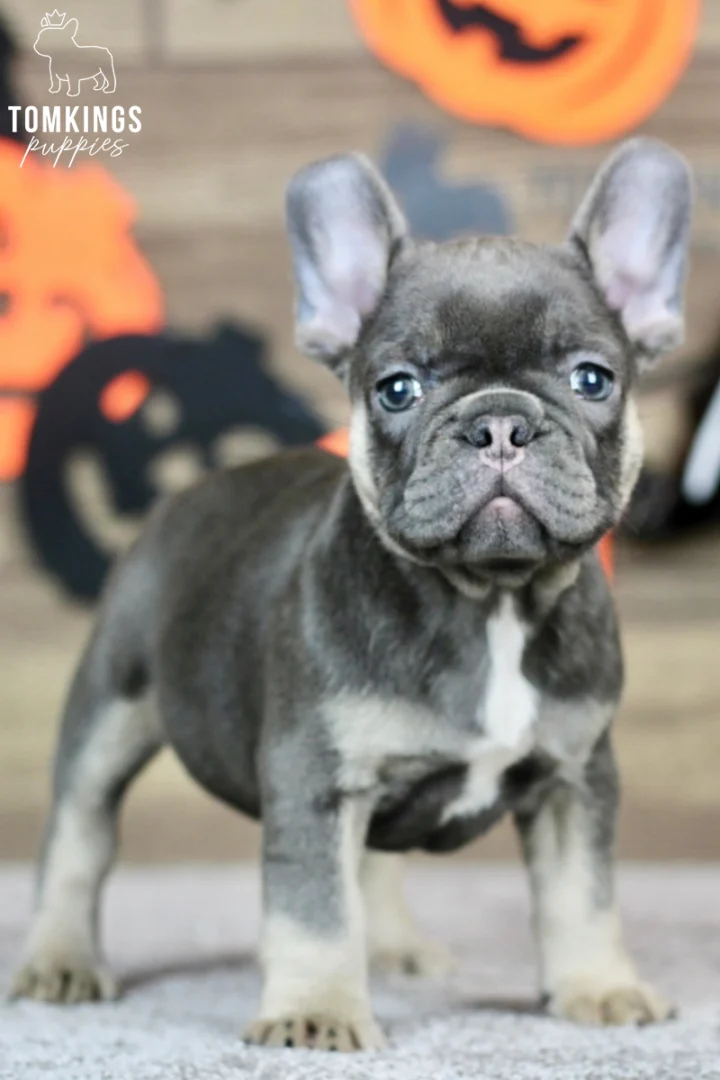
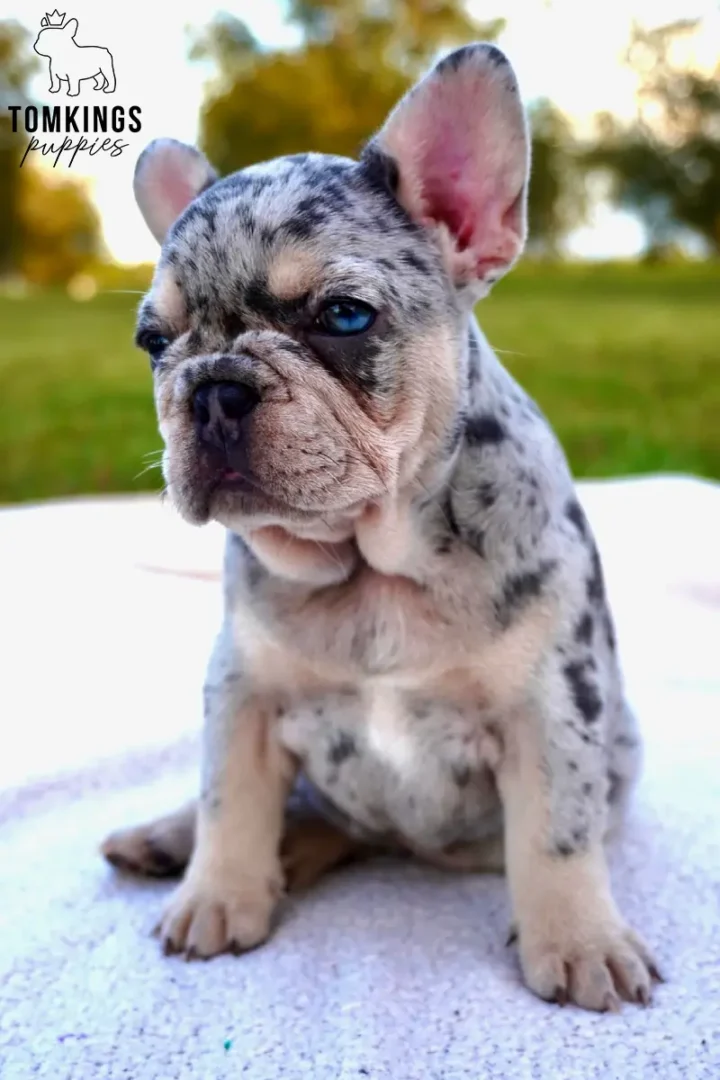
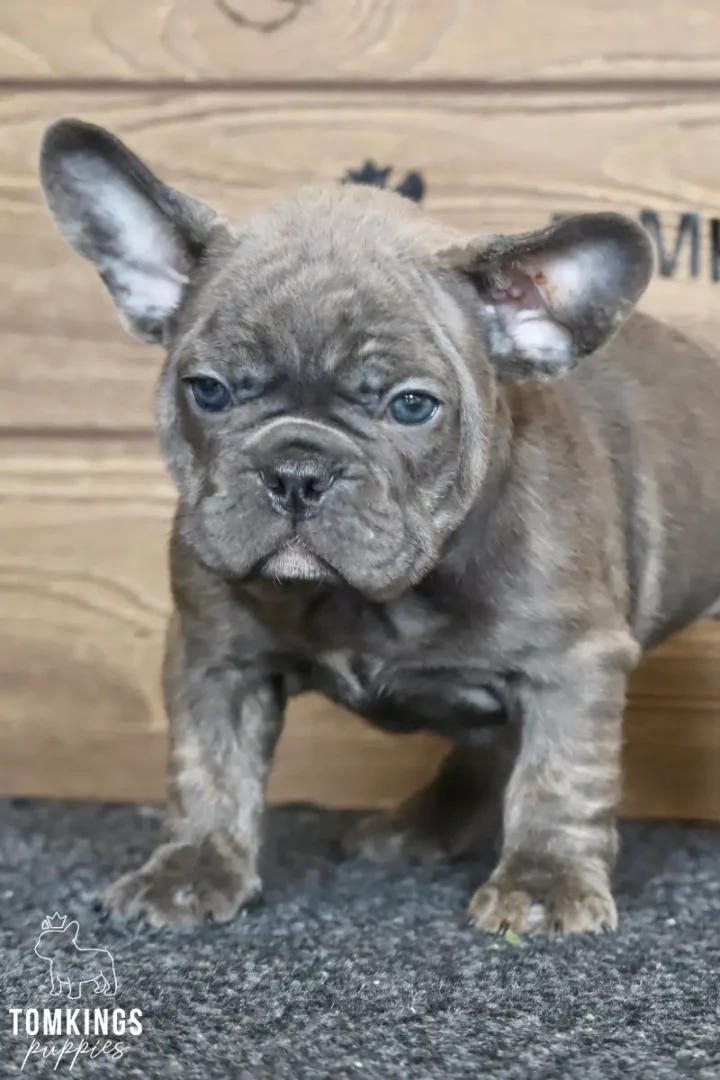
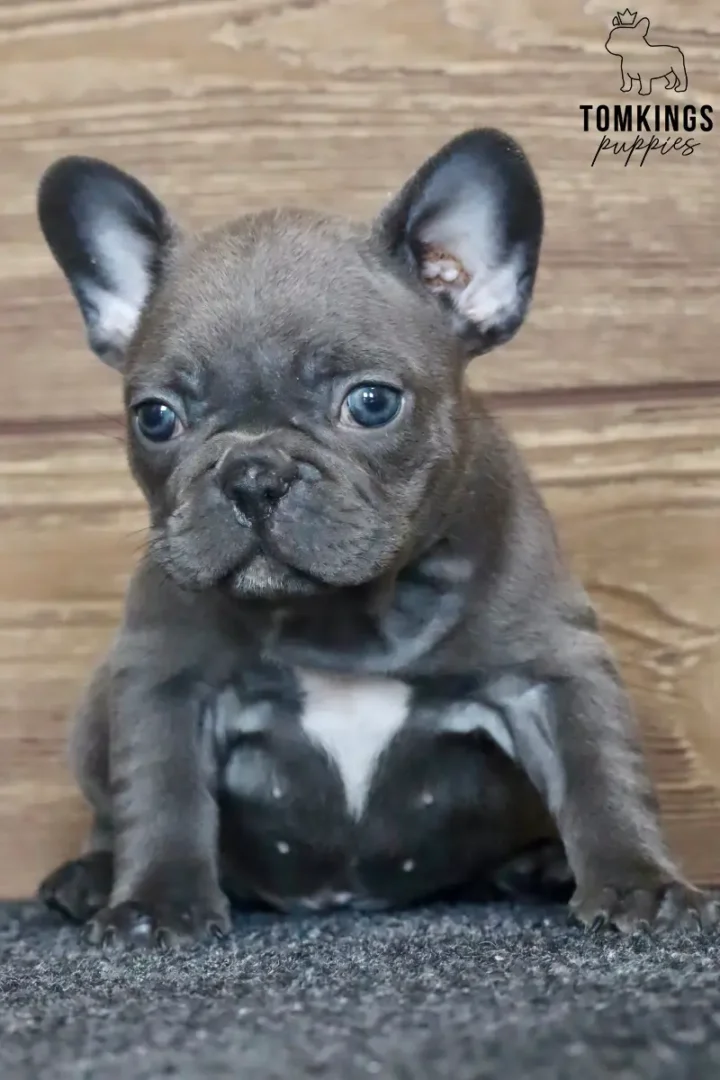
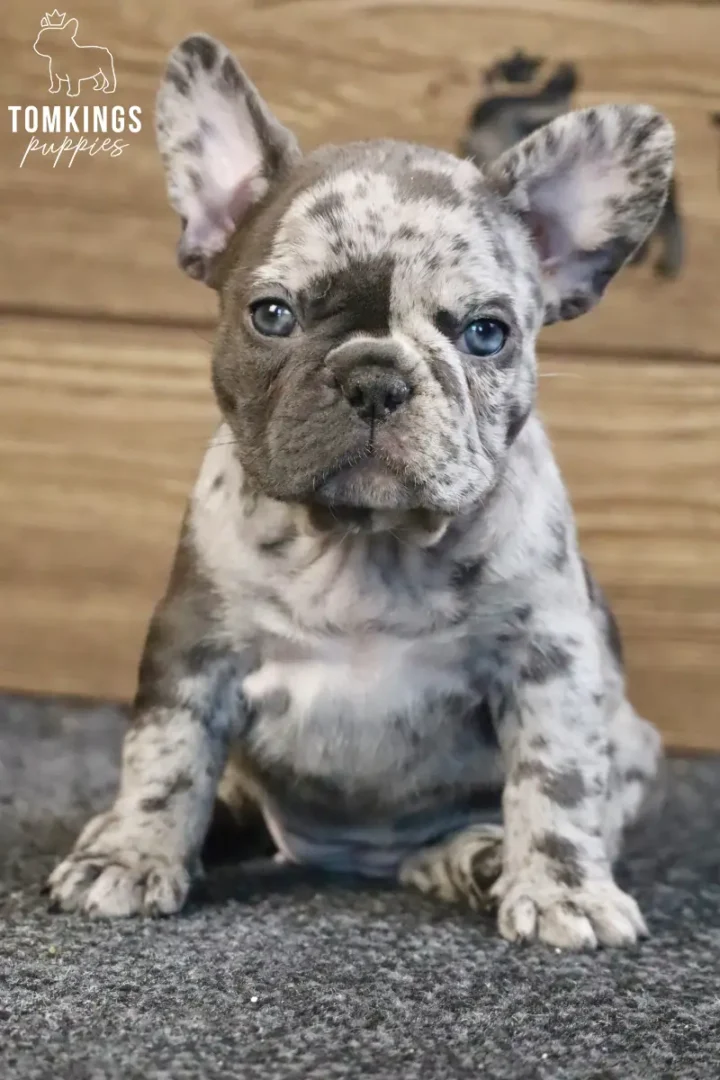
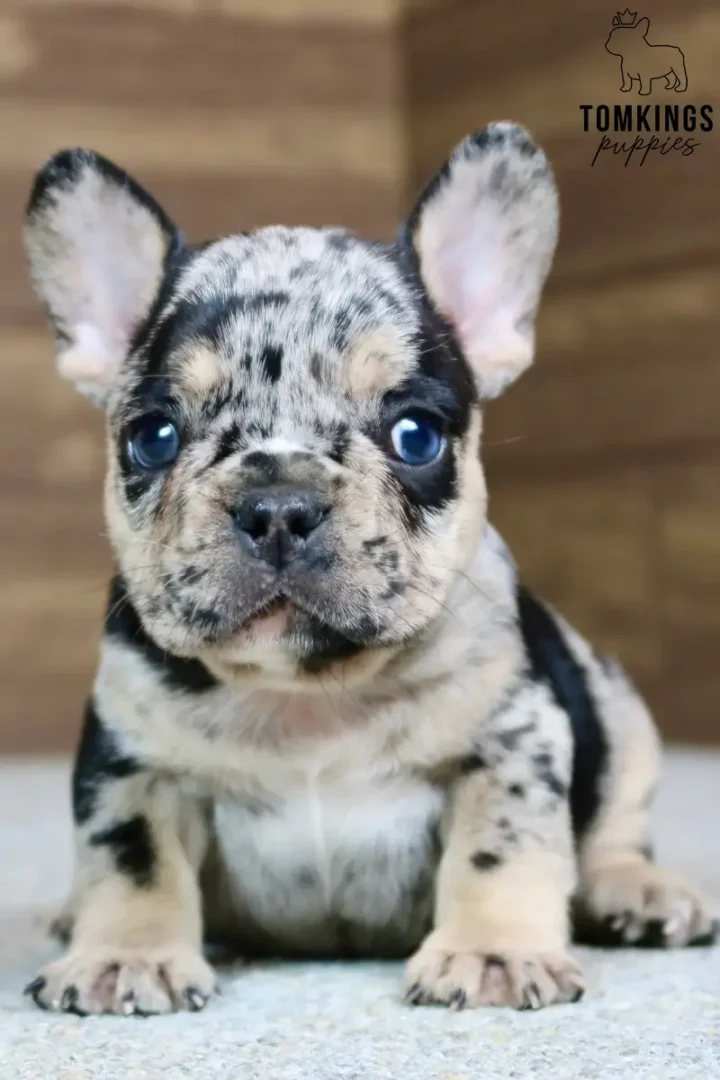
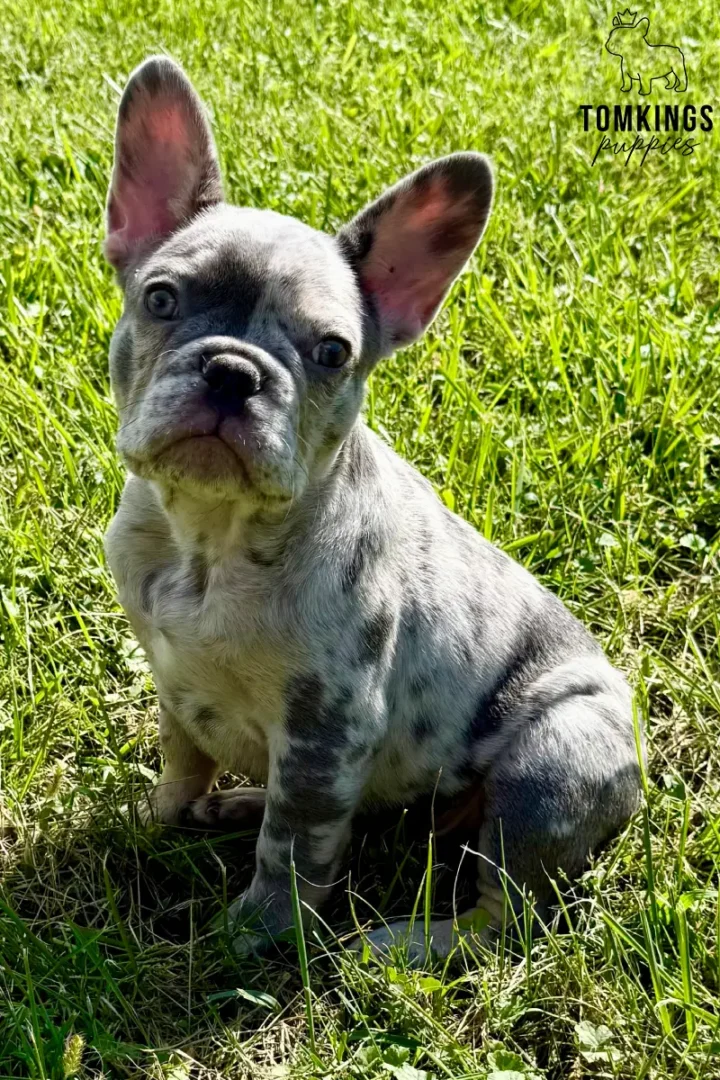
But that doesn’t mean small dogs can’t be just as clever. Take French Bulldogs, for example. While they may not be as fast in formal obedience tasks, they’re incredibly attuned to human emotions. Their emotional intelligence is off the charts—they quickly pick up on their owner’s tone, mood, and body language. If there’s a treat or a bit of affection involved, most Frenchies will surprise you with how well they learn and follow commands.
Papillons and Yorkshire Terriers are also proof that small doesn’t mean simple. With patience and the right motivation, many small dogs can learn just as much as their larger peers.
Things to keep in mind:
- Larger breeds often excel at working-style intelligence and formal obedience.
- Small breeds like French Bulldogs may thrive more in emotional attunement and reward-based training.
- Individual personality, early socialization, and consistent training matter more than size alone.

How Does Dog Size Affect Your Lifestyle and Living Environment?
One of the biggest differences between big and small dogs is how they fit into your everyday life. Your living space, schedule, and activity level all play a role in finding the right match.
Small dogs are ideal for apartment living or homes with limited space. Breeds like French Bulldogs, Chihuahuas, and Yorkies don’t need much room to feel comfortable. They’re easy to carry, quick to settle into new places, and more likely to be accepted in rentals, hotels, or public transport. Many owners also find it easier to travel with them, whether that means car rides or flying under the seat in the cabin.
Big dogs, on the other hand, usually need more space and a more active lifestyle. They thrive in houses with backyards or near open areas where they can run, sniff, and stretch out. Breeds like Labradors or Golden Retrievers are great companions for people who enjoy hiking, jogging, or spending time outdoors. Without regular exercise, they can become bored or restless.
That said, size alone doesn’t determine a dog’s energy level. A tiny Jack Russell can have more energy than a sleepy Great Dane. It’s always important to look at the individual dog and the breed’s temperament too.
Things to consider:
- Smaller dogs tend to adapt better to city life and tight spaces.
- Larger dogs need more room and physical activity to stay healthy and happy.
- Regardless of size, all dogs need mental stimulation, structure, and affection to thrive.
How Do Big and Small Dogs Compare in Terms of Safety and Social Behavior?
When it comes to interacting with people and other animals, both big and small dogs come with their own challenges and advantages.
Large dogs often have a calm and steady temperament. Many are gentle giants, especially around children. Breeds like Golden Retrievers or Bernese Mountain Dogs are known for their patience and tolerance, making them reliable family pets. Their size can be a plus in terms of security too—they tend to deter intruders just by being there, even if they’re not aggressive.

However, their strength means they need to be well-trained. A large dog that pulls on the leash or jumps up in excitement can unintentionally knock over a child or adult. Socialization and consistent training from a young age are key.
Small dogs are often more reactive. They might bark more, act territorial, or get overwhelmed in busy social settings. Their size makes them vulnerable—one rough interaction with a bigger dog or a careless human step can cause injury. On the flip side, their alert nature means they’re quick to let you know if something’s off, which can make them feel like little watchdogs. Also, with proper early socialization they become wonderful family dogs. Take Frenchies, for example, who simply adore kids!
Things to consider:
- Big dogs need strong, reliable training to stay safe around others.
- Small dogs need protection from physical risks and help managing their big emotions.
- Proper socialization is essential for both, starting from puppyhood.
How Do Lifespan and Health Vary Between Big and Small Dogs?
One of the most striking differences between large and small dogs is how long they typically live, and what health issues they’re prone to.
Small dogs generally live longer. Breeds under 20 kg often reach 12 to 15 years, and some even pass 16 with proper care. Larger breeds, especially those over 30 kg, have shorter lifespans, usually around 8 to 10 years. Giant breeds like Great Danes sometimes live only 6 to 8 years.
This difference comes down to biology. Larger dogs age faster, and their organs and joints carry more weight, which can shorten their lifespan. In contrast, small dogs stay physically “younger” for longer.
When it comes to health, both groups have their own challenges:
- Small breeds are prone to tracheal collapse, patellar luxation (kneecap dislocation), hypoglycemia, and dental issues. Their smaller mouths often lead to overcrowded teeth and tartar buildup, so regular dental care is essential.
- Large breeds commonly face joint problems like hip dysplasia and arthritis. They also have higher risks for bloat (a dangerous stomach condition), ligament injuries, and hypothyroidism.
Key points:
- Small dogs tend to outlive larger ones, but both need preventative vet care.
- Each size group has its own health risks—know them before choosing.
- A healthy lifestyle, regular checkups, and good genetics make a huge difference for any breed.
How Does Dog Size Affect Travel and Everyday Mobility?
When it comes to daily life, size can make a big difference, especially if you travel a lot or live in a smaller space.
Small dogs are generally much easier to bring along. They fit comfortably in carriers, can ride in-cabin on most airlines, and are welcomed in far more rental properties and hotels. If you need to pick them up—into the car, over a puddle, onto the vet’s table—it’s quick and simple. They’re also easier to carry in emergencies or if they’re injured or tired during a trip.
Large dogs, on the other hand, require more planning. Their crates take up more space, most airlines require them to fly in cargo, and some rentals or public spaces may have weight or breed restrictions. Lifting them is a challenge, and transport can become expensive and complicated, especially if you have to fly or travel frequently.
That said, if you’re someone who sticks to road trips, has a larger vehicle, or mostly stays local, big dogs can still be wonderful companions for adventures. They often enjoy car rides, hikes, and exploring just as much as (if not more than) smaller dogs.
Things to consider:
- Small dogs are easier to move, lift, and take places—great for travel lovers.
- Large dogs may be better suited for owners with larger cars, yards, and a more stay-at-home lifestyle.
- Think about your daily routine and long-term plans before choosing based on size.
Which Dog Size Is Right for You—Big or Small?
As you’ve probably seen, there’s no one-size-fits-all answer. Both big and small dogs have incredible qualities, and each comes with its own set of pros and cons. What matters most is how well the dog fits your lifestyle, personality, and long-term plans. Here’s a quick breakdown to help you decide!
Choose a small dog if you:
- Live in an apartment or smaller home
- Travel often or want a dog that’s easy to carry
- Prefer lower food and vet costs
- Are looking for a lap-sized companion
- Want a pup with a longer average lifespan
Choose a big dog if you:
- Have a house with a yard or easy access to outdoor space
- Live an active lifestyle and enjoy walks, hikes, or outdoor time
- Prefer a dog that’s easier to train and emotionally steady
- Want a loyal, protective family dog
- Don’t mind higher food and care costs
Keep in mind that temperament, training, and care often matter more than size. A well-socialized small dog can be just as calm and confident as a big one. And a large dog raised with care can be the gentlest, most loyal companion you’ll ever meet.
In the end, whether big or small, the right dog will be the one that feels close to your heart. If that dog is a French Bulldog, we invite you to join our TomKings Frenchie Family Facebook group to connect with real Frenchie parents, read their stories, and ask any questions you might have.
The article is based on the expert knowledge of the TomKings Puppies team who have been breeding French Bulldogs for 15 years on their farms. All the pictures in the post belong to them and their customers, and show puppies from their breed. Check their available French Bulldog puppies, or if you have any questions or comments let us know below the article.