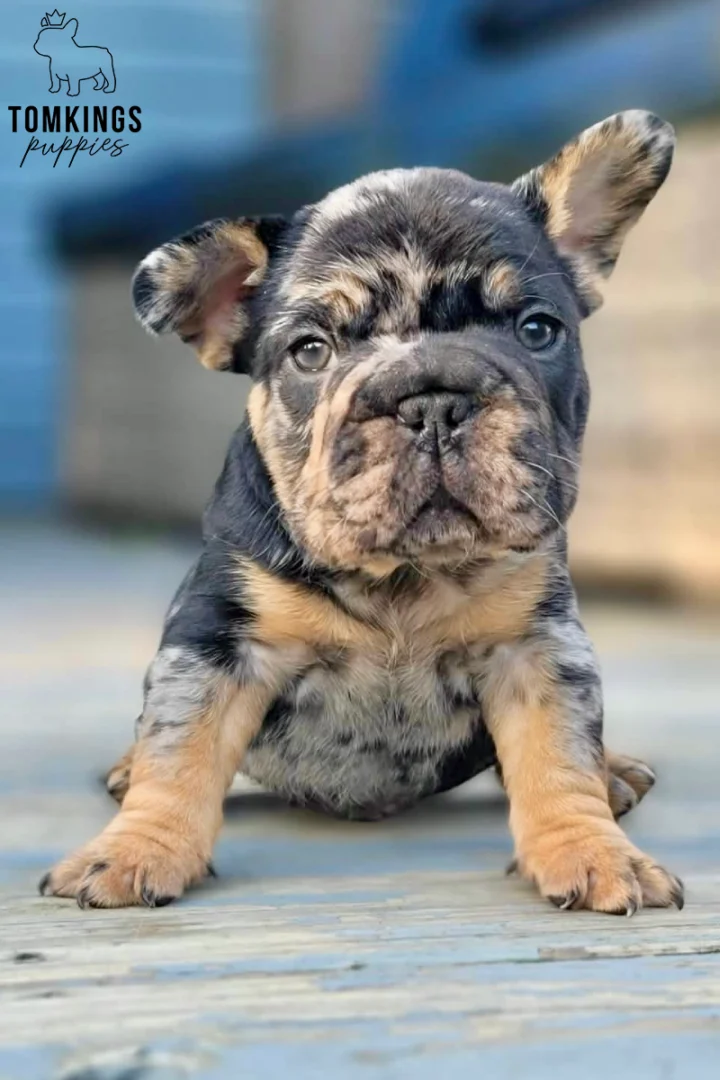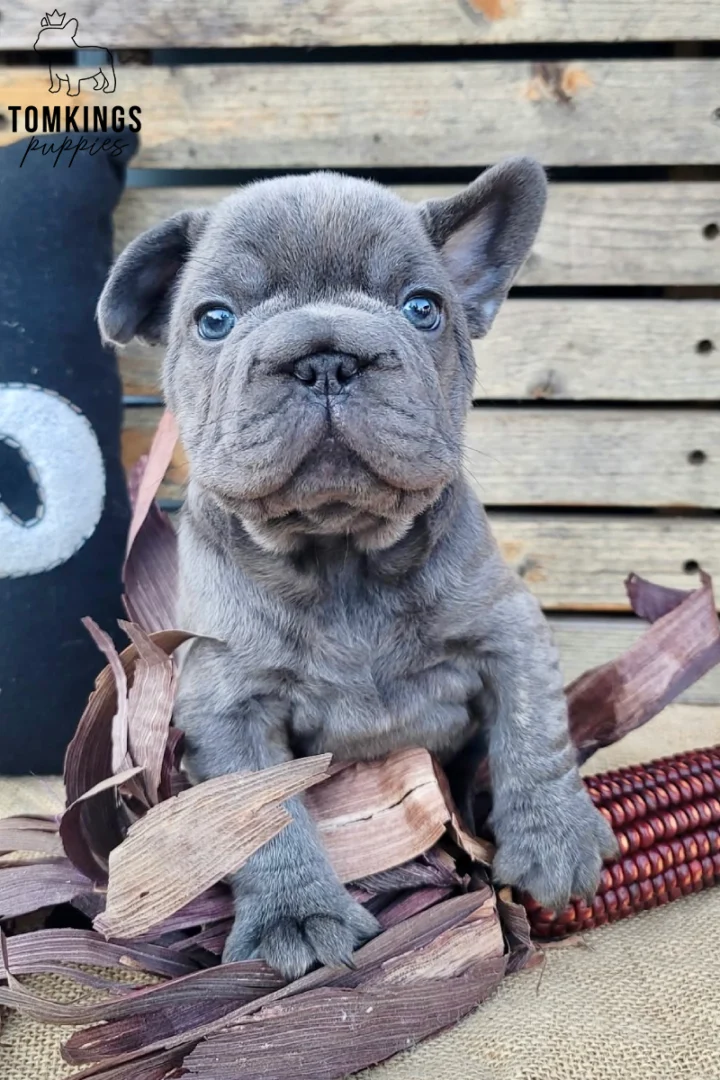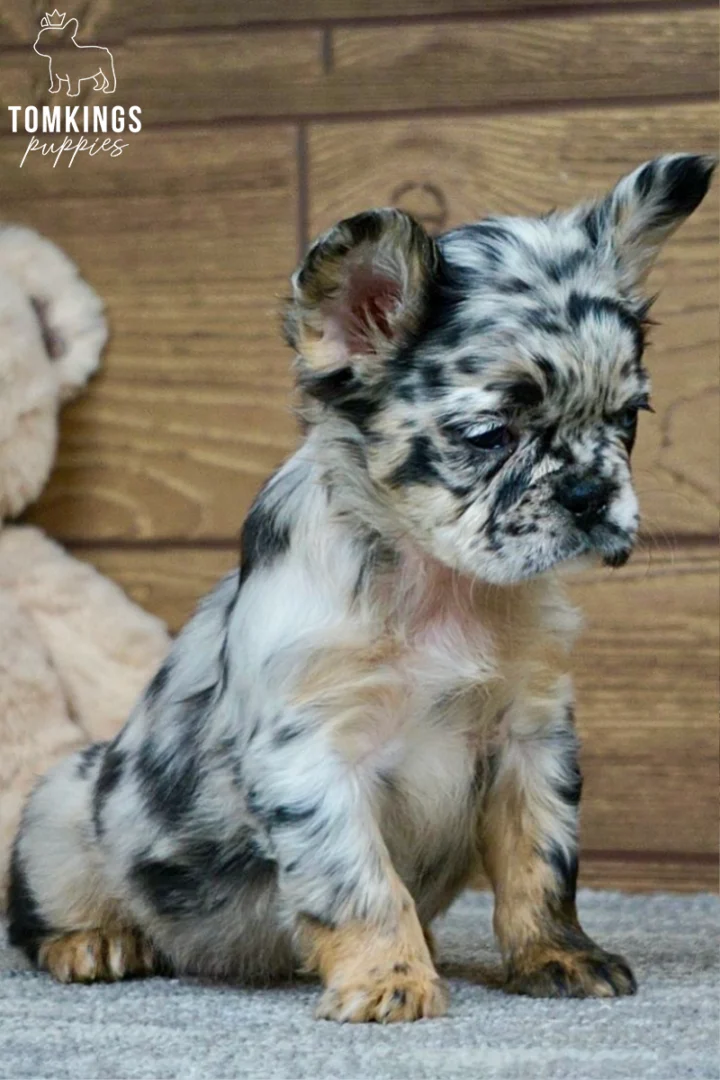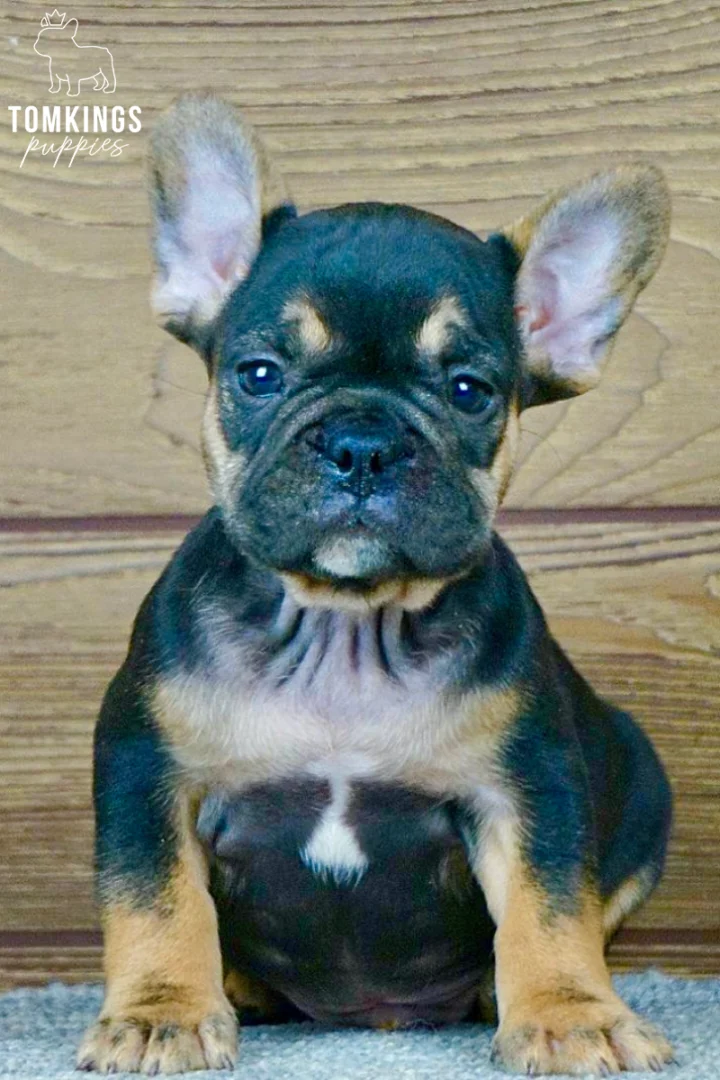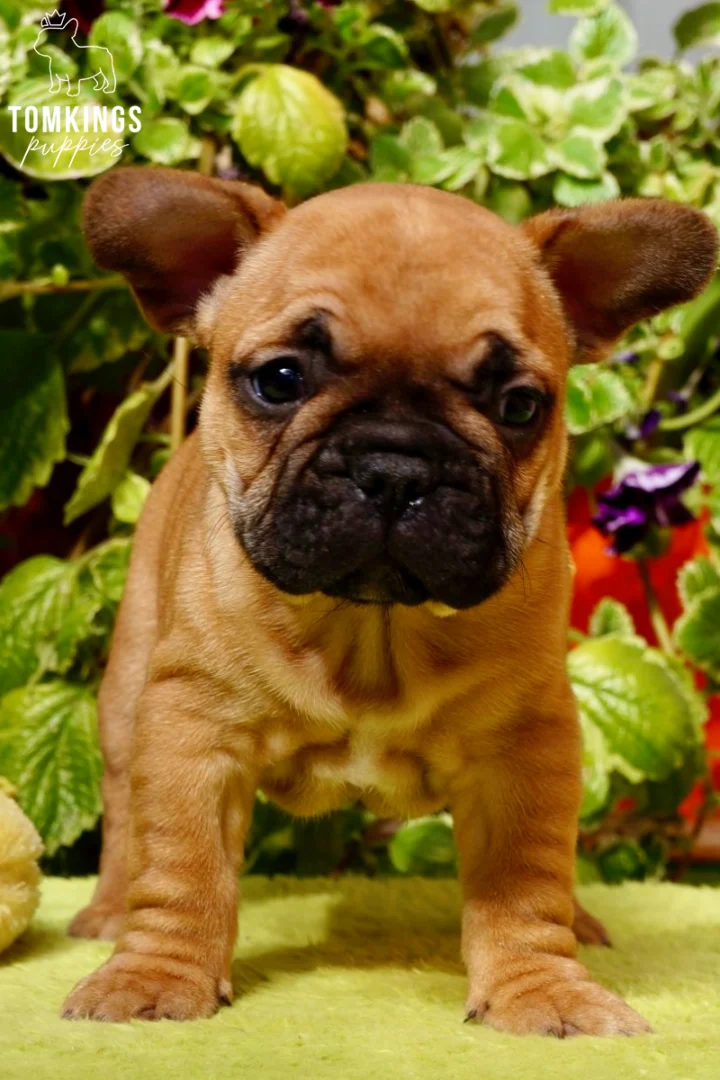
In this article, we invite you to embark on a vibrant journey into the world of exotic French Bulldogs. While we’ve already explored the distinctions between standard and rare French Bulldog colors in a previous post, this time our focus turns to the most unique and mesmerizing shades that define the breed.
This article is about the five most exotic French Bulldog colors: Chocolate, Lilac, Isabella, New Shade Isabella, and Platinum. We’ll explain how their genetics work, why they’re so rare, and what makes them so special among Frenchie lovers. We’ll even debunk myths about health concerns and witness how responsible breeding contributes to their uniqueness.
At TomKings, we believe that exotic French Bulldog colors can be healthy and well-bred when raised responsibly. While rare hues are breathtaking, ethical breeding and sound genetics always come first.
Key Takeaways
- Exotic Frenchie colors (Chocolate, Lilac, Isabella, New Shade, Platinum) are rare because they rely on recessive gene combinations.
- Healthy, stable temperaments come from health-first pairing; color should never trump structure or breathing quality.
- Prices are higher due to scarcity and careful selection; ask for genetic panels and health screenings.
- Fluffy is a coat type, not a color; it needs routine brushing but doesn’t change a Frenchie’s loving personality.
Basic Genetics Behind Exotic Coat Colors
French Bulldogs boast an extensive palette of colors and patterns, which is a result of intricate genetic workings. To understand exotic colors in more depth, let’s study some basic genetics first (don’t worry we’ll keep it short and sweet!).

How do genes control Frenchie coat colors?
Within a Frenchie’s genetic makeup, color traits occupy a specific location on chromosomes known as a locus. These loci serve as compartments, hosting two gene variants called alleles, one inherited from each parent. Each locus is responsible for a different color, and together they make up the final coat color of a French Bulldog.
Every color is represented by a combination of uppercase and lowercase letters, denoting whether a Frenchie carries or exhibits a specific color trait. Uppercase indicates the absence of the trait, while lowercase denotes the presence of the color trait. For example, a solid blue French Bulldog has two copies of the ‘d’ allele in the D-locus. This results in the d/d gene, while puppies with a D/d gene are only carriers of blue.
Understanding recessive and dominant alleles is also key. Recessive alleles require two identical copies from each parent to manifest their color traits visibly (like d/d for blue). More exotic colors such as Lilac, Isabella and Platinum emerge from the combinations of such recessive allele pairs, contributing to their rarity. In contrast, dominant alleles like Brindle and Merle demand only a single gene copy to be present in a Frenchie’s coat.
What are the 5 Most Exotic Frenchie Colors?
1. Chocolate French Bulldog: What makes it one of the rarest exotic colors?

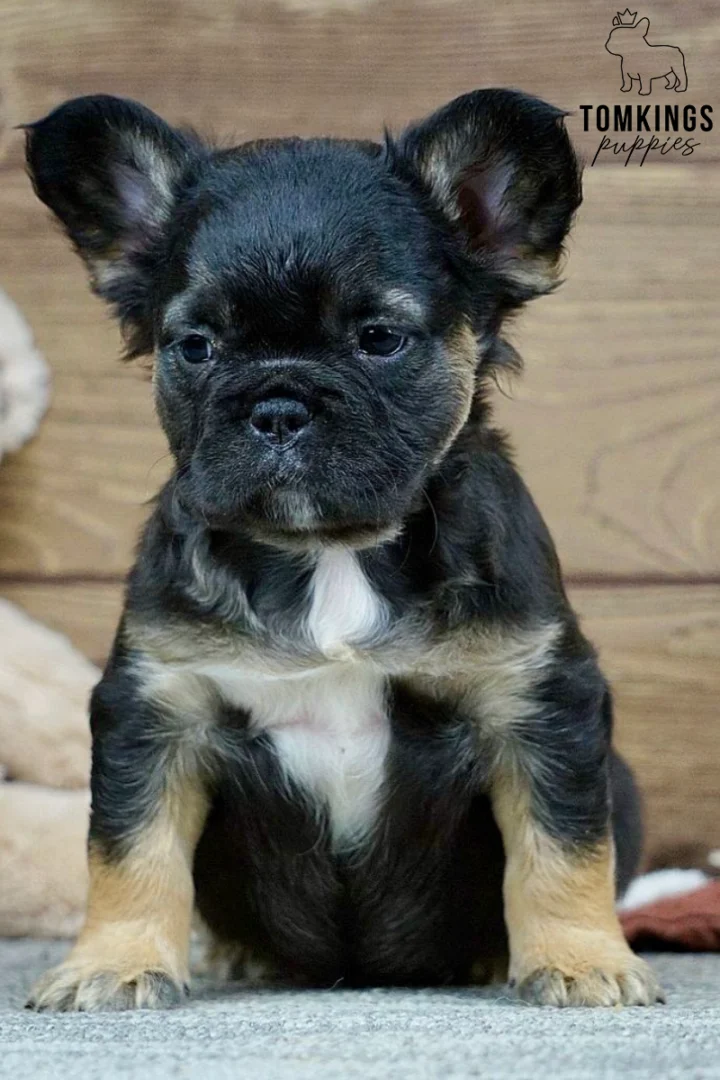
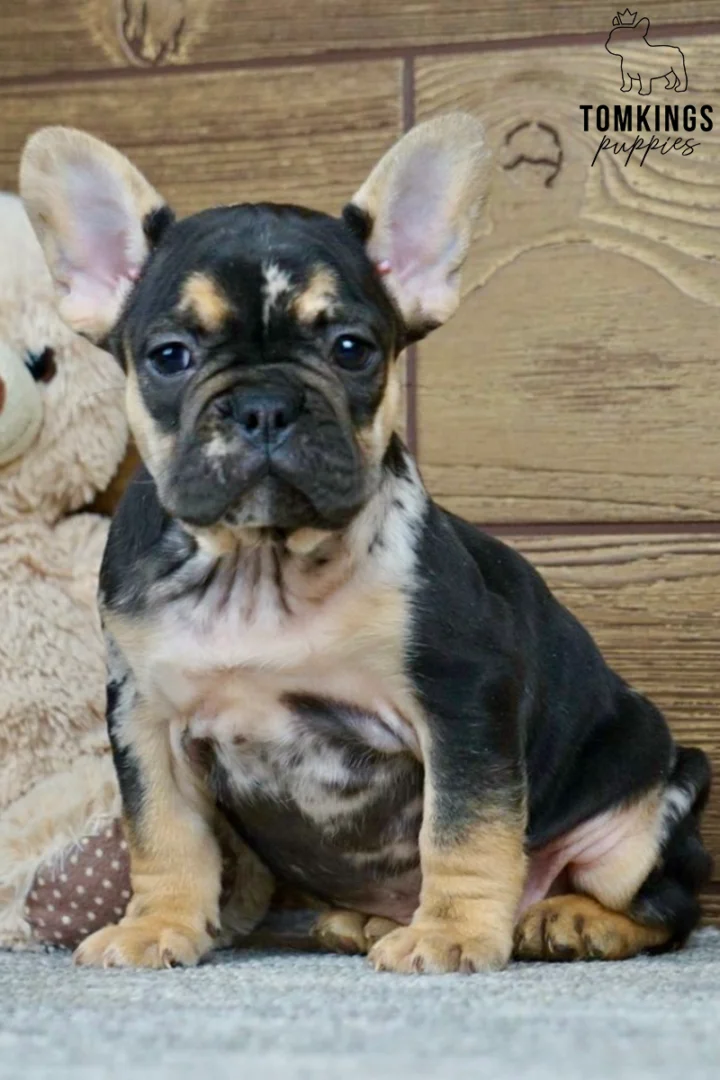
The mesmerizing Chocolate French Bulldog boasts a rich, chocolate brown colored coat. These Frenchies often have light colored eyes like green or even yellow, and they tend to come with a tan or merle pattern. What makes this hue truly exceptional is the presence of the rare chocolate gene, which comes in both testable and non-testable variants.
The non-testable chocolate (co/co) results in a darker color also known as cocoa, and can be detected by the “red eye glow” test using a flashlight. On the other hand, the testable chocolate (b/b) gene is an even rarer variation and results in a stunning light chocolate hue.
Because both chocolate gene types are recessive, producing a true Chocolate Frenchie requires two carefully selected parents. This is why well-bred Chocolate French Bulldogs remain rare and highly valued among Frenchie lovers.
2. Lilac French Bulldog: How do the blue and cocoa genes create the lilac shade?

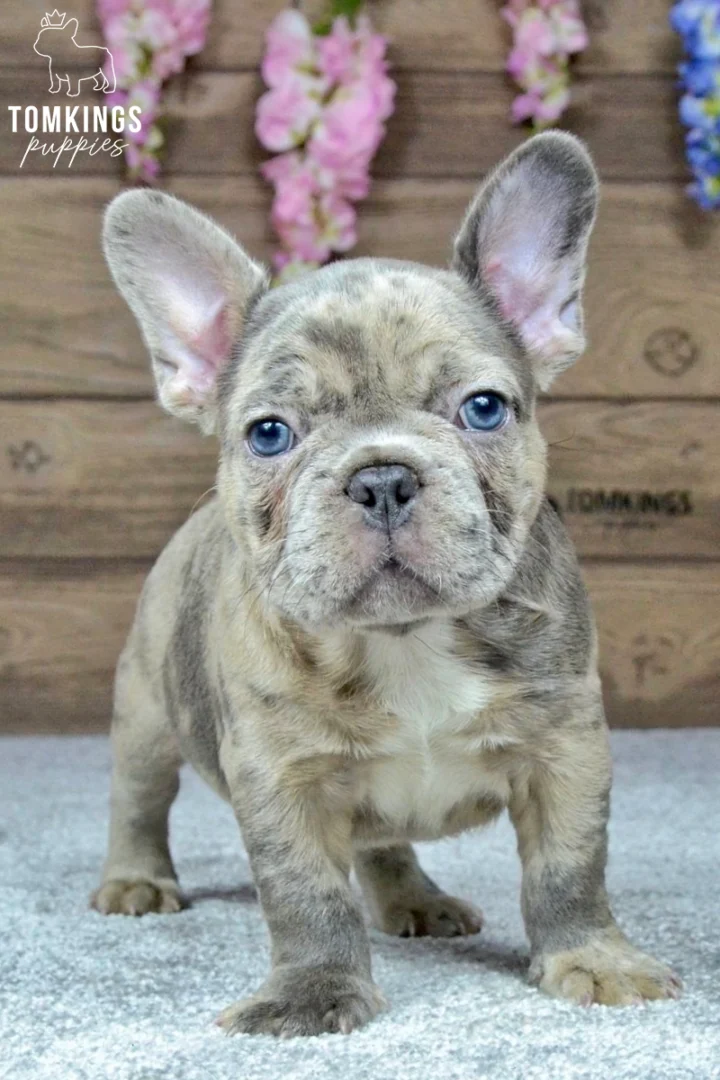
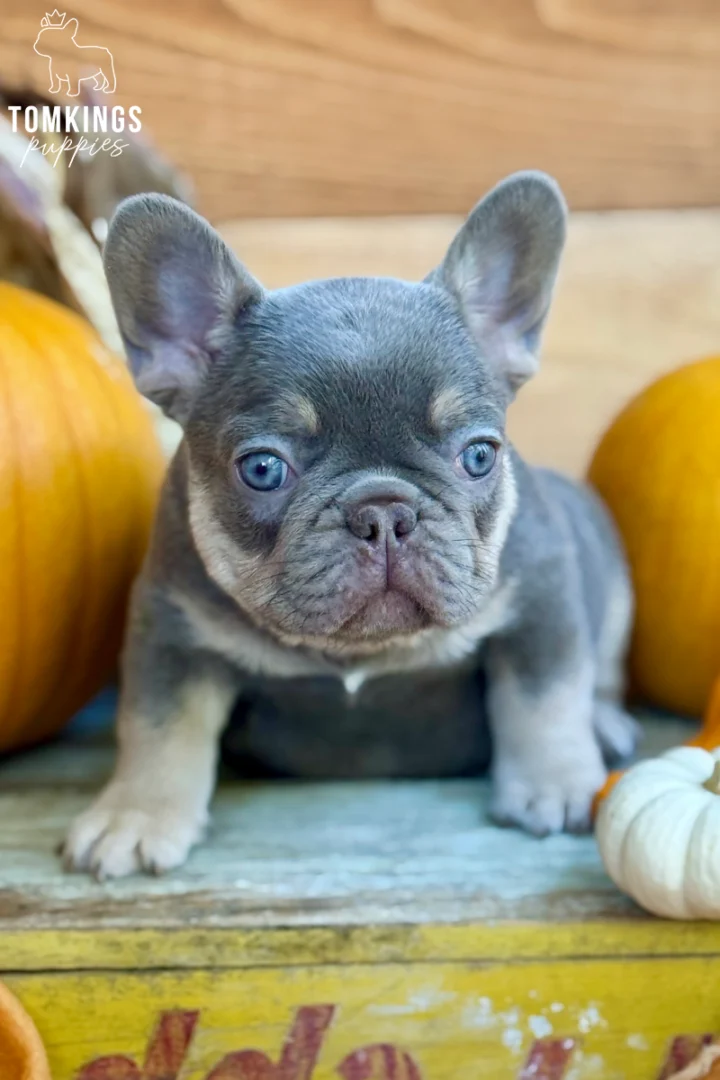
The Lilac French Bulldog exhibits a captivating light gray coat with silver shine. This enchanting color emerges from the combination of the blue (d/d) and non-testable chocolate (co/co) genes, which they need to inherit from both parents. Since lilac Frenchies look very similar to blue pups, breeders often use the “red eye glow” test to distinguish the two.
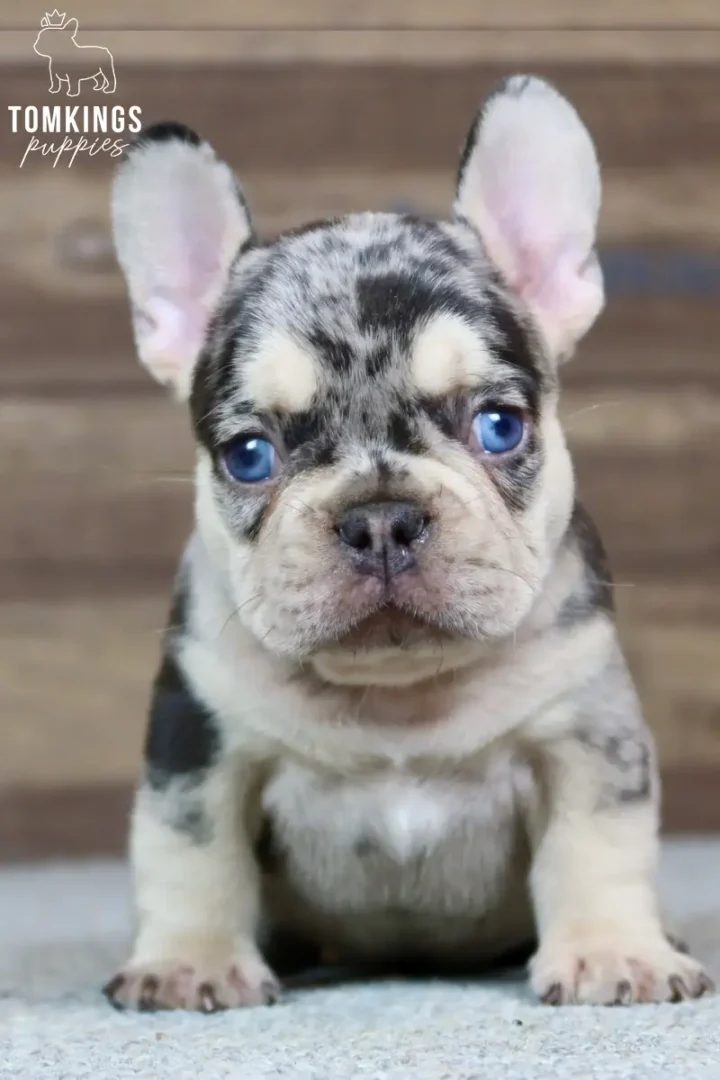
Lilac Frenchies are especially loved for their soft, pastel look, which tends to brighten as they grow. Their cool, silvery tone makes them one of the most eye-catching exotic colors without being too intense. The lilac hue, coupled with beautiful light eyes, makes these Frenchies a sought-after treasure, especially their variations of lilac and tan and lilac merle.
3. Isabella French Bulldog: How is it different from standard lilac?

The Isabella is a rare and distinctive color variety of the French Bulldog breed, showcasing a unique grayish brown coat. Their genetic makeup is similar to that of lilac Frenchies’ but is a rarer combination of the blue (d/d) and testable chocolate (b/b) genes (instead of the non-testable chocolate, co/co).
Often dubbed the “true lilac” or “double dilute,” Isabella Frenchies are a testament to the exquisite genetic combinations that define the breed. True Isabella requires precise pairing, so pups are rarer and typically pricier.
Isabella Frenchies often have a warm, elegant glow that becomes richer in natural light. Owners are usually drawn to this shade because it feels both rare and timeless, a softer version of lilac with its own unmistakable charm.
4. New Shade Isabella French Bulldog: What makes it a “triple dilute” and why is it so rare?

The New Shade Isabella French Bulldog is a relatively new, lighter, goldish-brown variant of the Isabella color. This unique hue is classified as a “triple dilute,” combining testable and non-testable chocolate with the blue gene (dd/bb/coco). The result is a pale, almost ethereal coat color, complemented by mesmerizing green, amber, or blue eyes.
Because New Shade Isabella requires three separate recessive components, most breeders only achieve it after years of selective pairings. This long-term planning is one reason why these puppies appear only in limited, high-quality litters.
5. Platinum French Bulldog: Why is it considered one of the most unique colors?

The Platinum French Bulldog is the epitome of rarity and luxury. This exquisite color results from combining lilac or Isabella with the cream gene (dd/bb/coco/ee).
Platinums may look white at first glance, but their coat is adorned with a silver hue, creating a visually stunning contrast. Their light coat often highlights their eye color more strongly, giving them a striking and photogenic appearance.
Platinum Frenchies are highly prized for their unique appearance, and their distinct coloration sets them apart as true gems in the French Bulldog world.
Bonus: Fluffy French Bulldog

While not a color per se, the Fluffy French Bulldog deserves an honorable mention. These delightful canines carry the L-long hair gene, resulting in a luxurious, long-haired coat. Fluffy French Bulldogs stand out due to their rarity and distinct furry coats, capturing the attention of Frenchie enthusiasts globally.
Fluffy Frenchies can be found with all the color and patterns combinations. They tend to cost significantly more because of their rarity and popularity, which is especially true for pups with exotic colors.
Bonus: True Horse Coat Velvet Frenchie
The True Horse Coat Velvet is one of the rarest and most visually striking coat types found in French Bulldogs. What sets these Frenchies apart is their ultra-short, sleek, and shiny fur that hugs the body like a racehorse’s coat (hence the name). Their luxurious, velvet-like coat texture feels incredibly smooth to the touch and reflects light beautifully, creating a natural satin glow.

This unique coat type typically shows best on dilute colors. So, it appears almost exclusively in exotic lines like Isabella, New Shade, or Platinum, making it even more exclusive. If you’re lucky to meet one in person, you’ll immediately understand why they’re considered the epitome of elegance among French Bulldogs.
What Are the Benefits of Having an Exotic French Bulldog?
Frenchies are already very special with their distinct look, no matter their color. But if you’re looking for a true gem, an exotic French Bulldog is your best option!
These exotic Frenchies often possess captivating, pale-hued eyes, such as mesmerizing shades of blue, green, or gray. With such a unique dog by your side, you’ll likely be stopped often during walks, as people are naturally drawn to these striking colors.
If you’re a breeder, an exotic Frenchie can also become the crown jewel of your program. Their rarity and eye-catching appearance make them highly sought after among Frenchie lovers.
Moreover, the pride of ownership that comes with an exotic Frenchie extends beyond their physical appearance. Their playful and affectionate personalities remain the same regardless of color, enriching daily life with joy, companionship and endless admiration.

How Much Do Exotic Frenchies Cost (and Why)?
The allure of exotic French Bulldog colors comes with a price tag which reflects their uniqueness and rarity. Compared to standard colors, these rare variants command a significantly higher value, read our detailed article about French Bulldog prices.
At TomKings, our Frenchies are valued based on their coat color and rarity, falling into three categories:
- Standard colors: These are classic, widely recognized Frenchie colors that are more commonly seen, typically going for 3,150 – 5,270 USD.
- Unique colors: This category includes colors that are less common and require special breeding, such as blue, lilac or merle. They’re valued 4,450 – 6,290 USD.
- Exotic colors: The rarest shades, including fluffy and Isabella Frenchies, fall into this category due to their unique genetics, from 6,480 USD.
Why are exotic French Bulldog colors more expensive than standard ones?
The scarcity of these colors, coupled with the meticulous breeding practices required to produce them, contributes to their elevated prices. Ethical breeders invest extensive time, effort and resources into health testing, genetic screening and proper socialization. This ensures that each puppy meets breed standards in both health and temperament, which justifies the higher price point.
Are Exotic Frenchie Colors More Prone to Health Issues?
Misconceptions often circulate about the health of exotic French Bulldogs, especially when it comes to recessive genes or dilute colors. Many people believe these pups are more prone to coat or skin issues. However, our experience shows that color alone does not determine health.
There are also persistent rumors about merle French Bulldogs. Some claim merles have more health issues than other colors. In reality, the merle gene itself does not cause health problems. What matters is responsible pairing.
Because of how dominant the merle gene is, merle Frenchies should only be bred to a dog with a solid coat color. The reason is that two merle Frenchies will likely produce double merle puppies who often have sight and hearing impairment.
With meticulous care, proper health checks and ethical breeding standards, exotic French Bulldogs thrive just as well as standard-colored Frenchies. When breeders prioritize health testing and structure over color, exotic Frenchies are not any more fragile or problematic than their standard counterparts.
Exotic and Responsible Breeding Can Go Hand in Hand
In the world of French Bulldog breeding, there are unfortunately breeders who prioritize trends over health. An example of such unethical practices is intentionally producing mini French Bulldogs by using the dwarfism mutation. These cases create understandable concerns about whether exotic colors are linked to irresponsible breeding.
However, it’s important to highlight the other side: ethical breeding and rare color breeding can absolutely go hand in hand. Responsible French Bulldog breeders always put structure, quality and genetic health first. Color only comes after these essential traits.
What responsible exotic-color breeding looks like
- Full genetic testing of both parents
- Breeding pairs chosen for health, temperament, and structure, not just color
- Avoiding harmful pairings, such as double merle
- Transparent breeding practices, with vet records and clear lineage
- Commitment to long-term puppy health, not just producing rare colors
When these standards are followed, exotic French Bulldogs are just as healthy and well-balanced as Frenchies in standard colors. In fact, many high-end exotic breeders spend more time and resources on screening because the combinations are so carefully planned.
Rare colors + responsible breeding = healthy, happy Frenchies
Ethical Frenchie breeders prove every day that unique hues don’t have to compromise health. With thoughtful planning, transparency and proper genetic knowledge, rare-colored Frenchies remain excellent companions who fully meet breed expectations.
If you’d like to learn more about Frenchies, join our Facebook group called TomKings Frenchie Family to read our Frenchie parents’ experiences.
The article is based on the expert knowledge of the TomKings Puppies team who have been breeding French Bulldogs for 10 years on their farm. All the pictures in the post belong to them and their customers, and show puppies from their breed. Check their available French Bulldog puppies, or if you have any questions or comments let us know below the article.
FAQ
What makes a Frenchie color “exotic”?
Recessive gene combinations (e.g., dd + bb or dd/bb/coco) that are rare in the population and require precise pairing.
Are exotic French Bulldog colors less healthy?
Not when bred responsibly: health testing, sound structure, and ethical pairings matter more than color itself.
Why are exotic Frenchies more expensive?
Scarcity, careful selection, genetic testing, and limited litters increase costs versus standard colors.
How can I verify ethical breeding for exotic colors?
Ask for genetic panels of both parents, vet records, health guarantees, and transparent photo/video proof of the breeding setup.