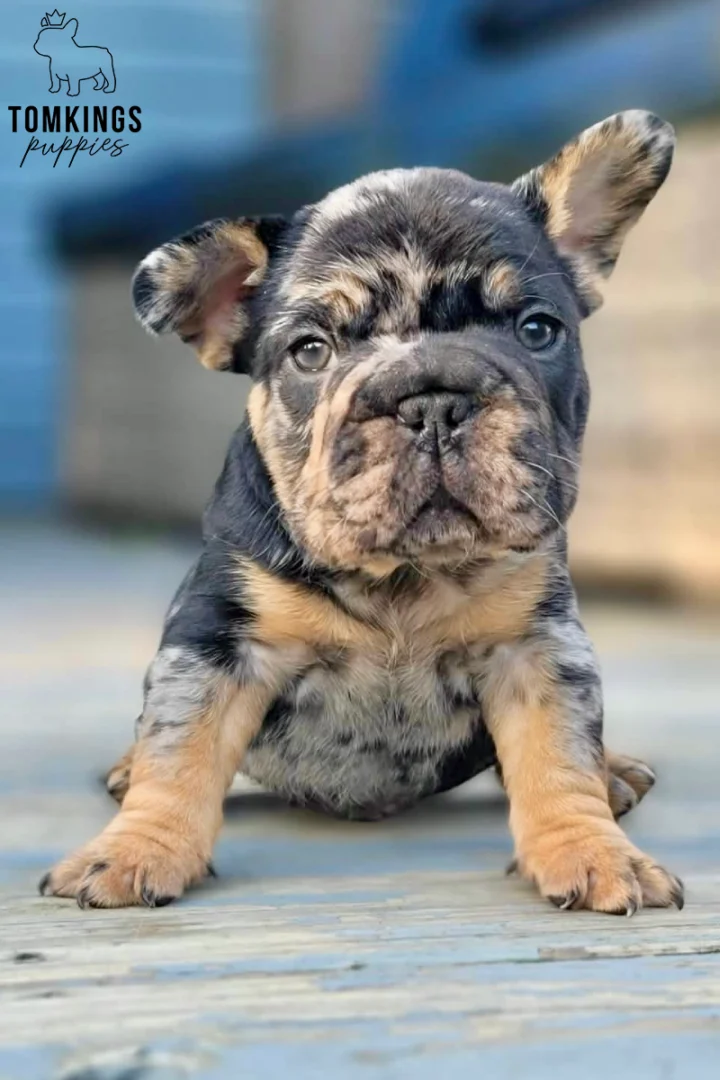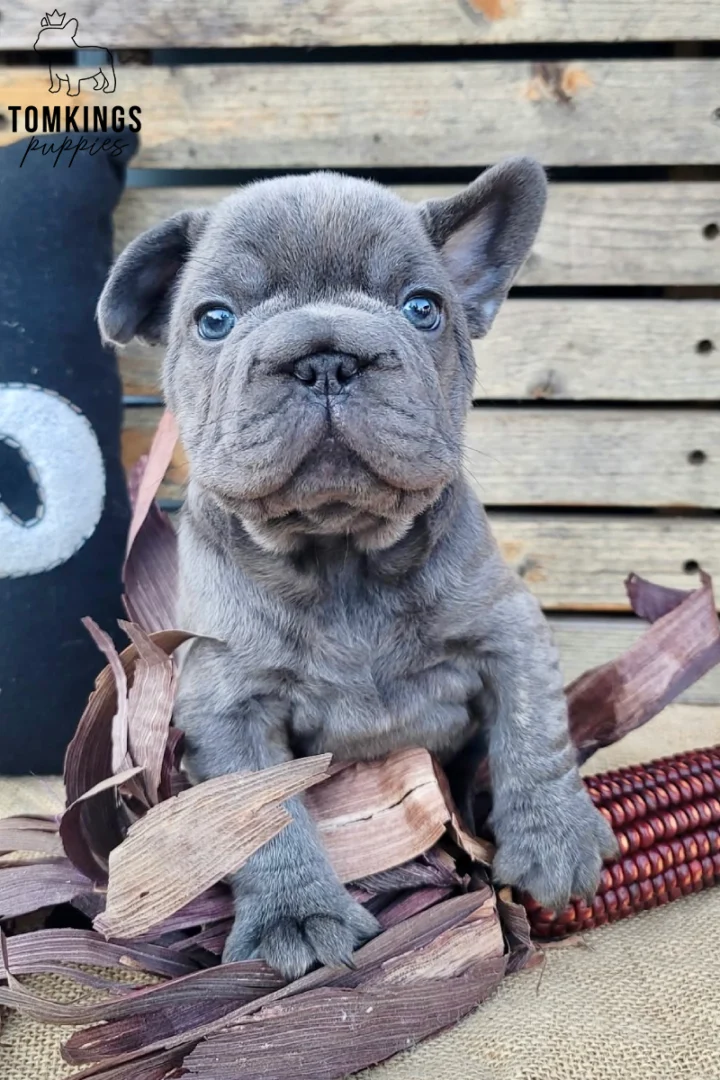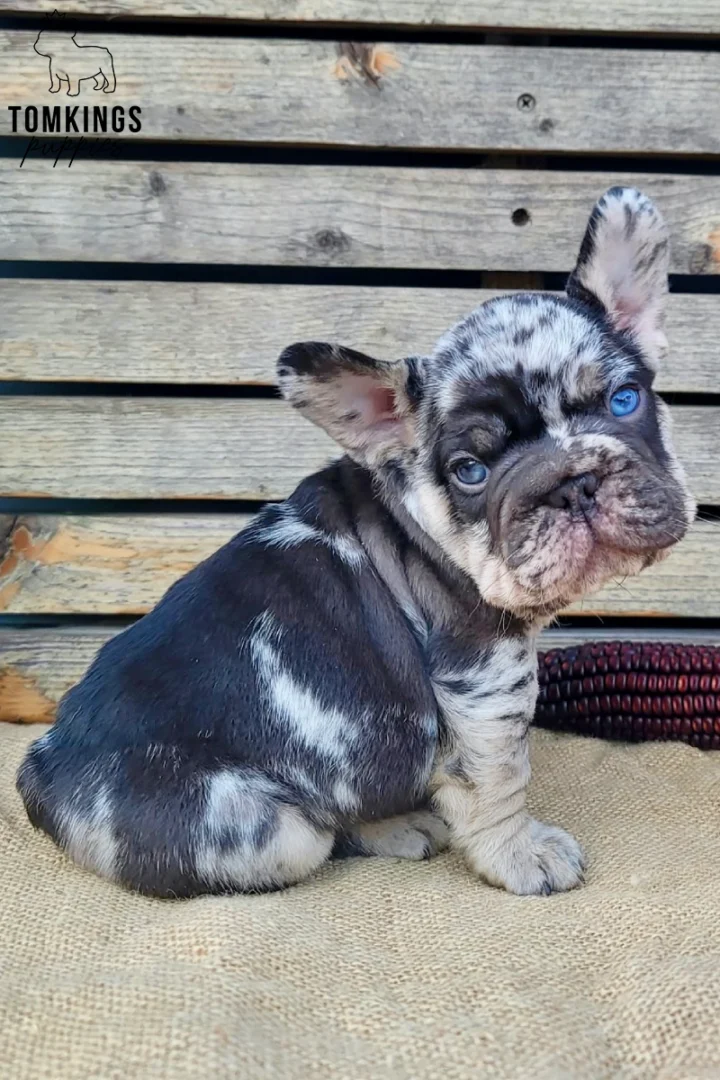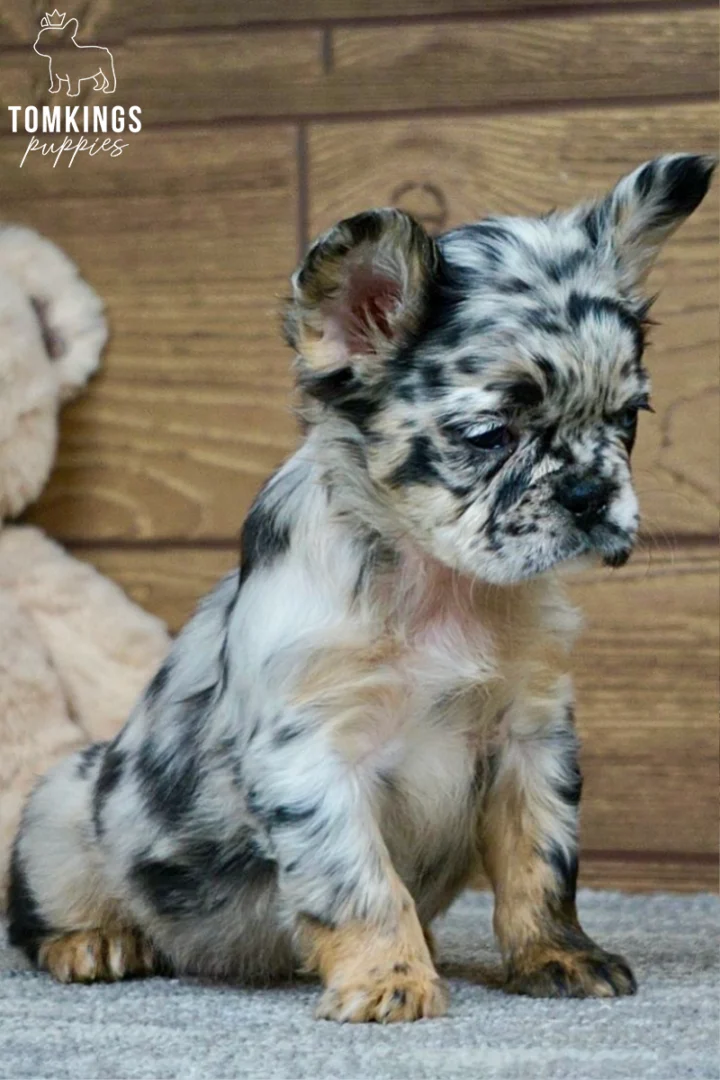
As Frenchie parents, we all want our furry companions to be happy, healthy, and comfortable. So, when you notice your pup frequently licking their paws, it’s natural to wonder what might be going on. Understanding the potential reasons behind your Frenchie’s paw licking can help you take the right steps to address the issue.
This article explains the most common reasons why French Bulldogs lick their paws and shows you the best ways to help them. We’ve seen paw licking many times with Frenchies over the years, and in most cases it starts with something fairly simple, like irritation or allergies. The important thing is noticing when it becomes frequent enough to need a closer look.
Key Takeaways
- Excessive paw licking in Frenchies is usually caused by allergies, irritation, injuries or behavioral issues.
- Most problems are manageable at home, but persistent symptoms need veterinary attention.
- Preventive care, grooming and a clean environment are the best long term solutions.
Why Do Frenchies Lick Their Paws?
Frenchie paw licking can happen for several reasons, and while some causes are harmless, others may require immediate attention. Let’s take a closer look at the most common reasons why your French Bulldog might be licking their paws.

Injury or discomfort: What can cause sudden paw licking?
If your Frenchie suddenly starts licking one paw, it’s often a sign of injury or discomfort. This could include cuts, torn nails, or foreign objects like thorns, splinters, or grass awns stuck between their paw pads. During warmer months, watch out for grass awns (also known as foxtails), which can become embedded in the skin. Additionally, stepping on something sharp or being stung by an insect can cause sudden irritation.
Always check your Frenchie’s paws carefully if you notice sudden licking. Look between the toes, around the pads, and even under the nails for any signs of injury or foreign bodies. If you find something lodged, it’s best to consult your vet to have it removed safely.
Frenchies often try to hide pain, so even a small cut or stuck object can lead to constant licking if it isn’t found quickly. We like to make paw checks part of normal everyday handling, because it’s much easier to notice when something suddenly looks or feels different.
How can skin irritation cause your Frenchie to lick their paws?
Environmental irritants can also lead to paw licking. Your Frenchie may experience irritation from walking on salted roads during winter, hot sidewalks in summer, or exposure to chemicals like de-icers or fertilizers. This kind of irritation can leave their paws sore, itchy and inflamed. Even everyday things like dry grass or dust can bother sensitive skin, so wiping their paws after walks may help prevent irritation from building up.
Frenchie skin can be quite sensitive, so this is one of those small habits that can make a real difference, especially during very hot summers or salty winter weather.
How do allergies trigger paw licking in French Bulldogs?
Allergies are one of the most common reasons for paw licking in French Bulldogs. These can be triggered by environmental factors like pollen or dust, or by food sensitivities. Frenchies are particularly prone to food allergies, with common triggers being chicken, grains, or other low-quality ingredients often found in dog food. If you’re interested in this topic, read our article The Truth About Chicken Allergies in French Bulldogs.
Allergic reactions often show up as itchy paws long before other symptoms appear, which makes licking one of the first signs many owners notice. When we see repeated paw licking, we always look at the bigger picture too: whether the ears are itchy, the skin is red, or the licking seems to get worse after certain foods or walks. Keeping track of when the licking starts, such as after walks or after a specific meal, can help you identify the root cause more quickly.
Can stress or boredom make your Frenchie lick their paws?
Sometimes paw licking isn’t physical at all, as it can also stem from behavioral issues like boredom or anxiety. If your Frenchie isn’t getting enough exercise or mental stimulation, they might turn to licking as a way to cope. Similarly, stress from separation anxiety or loud noises can lead to compulsive behaviors like paw licking.
Frenchies are very people oriented, so emotional triggers can easily become repetitive habits if not addressed early. We know how much Frenchies like being involved in whatever their family is doing, so a sudden increase in licking during long quiet periods or when they’re left alone is worth paying attention to.

Solutions to Help Your Frenchie Stop Licking Their Paws
If your Frenchie’s paw licking has become excessive, taking action is essential to ensure their comfort and health. Below are some solutions tailored to address the common causes of paw licking.
What home remedies can help soothe your Frenchie’s itchy paws?
Start with simple home care to soothe your Frenchie’s paws. Gently clean their paws with pet-safe wipes or lukewarm water after walks to remove irritants like dirt, salt, or chemicals. Dry their paws thoroughly, as moisture can exacerbate skin issues. Applying a soothing paw balm can help keep their paw pads soft and reduce irritation.
One thing we always pay attention to is the space between the toes. It’s easy for moisture and dirt to stay there even when the paw looks clean from the outside.
These small steps are often enough to calm mild irritation, especially if the licking started suddenly and only affects one or two paws.
How can allergy treatments reduce your Frenchie’s paw licking?
If allergies are triggering the licking, identifying the source is key. For food allergies, switching to a hypoallergenic diet or grain-free food can often resolve symptoms. Experimenting with different options may be necessary, and our guide on the Best Food for French Bulldogs can help you find the right choice.
Fresh, home-cooked meals may also be an excellent option, allowing you full control over the ingredients. Check out our guide on French Bulldog Food Recipes for ideas.
For environmental allergies, clean your Frenchie’s paws and coat after outdoor activities to minimize exposure to allergens like pollen or dust. Your vet may recommend antihistamines or other allergy treatments to manage symptoms effectively.
Because allergic reactions tend to return if the trigger isn’t identified, tracking when the licking starts can make long term management much easier. That’s why we prefer looking for a pattern rather than simply trying to stop the licking itself.
How can you address behavioral causes behind paw licking?
When boredom or anxiety is causing the licking, it’s important to redirect their energy. Increase their physical activity with more walks, playtime, or trips to the dog park. Puzzle toys and chew toys are excellent tools to keep their minds occupied and divert attention from licking.
For anxiety-related licking, calming treats or consulting an animal behaviorist may help manage their stress. If the licking mostly happens during quiet periods or when your Frenchie is left alone, it often points to an emotional cause rather than a medical one.
When does paw licking require veterinary treatment?
For more severe or persistent cases, professional care may be necessary. Your vet can prescribe medications such as antibiotics for bacterial infections or antifungal treatments for yeast infections.
Anti-itch sprays or topical creams may provide immediate relief for irritated skin. In cases of recurring issues, diagnostic tests like skin scrapings or allergy testing can help identify the root cause and guide long-term treatment.
Veterinary care is especially important if the licking has been going on for weeks, as chronic irritation can lead to secondary infections that require medical attention. If the same problem keeps coming back, we wouldn’t just keep treating the paw at home. At that point, finding the underlying cause becomes much more important.

When Should You Be Concerned About Persistent Paw Licking?
While occasional paw licking is usually harmless, there are times when it signals a bigger problem that requires attention. You should be concerned if:
- Licking becomes persistent or obsessive: If your Frenchie is licking their paws nonstop, it may indicate pain, irritation, or an underlying health issue.
- Redness, swelling, or signs of infection appear: Look for symptoms like inflamed skin, swelling, oozing, or a foul odor. These are clear signs that something more serious, like a bacterial or yeast infection, may be at play.
- Hot spots or sores develop: Open wounds or rapidly spreading sores need immediate attention to prevent further complications.
- Hair loss or bald patches occur: Excessive licking can lead to hair loss, which might also point to allergies or parasites.
Constant moisture from licking can create the perfect environment for bacteria and fungi to thrive, leading to secondary infections. If you notice any of the above symptoms, it’s time to consult your vet. Early intervention can prevent small issues from escalating into larger, more painful problems.
How Can You Prevent Paw Licking in the Future?
1. Daily care that helps you catch early signs
Preventing your Frenchie from excessive paw licking starts with consistent care and proactive measures. Regularly inspecting and grooming their paws is one of the best ways to catch any potential issues early.
Clean their paws gently after outdoor walks to remove irritants like dirt, salt, or chemicals, and always ensure they’re dry to avoid moisture buildup. It only takes a minute, and once it becomes part of your routine, you’ll also get to know what your Frenchie’s paws normally look like. That makes changes much easier to spot.
2. A proper diet and nutrition reduce the risk of licking
A healthy diet is equally important in preventing future problems. Providing high-quality, balanced meals tailored to your Frenchie’s needs can reduce the risk of food allergies and maintain their overall well-being.
Avoid common allergens like chicken or grains if you suspect food sensitivities, and consider adding omega-3 supplements to promote healthy skin.
3. Keep your Frenchie’s environment clean and safe
Keeping your Frenchie’s environment clean and allergen-free is another essential step. Wipe down surfaces regularly, wash bedding frequently, and minimize exposure to environmental irritants like pollen or dust. During walks, be mindful of hot pavement or salted sidewalks that could irritate their paws.

4. The importance of regular vet visits
Finally, veterinary check-ups are key to detecting and addressing potential issues before they escalate. Always trust your instincts as a Frenchie parent: if something doesn’t seem right, it’s better to err on the side of caution and seek professional advice. Your vet can help pinpoint the cause of the licking and recommend an appropriate treatment plan.
If you’d like to learn more about caring for French Bulldogs, join our TomKings Frenchie Family Facebook group, where fellow Frenchie parents share insights and experiences.

FAQs
Why do Frenchies lick their paws the most?
Allergies and irritation are the most common causes.
When should I take my Frenchie to the vet?
If licking is constant, causes redness or there is swelling or odor.
Can food allergies cause paw licking?
Yes, especially chicken and grains in sensitive Frenchies.
How can I prevent paw licking?
Regular paw cleaning, a clean environment and a balanced diet help the most.
The article is based on the expert knowledge of the TomKings Puppies team who have been breeding French Bulldogs for 15 years on their farm. All the pictures in the post belong to them and their customers, and show puppies from their breed. Check their available French Bulldog puppies, or if you have any questions or comments let us know below the article.