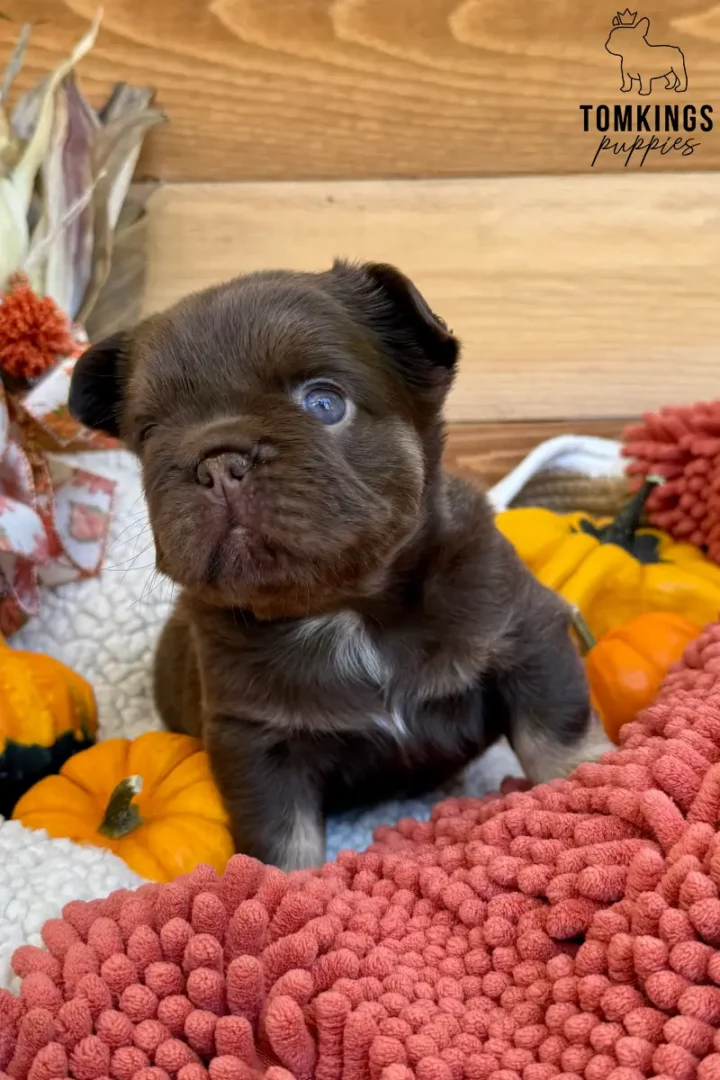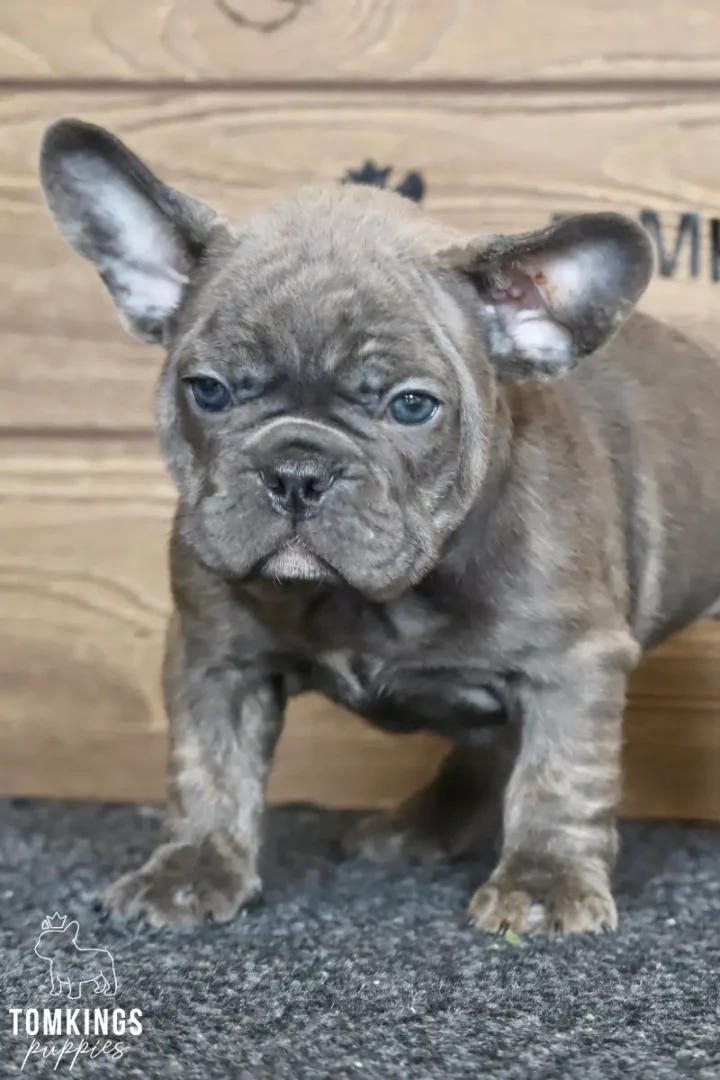

As a French Bulldog parent, you’ve likely encountered the challenges that come with caring for a sensitive stomach. From frequent bouts of diarrhea to the struggle of choosing the right food, digestive issues can be a constant concern in French bulldogs.
However, don’t worry; you’re not alone. Many French dog parents face the same issues. In fact, digestive problems are one of the most common concerns we get from owners. Fortunately, there are solutions available to help support your French Bulldog’s gut health.
In this guide, we’ll explore practical ways to support your French Bulldog with digestive issues, including feeding strategies, ingredient choices, and natural supplements that can help alleviate these issues.
Understanding the French Bulldog’s Sensitive Stomach
French Bulldogs are known for their charming, quirky personalities, but they’re also prone to certain health issues, including digestive problems. Their compact bodies and short snouts make it more difficult for their digestive systems to handle certain types of food, leading to bloating, diarrhea, or constipation.
When dealing with digestive issues, pay attention to the quality of your dog’s stool. A French Bulldog should never be skinny, and the goal is to maintain a healthy, compact body with firm stool. Loose or watery stool can indicate a problem with their diet or gastrointestinal system.
Protecting the Digestive System
When it comes to keeping your French Bulldog’s digestive system healthy, you need to be consistent and patient. Here are some tips for supporting their gut health:
Supplement with Probiotics
Probiotics are beneficial bacteria that support a healthy gut. They can help regulate your French Bulldog’s digestion and prevent issues like diarrhea or constipation. If you’re feeding your dog kibble or home-cooked meals, consider adding a probiotic supplement to their diet. This can improve their digestive health and help prevent future issues.
One trusted source for high-quality supplements is Pup Labs, which offers premium supplements designed to support dogs with digestive issues. Their products are designed to support your dog’s gut health naturally, without harmful fillers or additives.
Monitor Stool Quality
Your dog’s stool is one of the best indicators of their digestive health. Stool should be firm but not too hard, and definitely not watery or runny. Keep an eye on your French Bulldog’s stool to determine if you need to change their diet. If your French Bulldog is consistently having diarrhea, re-evaluate their food or consult a veterinarian.
Avoid Overfeeding
Overfeeding your French Bulldog can lead to digestive upset. Stick to the recommended portion sizes based on your dog’s age, size, and activity level. If you’re unsure how much to feed your French Bulldog, consult your vet for advice.
Say No to Fatty Table Scraps
French Bulldogs love to beg for food at the dinner table, but giving them fatty scraps or unhealthy treats can upset their stomach. These foods can lead to diarrhea, vomiting, or even pancreatitis in some cases. Stick to a balanced, species-appropriate diet and avoid giving them table scraps or treats that are high in fat or salt.
Choosing the Right Food
One of the most effective ways to support a French Bulldog with digestive issues is by choosing the right food. Many owners struggle with finding the right balance, as their pups can react differently to various ingredients. Here are a few feeding strategies that could work for your French dog:
1. Biologically Appropriate Raw Food (BARF) Diet
The BARF diet has gained popularity among French Bulldog owners with sensitive stomachs. BARF focuses on providing your dog with a raw food diet that mirrors their ancestral diet. This includes raw meat, bones, fruits, and vegetables. Many French Bulldogs with digestive issues have thrived on the BARF diet because it’s free from fillers, preservatives, and other artificial additives found in many commercial dog foods.
However, the BARF diet requires careful planning to ensure your dog gets all the essential nutrients they need for a balanced diet. Work with a veterinarian or canine nutritionist to ensure the meals are properly balanced, and monitor your dog’s stool to ensure they’re digesting the food well.
2. Cooked Food Diet
Another option is to cook food for your French Bulldog at home. Cooked meals allow you to control the quality of the ingredients, which is especially important for dogs with sensitive stomachs. A well-balanced diet should include a variety of protein sources, vegetables, and healthy fats. However, similar to the BARF diet, cooked food requires careful planning to ensure it meets your dog’s nutritional needs.
When cooking for your French Bulldog, make sure the meals include nutrients like protein, fiber, and healthy fats. Avoid using ingredients that can be harmful to dogs, such as onions, garlic, and certain spices.
3. High-Quality Kibble
If you prefer the convenience of kibble, choose high-quality options made with natural ingredients. Look for kibble that lists a high-quality protein source, like chicken, beef, or lamb, as the first ingredient. Avoid foods with by-products, fillers like corn, and artificial additives. You’ll also want to look for options that include digestive aids, such as prebiotics and probiotics, to support gut health.
French Bulldogs can benefit from foods that contain novel proteins, such as duck or fish, as these are less likely to cause food sensitivities. Additionally, some kibble brands offer specialized formulas designed for dogs with digestive issues.
4. Avoid Mixing Feeding Styles
If you’ve been experimenting with different feeding styles, stick to one type for at least three to four weeks before introducing changes. Mixing raw food with kibble or cooked food with raw can overwhelm your dog’s digestive system. Be consistent with their meals to help their body adjust to the new diet.
When to Seek Veterinary Help
If your French Bulldog’s digestive issues persist despite changes in diet or supplementation, consult with a veterinarian. Conditions like food allergies, gastrointestinal diseases, or infections can lead to chronic digestive problems that require medical attention. Your vet can run tests to determine the underlying cause and help you find the best solution.
Final Thoughts
French Bulldogs may have a reputation for being low-maintenance, but when it comes to their digestive health, they require a bit of extra care. You can help your French Bulldog lead a healthy and happy life by choosing the right food, monitoring their stool quality, and being mindful of their dietary needs. Consistency, patience, and a focus on natural, high-quality ingredients are essential for supporting their sensitive stomach.