Tiny dogs have taken over the internet. They’re cute, easy to carry, and seem like the perfect low-maintenance companion. But when it comes to teacup dogs, there’s more behind the adorable photos than meets the eye. In this article you’ll learn what teacup dogs are, which breeds are most often bred this small, and the risks every future owner should know before adopting.
Before we go any further, let’s be clear: TomKings does not breed teacup French Bulldogs and does not support the practice. The reason is simple. Breeding dogs to be unnaturally small often involves health risks, especially with flat-faced breeds like Frenchies. After spending many years breeding Frenchies, we’ve learned that size should never be the goal if it means compromising a puppy’s health.
Key Takeaways
- Teacup dogs are not officially recognized breeds but very small versions of already small dogs.
- Most teacup dogs are bred in ways that raise serious health and ethical concerns.
- TomKings Puppies offers responsibly bred, small-sized French Bulldogs as a healthier alternative.

What Exactly Is a Teacup Dog?
The term teacup dog doesn’t refer to an official breed. It’s a marketing label used to describe extremely small versions of already small dog breeds. Think of it like this: if a Chihuahua or a Maltese is considered tiny, a teacup version is bred to be even smaller, often under 4 pounds as an adult.
These dogs became popular in the early 2000s, especially on social media. They’re small enough to fit in a handbag, which made them appealing to celebrities and influencers. Since then, demand has skyrocketed.
But here’s the important part: teacup dogs are not recognized by major breed organizations like the American Kennel Club. There’s no official size category for “teacup,” and no breed standard supports such extreme miniaturization. That means there’s no oversight, and that opens the door to questionable breeding methods.
For us, this distinction is really important. A naturally small puppy is very different from a puppy that has been deliberately bred to be as tiny as possible.
Why do people love teacup dogs?
It’s easy to see why people are drawn to them:
- They’re portable and easy to travel with.
- Their puppy-like appearance stays with them into adulthood.
- They seem like a luxury pet: rare, delicate, and “Insta-worthy.”
But as you’ll see in the next section, the way most teacup dogs are bred often puts looks above health. And that’s where things get complicated.
Ethical Issues with Teacup Dogs
There’s no easy way to say it: most teacup dogs are the result of questionable breeding practices. Since there’s no official breed standard for “teacup” size, breeders who focus on creating these dogs often prioritize smallness over everything else, including the dog’s well-being.
One common method is pairing the smallest puppies from different litters, also known as “runts.” While being the smallest doesn’t always mean unhealthy, continuously breeding the tiniest dogs increases the chance of passing down genetic weaknesses.
In some cases, breeders go even further by:
- Inbreeding (pairing closely related dogs)
- Intentionally underfeeding puppies to stunt their growth
- Breeding dogs with known health conditions like dwarfism
These practices don’t just raise ethical questions. They directly affect the quality of life of the dog.
As breeders, this is where we draw a clear line. Choosing naturally smaller, healthy parents is one thing. Breeding specifically for an extreme size, regardless of the health consequences, is something we don’t support.

Health Risks and Long-Term Problems
Because of how they’re bred, many teacup dogs face serious health challenges. These can include low blood sugar, breathing difficulties, liver issues, weak bones and problems with their teeth or heart. Their small size also makes them more fragile, meaning even a short fall or small accident can lead to injury.
For many owners, this leads to frequent vet visits and high medical costs throughout the dog’s life, not to mention a shorter lifespan. That’s why most responsible breeders, including TomKings, avoid any breeding practices aimed at creating unnaturally tiny dogs.
With Frenchies especially, we already pay close attention to things like breathing, structure and overall health. Adding extreme miniaturization on top of that is simply not a direction we would take.
Still Considering a Teacup Dog?
Despite the risks and concerns around teacup breeding, some people are still drawn to these tiny dogs. And that’s completely understandable, there’s no denying their charm. While the teacup dog breeding as a whole is filled with unethical practices, it is possible to find a small dog from a breeder who puts health and ethics first.
If you’re serious about bringing home a teacup-sized dog, make sure to do your homework. Ask detailed questions about how the puppies are bred. Make sure both parents have passed health checks. Be cautious of anyone who focuses only on size or offers unusually small dogs as a selling point.
To help you start your research, here’s a list of the most popular small dog breeds that are commonly bred in teacup sizes. Remember, just because a breed can be bred smaller doesn’t mean it should be. Always prioritize the dog’s long-term health over size!
1. Pekingese
The Pekingese is a toy breed with a long, flowing coat and a proud, lion-like appearance. Originally bred as companions for Chinese royalty, they are affectionate, loyal, and make excellent lap dogs.

Standard size: 6–9 inches tall, weighing 7–14 pounds
Teacup version: Typically under 6 pounds
2. Japanese Chin
The Japanese Chin is a graceful and elegant toy breed with a silky coat and feathered tail that curves over the back. Known for its gentle, cat-like personality, this breed has been a favorite companion in Asia for centuries.

Standard size: 8–11 inches tall, weighing 4–9 pounds
Teacup version: Typically under 4 pounds
3. Brussels Griffon
The Brussels Griffon is instantly recognizable for its short nose and expressive, almost human-like eyes. Its wiry or smooth coat gives it a unique look, while its lively and sensitive nature makes it deeply attached to its owners.

Standard size: 7–10 inches tall, weighing 8–10 pounds (not exceeding 12 pounds)
Teacup version: Usually under 6 pounds
4. Bichon Frise
The Bichon Frise is a cheerful little dog with a soft, curly white coat that makes it look like a fluffy cotton ball. They are playful, curious, and outgoing, often charming everyone they meet with their happy-go-lucky personality.

Standard size: 9–12 inches tall, weighing 12–18 pounds
Teacup version: Usually under 10 pounds
5. Chihuahua
The Chihuahua is famous for its tiny body, large round eyes, and oversized ears that stand tall on its head. Despite their size, they are bold, confident, and often act as if they are much bigger than they really are.

Standard size: 5–8 inches tall, weighing up to 6 pounds
Teacup version: Often under 3 pounds
6. Maltese
The Maltese is a charming toy breed with a long, silky white coat that flows to the ground. Known for its lively and affectionate personality, this little dog has been a beloved companion for centuries.

Standard size: 7–9 inches tall, weighing under 7 pounds
Teacup version: Commonly marketed as under 4 pounds
7. Toy Poodle
The Toy Poodle is an elegant and intelligent breed, instantly recognized for its curly coat that can be styled in many ways. They are quick learners, highly trainable, and love to please their owners, making them popular both as companions and performers.

Standard size: Up to 10 inches tall, weighing 4–6 pounds
Teacup version: Often under 4 pounds
8. Pomeranian
The Pomeranian is a fluffy little dog with a thick double coat and a fox-like face. Despite their tiny size, they are bold, alert, and often act as lively watchdogs. Their playful energy and charming looks make them one of the most popular toy breeds worldwide.

Standard size: 6–7 inches tall, weighing 3–7 pounds
Teacup version: Typically under 3 pounds
9. Yorkshire Terrier
The Yorkshire Terrier, or Yorkie, is a glamorous toy breed with a long, silky coat that often reaches the floor. Beneath their elegant look, they are spirited, brave, and full of energy, making them both stylish companions and fearless little watchdogs.

Standard size: 7–8 inches tall, weighing up to 7 pounds
Teacup version: Often under 4 pounds
10. Shih Tzu
The Shih Tzu is a sturdy toy breed with a long, flowing coat and a sweet, friendly expression. Originally bred as a royal companion in China, they are affectionate, calm, and enjoy spending time close to their families.

Standard size: 9–10.5 inches tall, weighing 9–16 pounds
Teacup version: Usually under 7 pounds
11. Papillon
The Papillon is an elegant toy breed best known for its butterfly-shaped ears and fine, flowing coat. They are lively, intelligent, and eager to learn, often excelling in agility and obedience sports.

Standard size: 8–11 inches tall, weighing 5–10 pounds
Teacup version: Commonly under 4 pounds
12. Toy Fox Terrier
The Toy Fox Terrier is a small but athletic breed with a sleek coat and an alert, confident look. They combine the spirit of a terrier with the charm of a lapdog, making them both playful companions and bold little watchdogs.

Standard size: 8.5–11.5 inches tall, weighing 3.5–7 pounds
Teacup version: Typically under 4 pounds
13. Russian Toy
The Russian Toy is a delicate, fine-boned breed with either smooth or long hair and large, expressive eyes. They are lively, affectionate, and love to stay close to their owners, often forming very strong bonds with their families.

Standard size: 8–11 inches tall, weighing up to 6.5 pounds
Teacup version: Often under 4 pounds
Quick Comparison Table
| Breed | Standard Size | Teacup Version |
|---|---|---|
| Pekingese | 6–9 in, 7–14 lbs | Under 6 lbs |
| Japanese Chin | 8–11 in, 4–9 lbs | Under 4 lbs |
| Brussels Griffon | 7–10 in, 8–10 lbs (max 12 lbs) | Under 6 lbs |
| Bichon Frise | 9–12 in, 12–18 lbs | Under 10 lbs |
| Chihuahua | 5–8 in, up to 6 lbs | Under 3 lbs |
| Maltese | 7–9 in, under 7 lbs | Under 4 lbs |
| Toy Poodle | Up to 10 in, 4–6 lbs | Under 4 lbs |
| Pomeranian | 6–7 in, 3–7 lbs | Under 3 lbs |
| Yorkshire Terrier | 7–8 in, up to 7 lbs | Under 4 lbs |
| Shih Tzu | 9–10.5 in, 9–16 lbs | Under 7 lbs |
| Papillon | 8–11 in, 5–10 lbs | Under 4 lbs |
| Toy Fox Terrier | 8.5–11.5 in, 3.5–7 lbs | Under 4 lbs |
| Russian Toy | 8–11 in, up to 6.5 lbs | Under 4 lbs |
Our Pick Instead of Teacup Dogs: French Bulldog
The French Bulldog is not a toy breed, but it is one of the most popular small companion dogs in the world. Frenchies are playful, affectionate, and love being around people, which makes them wonderful family pets. They adapt well to apartment living, need only moderate exercise, and their charming personalities make them easy to fall in love with.
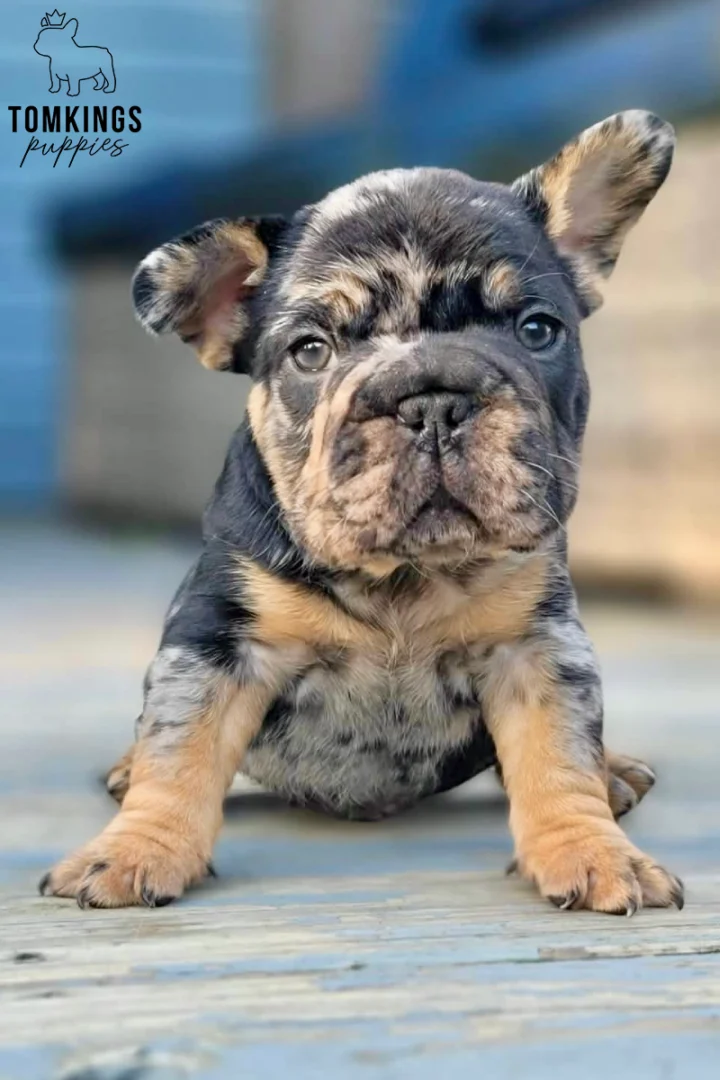
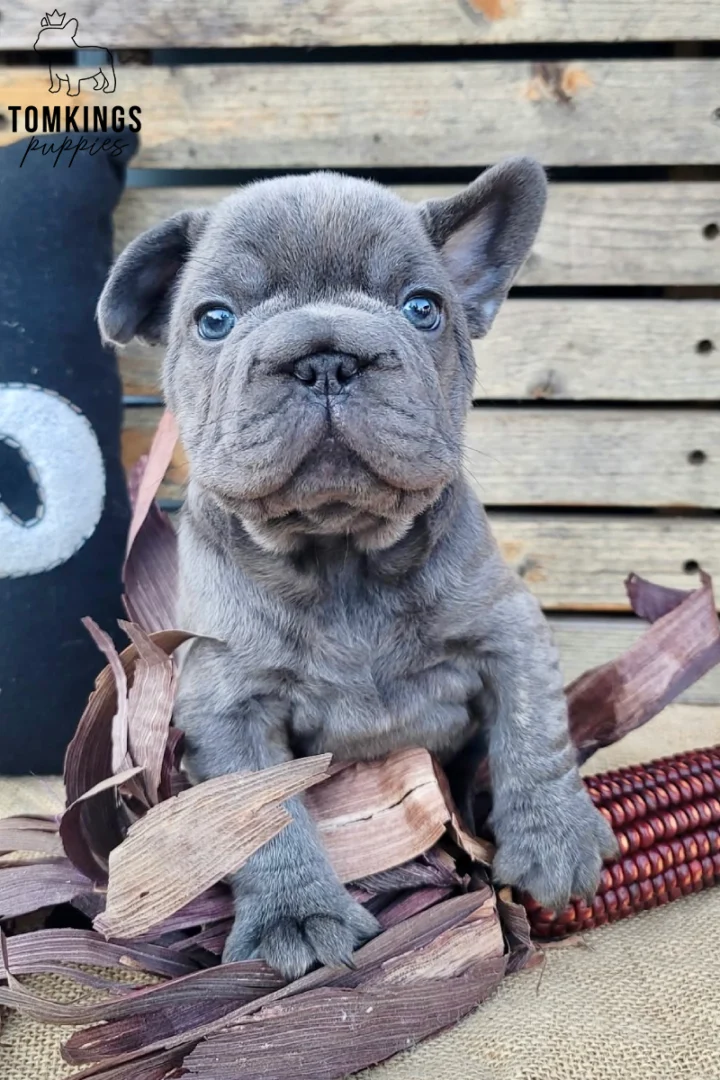
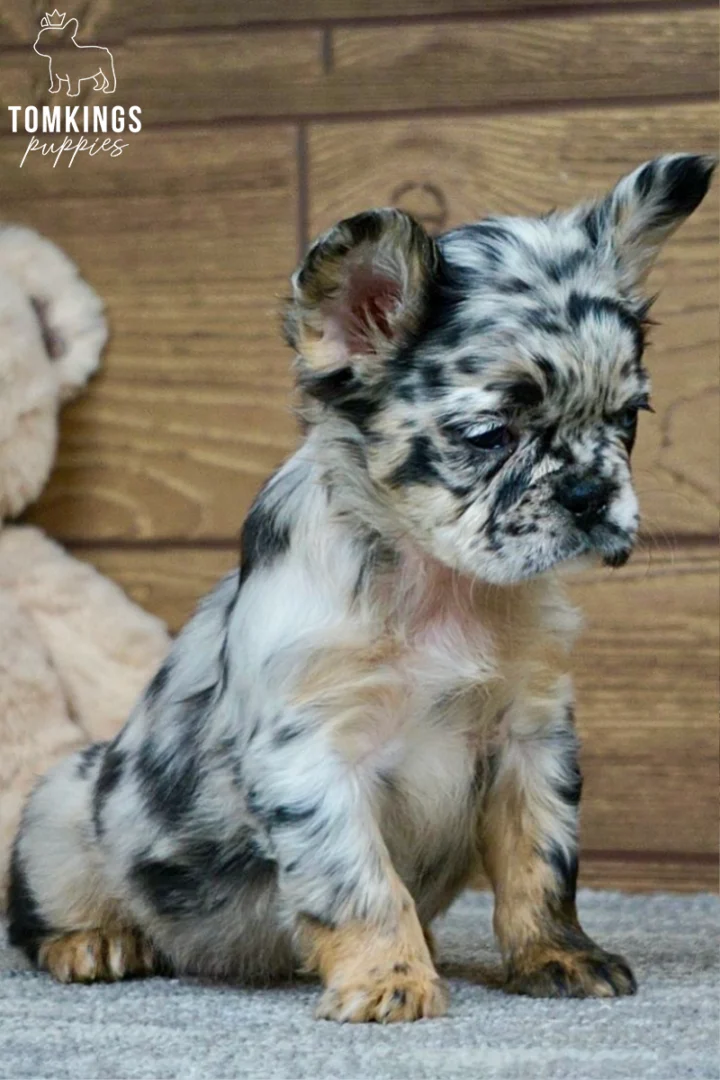
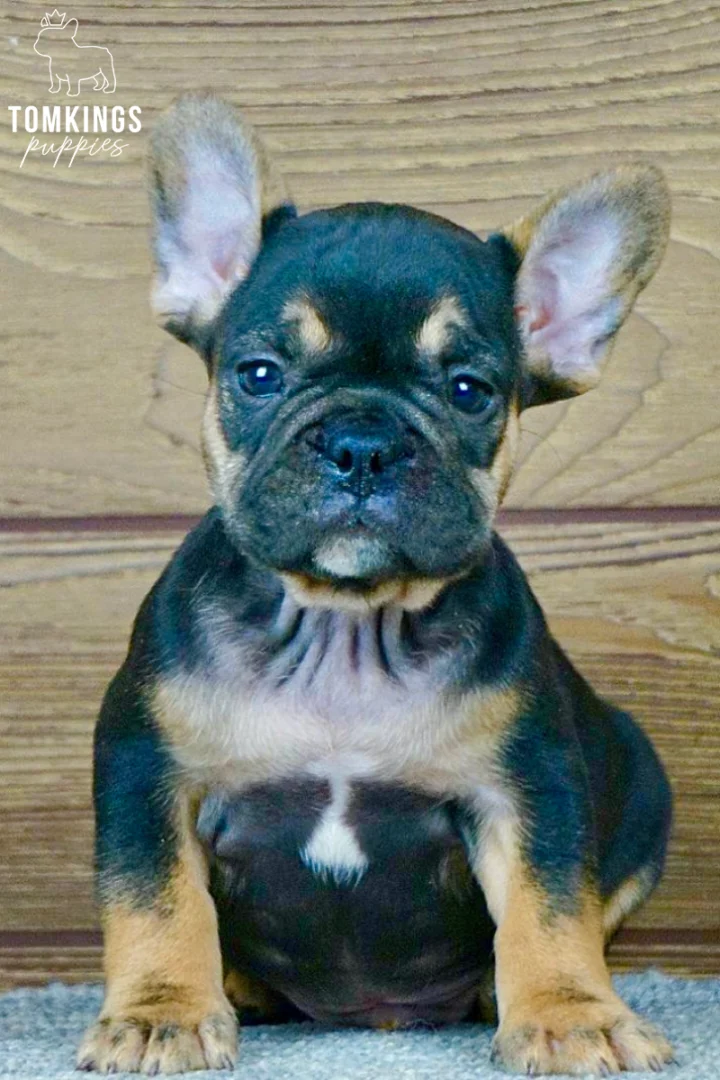
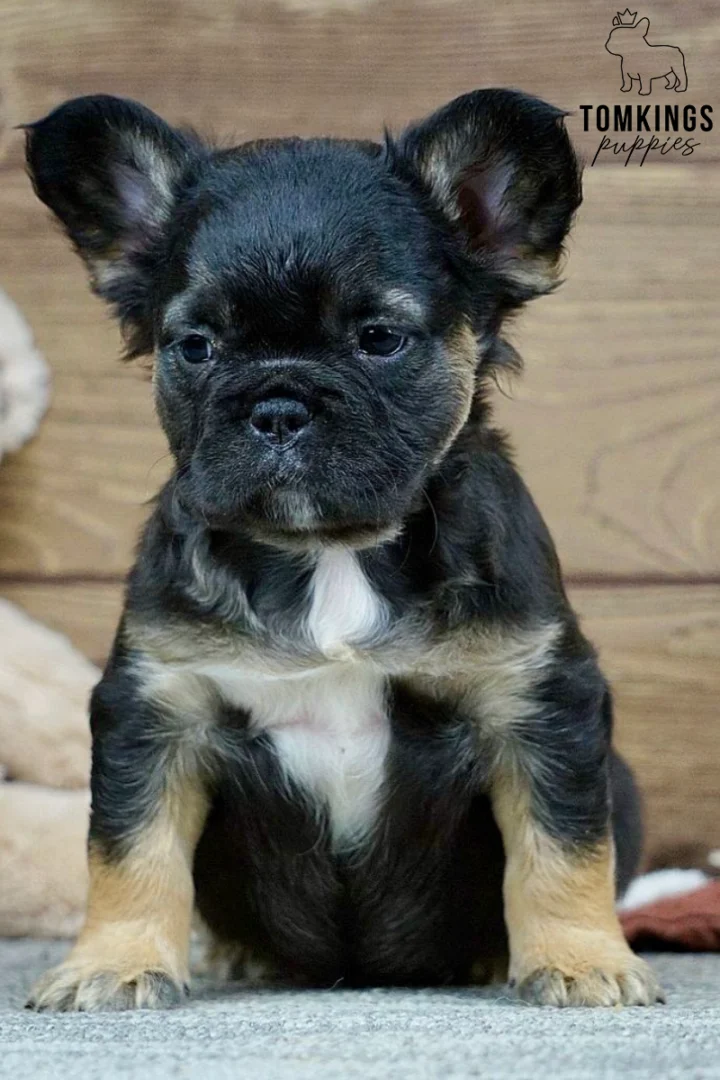
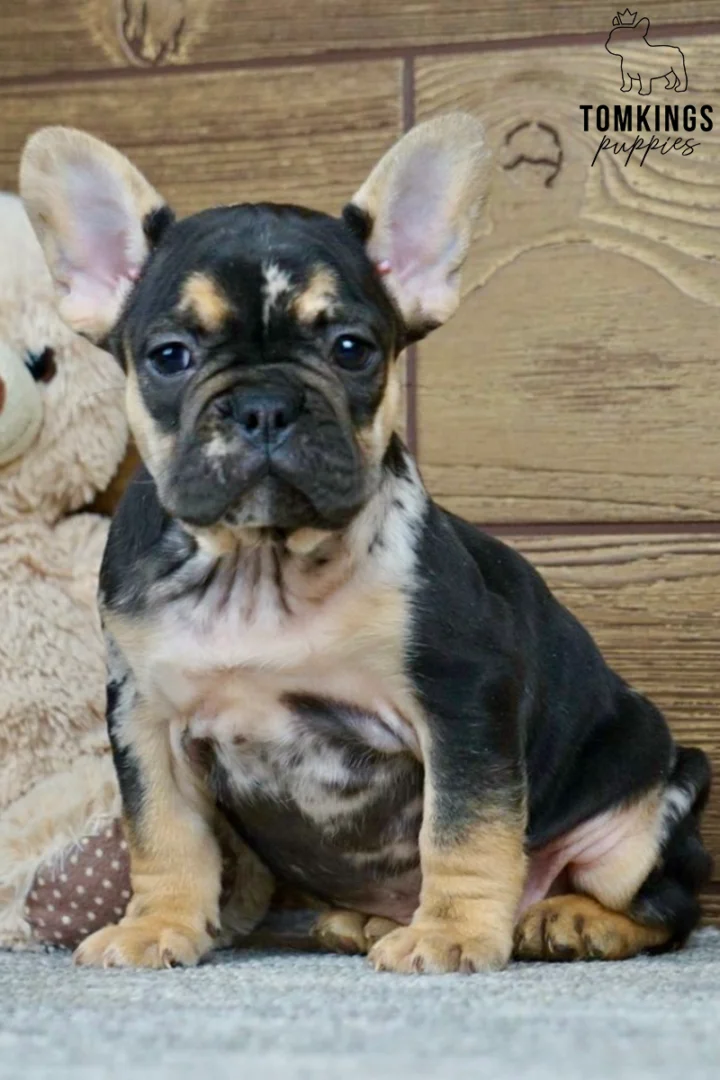
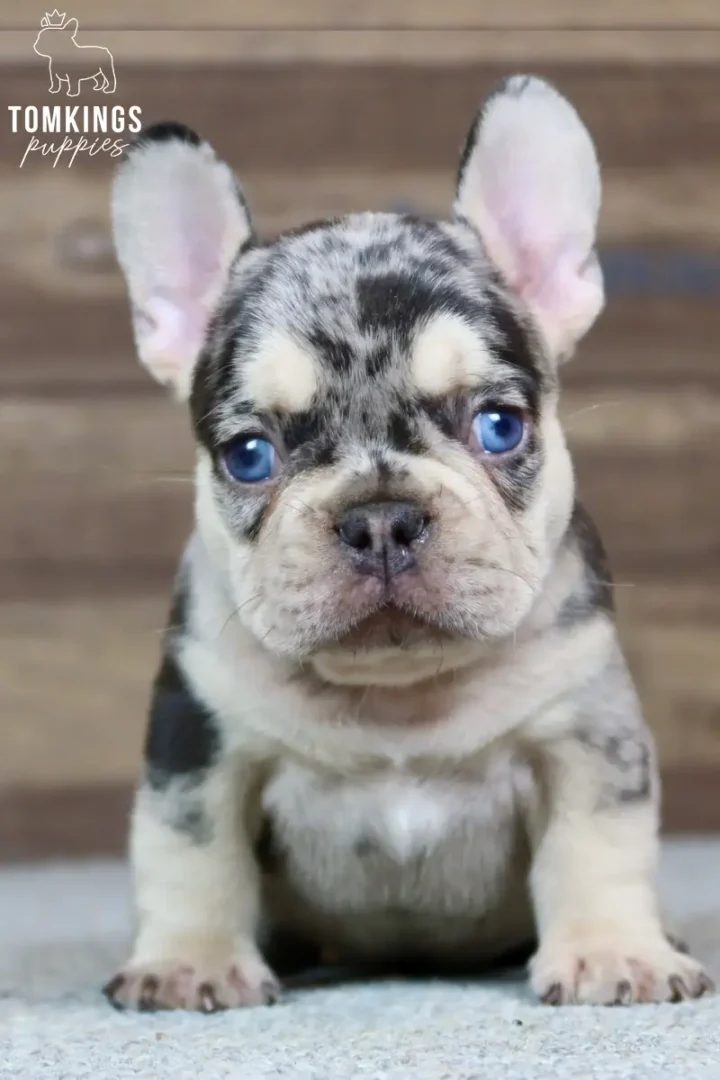
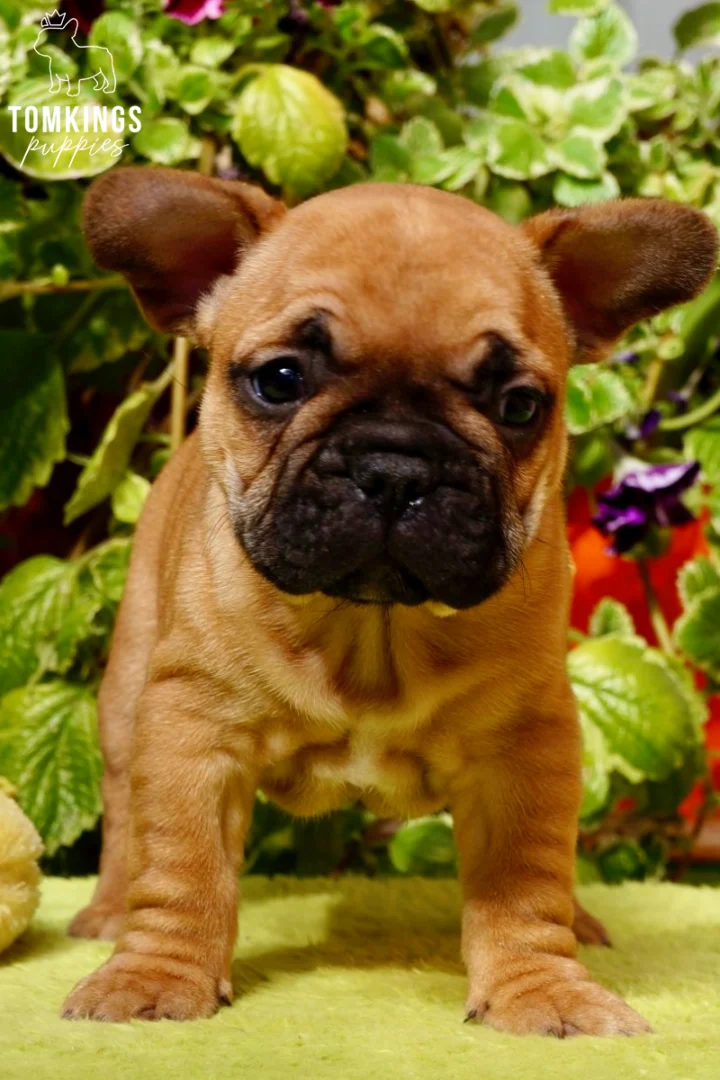
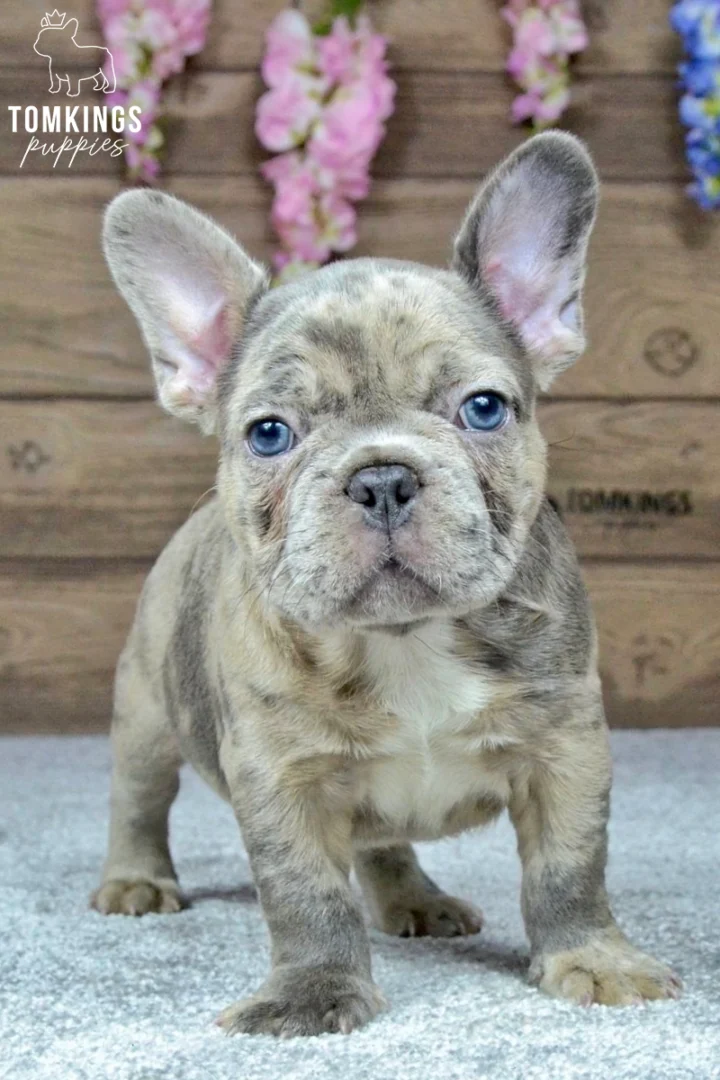
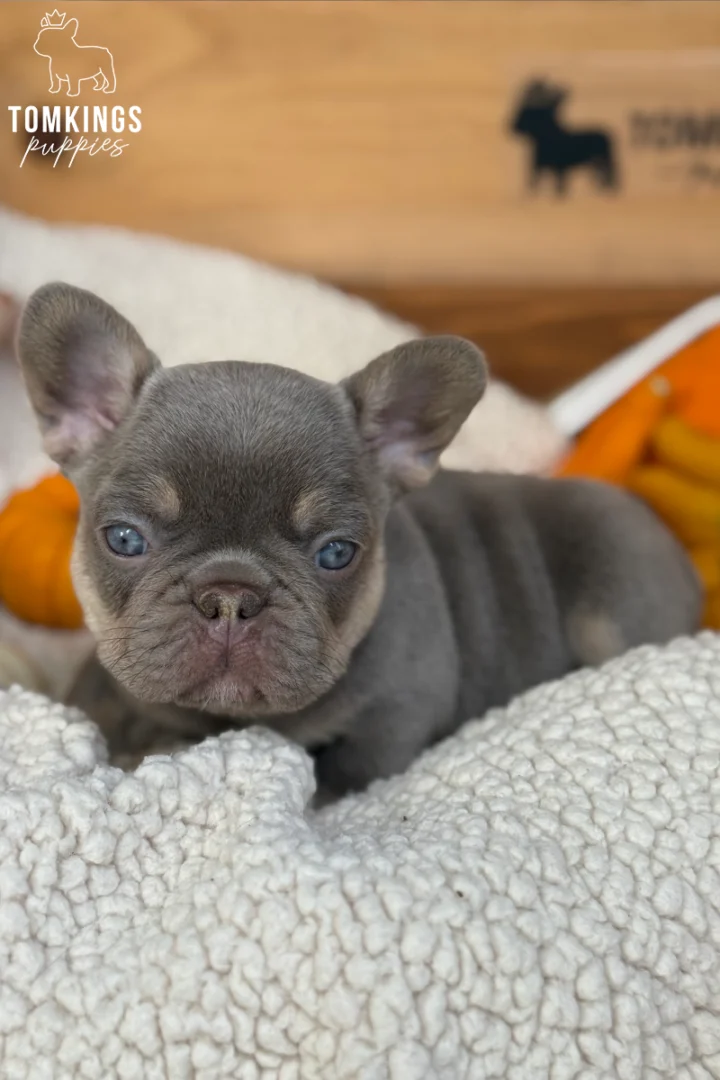
At TomKings, some French Bulldogs are naturally smaller than average. While the standard Frenchie typically weighs between 25–30 pounds as an adult, our smaller ones are usually around 17 pounds. These puppies are sometimes available, but they are not classic “mini” Frenchies and certainly not teacup dogs. They are simply a bit smaller than the standard size, while still healthy and strong, because they come from pairing smaller parents within the breed.
We’ve had naturally petite Frenchies over the years, and for us the important part is exactly that: they are naturally smaller. We don’t try to push their size down further just to create a certain look or label.
Important note: TomKings does not breed or support teacup French Bulldogs. Deliberately breeding Frenchies to be teacup-sized carries high health risks, especially for a flat-faced breed. Our priority is always the same, whether a Frenchie is smaller or closer to the standard size: health, good structure and temperament come first.

Who Should (and Shouldn’t) Get a Teacup Dog?
Teacup dogs may look like the perfect pets, but they are not ideal for everyone. Their small size and delicate build make them a better fit for certain lifestyles than others.
Best fit for:
- People living in apartments or small homes
- Pet parents ready to handle frequent vet visits and extra care
- Owners who can commit to delicate handling and consistent routines
Not ideal for:
- Families with toddlers or young children who might play too roughly
- Households with large, active pets that could injure them by accident
- Frequent travelers who cannot arrange safe care during trips
- Anyone on a tight budget, since vet bills and upkeep can be expensive
FAQs
What is a teacup dog?
A teacup dog is an unofficial term for a very small version of a toy breed, usually weighing under 4 pounds. It is not recognized by major kennel clubs.
How long do teacup dogs live?
Their lifespan can vary, but due to health problems linked to extreme miniaturization, many live shorter lives than standard-sized dogs.
How long do teacup dogs live?
Their lifespan can vary, but due to health problems linked to extreme miniaturization, many live shorter lives than standard-sized dogs.
How much do teacup dogs cost?
Prices usually range up to several thousand dollars, depending on the breed and breeder. However, lower cost may signal poor breeding practices.
Are teacup dogs good pets for apartments?
Yes, their small size makes them easy to keep in apartments. Still, they need careful supervision and gentle handling.
Are teacup dogs good with kids?
Generally not. They are very fragile, and young children can easily injure them by accident.
Final Thoughts
Teacup dogs may be tiny and adorable, but owning one comes with serious responsibilities. From health risks to ethical concerns, it’s important to look beyond the cute appearance and understand what life with a teacup dog really means.
If your heart is set on a small companion, choosing a breed that meets the standard size (or a naturally smaller French Bulldog from TomKings) can give you the best of both worlds: a petite dog that is still healthy and full of life.
We completely understand why people fall in love with tiny puppies. But after many years with Frenchies, we would always choose a naturally healthy size over an extreme one.
If you enjoyed this article and found it helpful, we’d love to welcome you to our TomKings Frenchie Family Facebook group, where thousands of Frenchie lovers share their experiences and stories.
Did you like the article? Save it to your bookmarks so you can easily find it again anytime!
The article is based on the expert knowledge of the TomKings Puppies team who have been breeding French Bulldogs for more than 15 years. All the pictures in the post belong to them and their customers, and show puppies from their breed. Check their available French Bulldog puppies, or if you have any questions or comments let us know below the article.