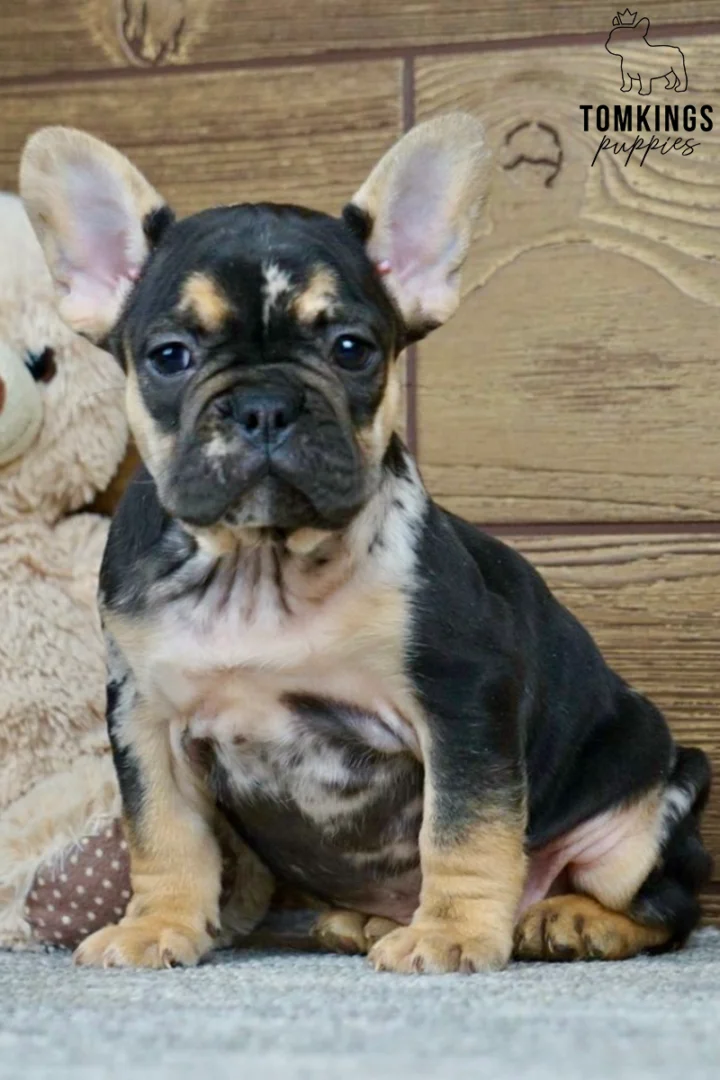
Many new French Bulldog owners are surprised to learn just how different the birthing process is for this beloved breed. This article will explain what French Bulldog birth really looks like, and why a planned C-section is the only truly safe option for both the mother and her puppies.
At TomKings, we’ve helped deliver more than a thousand healthy Frenchie pups over the past 15 years, and we’re here to share what every owner should know before the big day arrives. Whether you’re a first-time breeder or just a curious Frenchie parent, you’ll find practical advice, real insights, and expert tips based on our own experience.
Key Takeaways
- Natural birth is not recommended for French Bulldogs due to their body structure. A C-section is the safest route.
- Recognizing signs of labor early and involving your vet from the start is essential for a smooth delivery.
- Proper aftercare for mom and puppies is just as important as the birth itself, and you’ll need to be fully prepared.
What to Expect During a French Bulldog’s Pregnancy
French Bulldog pregnancy is a special but delicate period. Knowing what to expect during these weeks helps you prepare for a safe and healthy delivery.
On average, Frenchies are pregnant for 58 to 63 days, though the exact length can vary from one dog to another. That’s why it’s important to keep track of the insemination dates and start preparing for the puppies well in advance.
From around day 30, her belly will begin to grow. Her nipples will become more prominent and darker. She might become clingier, more tired, or just want quiet time. Don’t worry, all of this is normal. What’s important is that you create a calm, safe space for her, especially during the final two weeks.
Here’s what to expect as the pregnancy progresses:
- Behavioral changes: Increased sleep, reduced activity, mood shifts.
- Appetite fluctuations: Some moms may eat less during the first weeks, then more later.
Body changes: A slowly growing belly, firmer nipples, possible milk production in the final days.
Ultrasound and Veterinary Checkups
Around day 28–30, your vet can perform an ultrasound to confirm the pregnancy and check how many puppies are developing. This scan is safe and doesn’t harm the mother or the fetuses. At Tomkings, we don’t recommend more ultrasounds as that can cause stress for the mom, which you definitely want to avoid in the later stages.
A Quick Note on Red Flags
While most French Bulldog pregnancies go smoothly with proper care, you should always contact your vet if you see signs like:
- Prolonged vomiting or diarrhea
- No weight gain after several weeks
- Complete loss of appetite for more than a day
- Bleeding or unusual discharge
If you notice anything unusual, call your vet immediately. It’s always better to be safe than sorry, especially with a breed as sensitive as the Frenchie.
In case you missed it, we’ve written a full guide on this topic: How to Take Care of a Pregnant French Bulldog. It’s definitely worth checking out for week-by-week advice and care tips.
Natural Birth vs. C-Section: Why a C-Section Is the Safer Choice
One of the most important things every Frenchie owner should know is this: while French Bulldogs can give birth naturally in rare cases, it’s not a safe option for the mother or the puppies.
The Risks of Natural Birth
French Bulldogs have narrow hips and short, compact bodies, while their puppies have relatively large heads. This unique body structure makes it very difficult for the puppies to pass safely through the birth canal, making natural delivery extremely risky and unpredictable.
Even if labor starts normally, there’s a high chance that one or more puppies can get stuck, blocking the others. The mother may become exhausted, and the puppies may suffer from oxygen loss or even die during the process. If complications arise, emergency surgery may still be needed, but by then, the situation can be critical.
That’s why, at TomKings and among experienced and responsible French Bulldog breeders worldwide, a planned C-section is considered the only responsible choice.
How Common Are C-Sections for French Bulldogs?
Very common. In fact, more than 80% of French Bulldogs are born via C-section. It may sound serious, but for French Bulldogs, it’s a medical necessity and a standard procedure which saves lives.
A scheduled C-section ensures that:
- The mother doesn’t suffer from prolonged or failed labor.
- The puppies are delivered quickly and safely.
- The risks of emergency situations are minimized.
If you’re expecting a litter, speak with your vet early and make sure you’re ready. The C-section should only be performed once the mother shows clear signs of labor. Too early is risky. Too late is dangerous. Timing is everything.

How to Recognize the Signs of Labor in French Bulldogs
When your Frenchie reaches day 58 of her pregnancy, things can start moving quickly. So, it’s crucial that someone is always with her from this point forward. Recognizing the signs of labor early can help you act at the right time and avoid emergencies.
French Bulldogs don’t always follow the textbook, but there are several reliable signs that labor is getting close. Some show up a day or two in advance, while others mean the puppies could arrive within hours.
Early Signs That Labor Is Approaching
- Drop in body temperature: One of the clearest early indicators. Start checking her temperature twice a day around day 57. A consistent drop from 38–39°C (100.4–102.2°F) to about 37°C (98.6°F) usually means labor is about 24 hours away.
- Loss of appetite: Your Frenchie may refuse food 1–2 days before labor begins. This is completely normal, but keep an eye on her overall behavior.
- Vomiting or diarrhea: Some mothers may experience mild digestive upset in the final hours before labor. If it continues or looks severe, contact your vet.
- Restlessness and pacing: She may seem anxious, unable to get comfortable, or walk back and forth without settling.
- Early milk production: Her nipples might swell, and in some cases, you may notice small drops of milk. For many Frenchies, this only happens after the puppies are born, so don’t rely on this alone.
Clear Physical Signs That Labor Is About to Start
Once you see these behaviors, it’s time to contact your vet and prepare for the scheduled C-section.
- Nesting behavior: She may start digging, scratching, or trying to hide under furniture. If she goes outside, keep an eye on where she walks as she might try to “nest” there too.
- Avoiding certain positions: Many Frenchies avoid lying on their back and prefer to sit or stand, which may indicate discomfort as labor begins.
- Shift in belly shape: As the puppies move into position, you may notice the mother’s belly looks different or uneven.
- Heavy panting: If she begins panting intensely or breathing heavily while resting, labor is likely imminent.
When you see these definite signs, don’t delay. Call your vet and follow the agreed delivery plan.
The Frenchie Birth Process Step-by-Step
Even though French Bulldogs require a planned C-section for a safe delivery, it’s still helpful to understand what happens during the birthing process. Knowing the stages of labor gives you a clearer picture of what your Frenchie mom is going through and helps you stay calm and prepared when the time comes.
Stage 1: Cervical Dilation and Early Labor Signs
This first stage can last several hours and often begins quietly. During this time, your Frenchie’s body is preparing for delivery. The cervix starts to dilate, and hormones are shifting to trigger labor.
This stage usually ends when the mother’s body is fully ready for delivery. It’s important not to panic or rush her to the clinic at the first sign. Instead, look for the combination of behaviors you’ve already learned, and talk to your vet once they appear together.
Stage 2: Active Labor and Puppy Delivery
In natural births, this is when contractions would begin, and puppies would start coming one by one. In French Bulldogs, however, this stage is the signal that it’s time for the C-section.
Key signs include:
- Strong, repeated contractions
- Clear or slightly bloody fluid discharge
- Heavy, focused panting
- Visible discomfort or pushing efforts
Once you see these signs, do not delay: head to the clinic if you haven’t already.

Stage 3: Placenta Delivery and Maternal Recovery
After the puppies are delivered via C-section, the vet will remove the placentas and clean the incision site. The mother will be groggy from anesthesia and may take some time to recognize her puppies. In the next section, we’ll share in detail what your job will be after birth.
Postpartum Care: How to Support Your Frenchie and Her Puppies After Birth
Once the C-section is done and your Frenchie is back home, your job as a caretaker is just beginning. The first few hours and days after birth are critical for both the mother and her puppies.
Your Frenchie will likely be disoriented from the anesthesia. She may not recognize the puppies right away, so you’ll need to gently introduce them. Help the puppies find her nipples and start nursing, and always supervise their time together: never leave them alone during the first few days.
Here’s what to focus on:
- Keep the puppies warm. Use a heating lamp or heating pad, and monitor the temperature closely.
- Guide the puppies to nurse every 2–3 hours, even during the night.
- Support the mother by keeping her comfortable, clean, and calm. Offer food and water regularly, and monitor her for signs of pain, bleeding, or distress.
- Practice good hygiene. Wash your hands before handling the puppies, and clean the whelping area frequently.
These early days can feel overwhelming, but they’re also the most rewarding. It’s amazing to watch the bond grow between your Frenchie and her babies, with a little help from you.
Don’t miss our article for a full guide on the first weeks: How to Take Care of Newborn French Bulldog Puppies?

Cost Considerations: How Much Does a French Bulldog Birth Really Cost?
Bringing French Bulldog puppies into the world is a beautiful experience, but it’s also a serious financial commitment. From insemination to postnatal care, the costs can add up quickly, especially if you want to do everything responsibly and safely.
Planned C-Section vs. Natural Birth
While a natural birth might seem like the cheaper option, a planned C-section is the only safe choice, and it should always be performed by a qualified, experienced vet.
- Planned C-section: Typically costs between $800 and $2000, depending on your location and your vet’s experience.
- Emergency C-section: If not planned in advance, an emergency procedure can cost $2500 to $4000 or more, especially during nights or weekends.
Other Expenses to Expect
In addition to the surgery, here are some other costs you should plan for:
- Pre-birth checkups and ultrasound: $100–$300
- Supplements and high-quality food for the mom: $50–$100+
- Puppy milk replacer and bottles (if needed): $50–$100
- Postnatal vet visits and vaccinations: $200–$500+
- Emergency vet care (if anything goes wrong): Variable, but often costly
If you’re breeding responsibly, you’ll also want to invest in proper whelping supplies, a heat source, hygiene products and weighing scales.
While these costs can seem high, they reflect the level of care required to keep both the mom and the puppies safe and healthy. Cutting corners here is never worth the risk.
Final Tips for Owners: How to Be a Responsible Frenchie Parent During Birth
When it comes to French Bulldog birth, preparation and responsibility go hand in hand. This isn’t just about welcoming cute puppies but making sure the mother and her litter stay safe, healthy and well-cared-for.
Here’s what we always tell new Frenchie parents:
- Work closely with a vet you trust, especially one experienced with brachycephalic breeds.
- Never attempt a natural birth at home. A planned C-section is the only safe and ethical option.
- Stay informed. The more you understand about the breeding and birth process, the better prepared you’ll be for whatever comes your way.
For a full overview of ethical breeding practices, check out our French Bulldog Breeding: An Extensive Guide. It covers everything from health screenings to raising newborns, and it’s based on over 15 years of hands-on experience at TomKings.
If you want to come back to this article later, save it to your bookmarks now. You never know when you’ll need it, especially when puppies are on the way!If you found this guide helpful, we’d love to welcome you into our TomKings Frenchie Family on Facebook. It’s a supportive, fun community of Frenchie parents from around the world!
FAQs
Did you like the article? Save it to your bookmarks so you can easily find it again anytime!
If you’d like to learn more about Frenchies, join our Facebook group called TomKings Frenchie Family to read our Frenchie parents’ experiences!
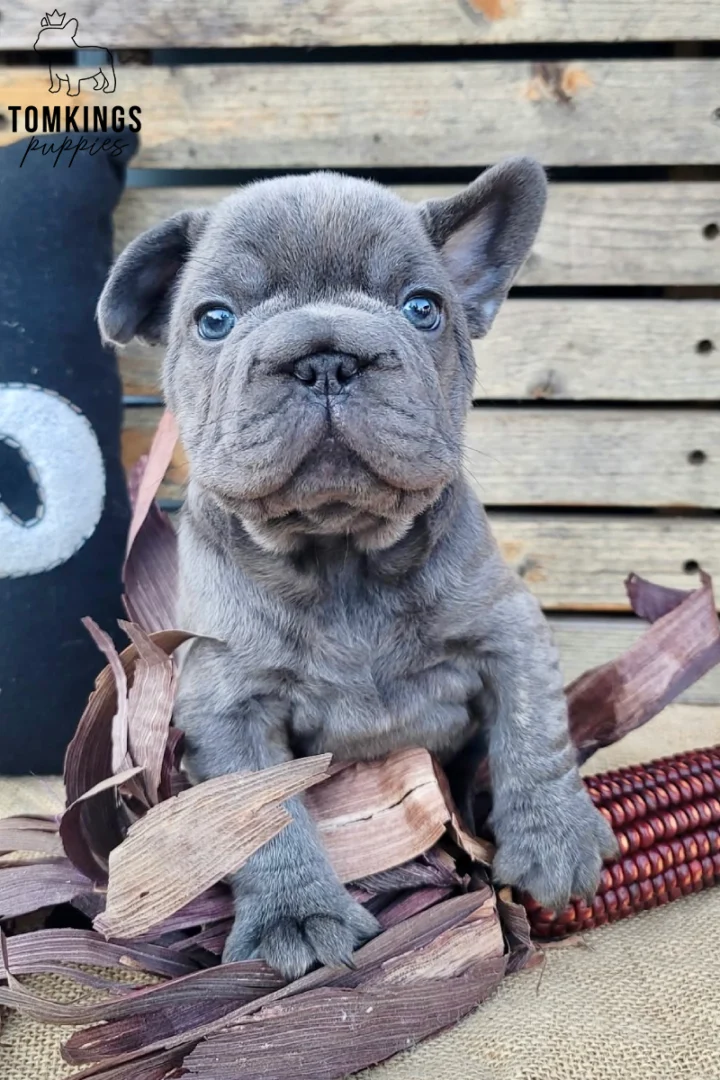
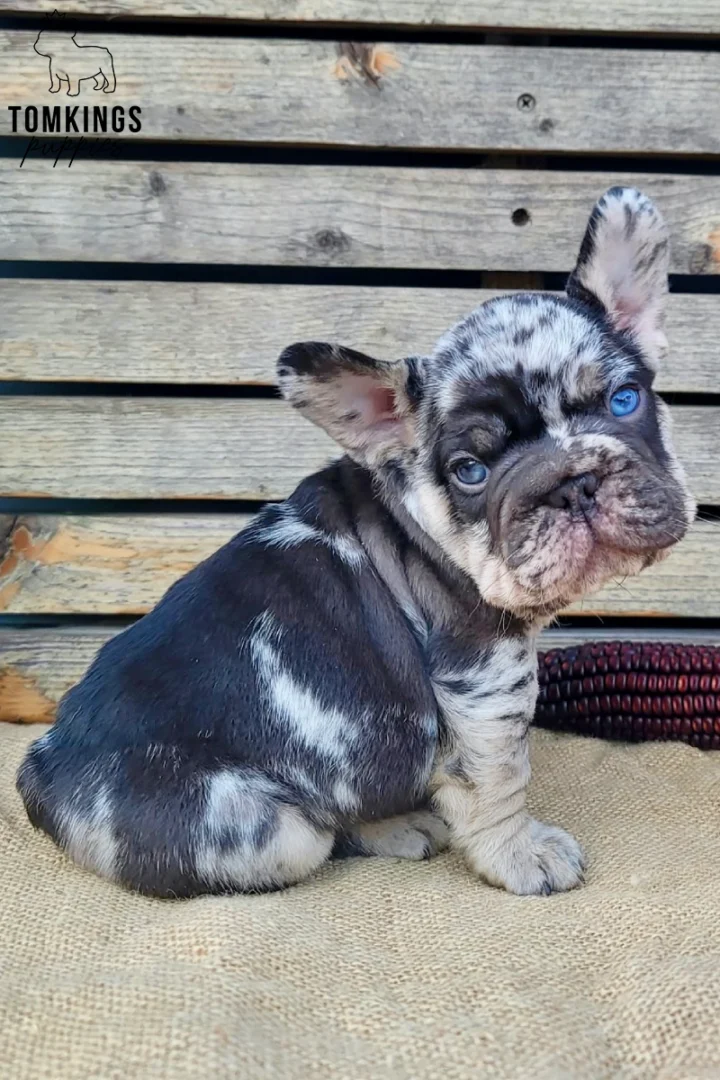
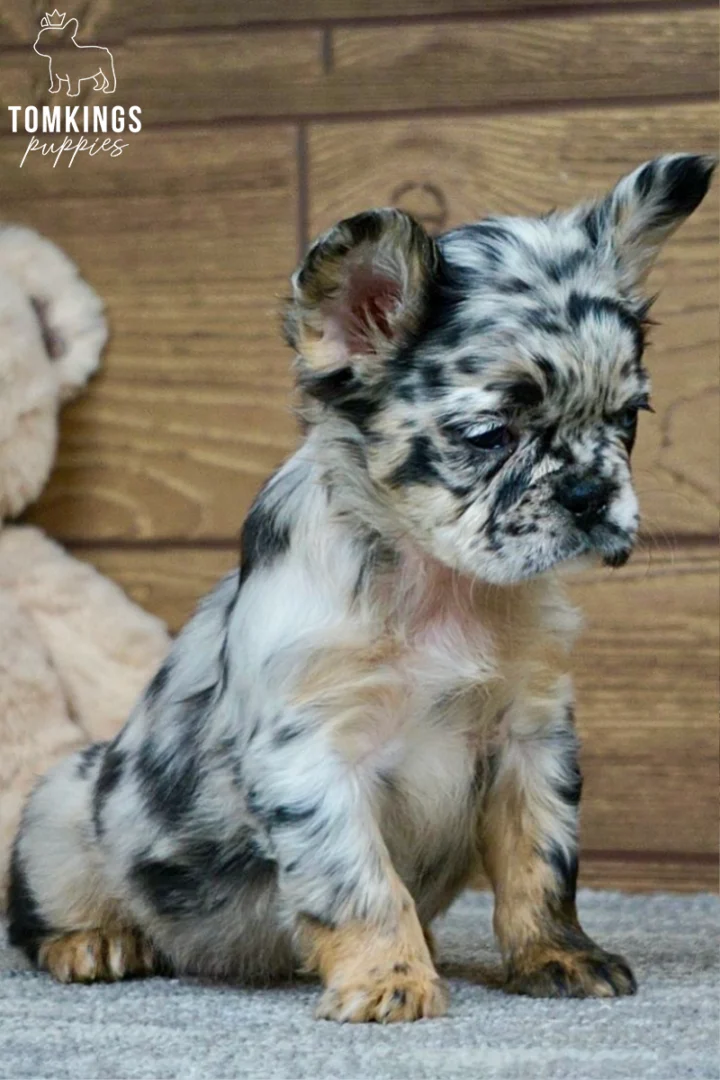
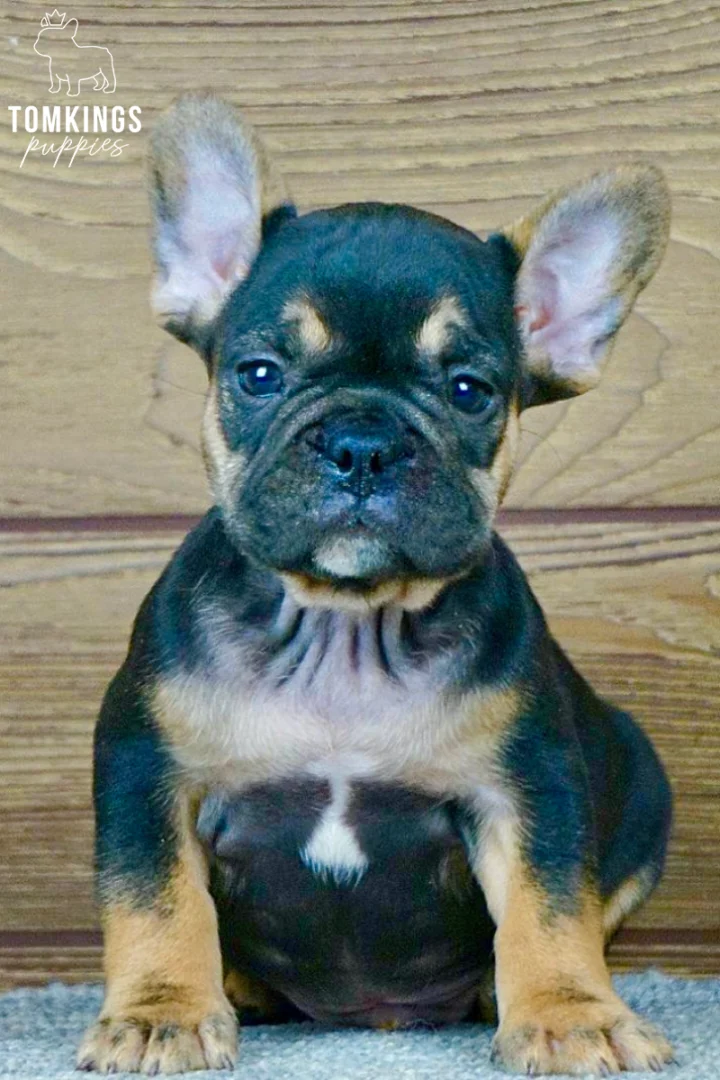
The article is based on the expert knowledge of the TomKings team who have been breeding French Bulldogs for 15 years. All the pictures in the post belong to them and their customers, and show puppies from their breed. Check their available French Bulldog puppies, or if you have any questions or comments let us know below the article.