Wondering what the best dog breeds for seniors really are? Most people aren’t looking for a “perfect” dog, they’re looking for the right little one for their home and their pace. A furry family member who’s happy to share a slow morning coffee, a short walk and a cozy afternoon nap can bring comfort in a way that’s hard to explain until you’ve lived it.
At TomKings, we’ve watched thousands of families build that bond. In the TomKings Frenchie Family, seniors often talk about how their French Bulldog fits beautifully into a calmer routine. We’ll explain why and we’ll also cover the 20 best dog breeds for seniors.
Key Takeaways
- The best senior-friendly companions are usually calm, people-focused and easy to care for at home.
- A good match depends on your routine, energy and grooming tolerance, not what’s trendy.
- The right furry family member can bring routine, comfort and a lot of daily joy.
What Characteristics Make a Dog Good for the Elderly?
For most seniors, the best match is a calm companion who feels easy to live with. A friendly, people-loving personality is a big deal, because you want a little one who enjoys being close and doesn’t get stressed easily.
Low to medium energy is usually the sweet spot. Short walks, a little play and relaxed days at home should be enough. Trainability helps too, since good leash manners and simple routines make everyday life smoother.
Finally, keep care needs in mind. Grooming, shedding and common health issues can add time and cost, so the best choice is a furry family member you can care for comfortably.

Benefits of Adopting a Senior Dog for a Senior or Retiree
Adopting a senior dog can be a wonderful, low-stress option. Many older companions are already calmer, more settled and used to home life, so the adjustment can feel easier than raising a puppy.
It’s also easier to know what you’re getting, since their size, personality and energy level are usually clear. If you want a gentle cuddle buddy who enjoys quiet company and short walks, a senior dog can be a beautiful match.
Here is what Lynn, a TomKings Frenchie Family member shared:

Best Dog Breeds for Seniors
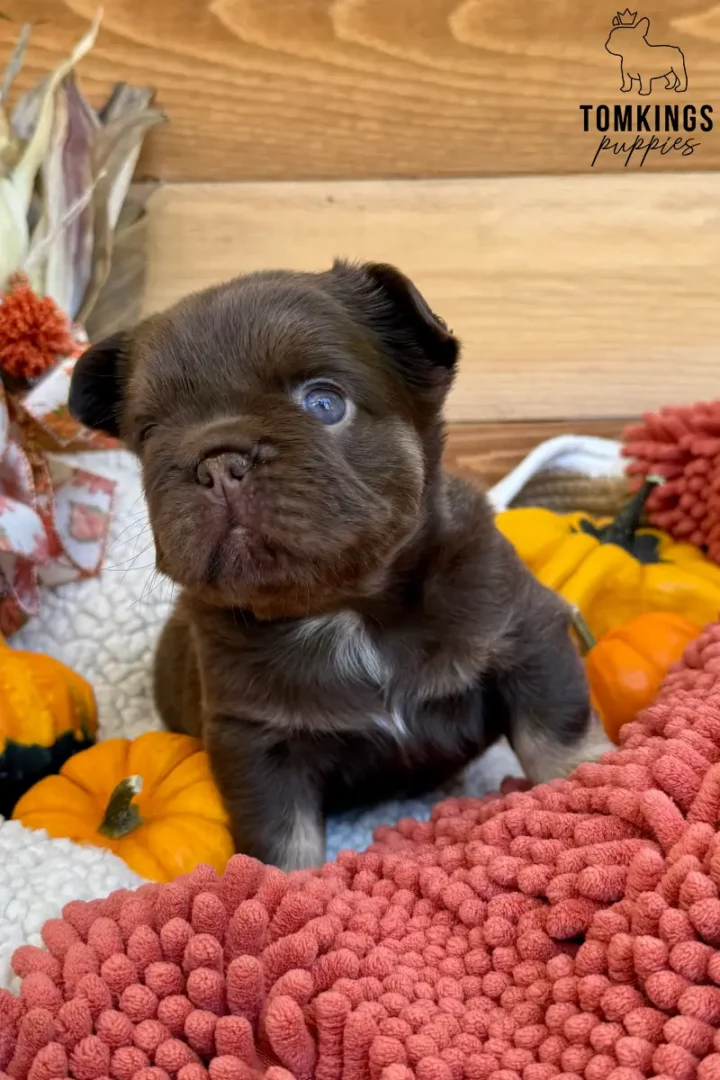
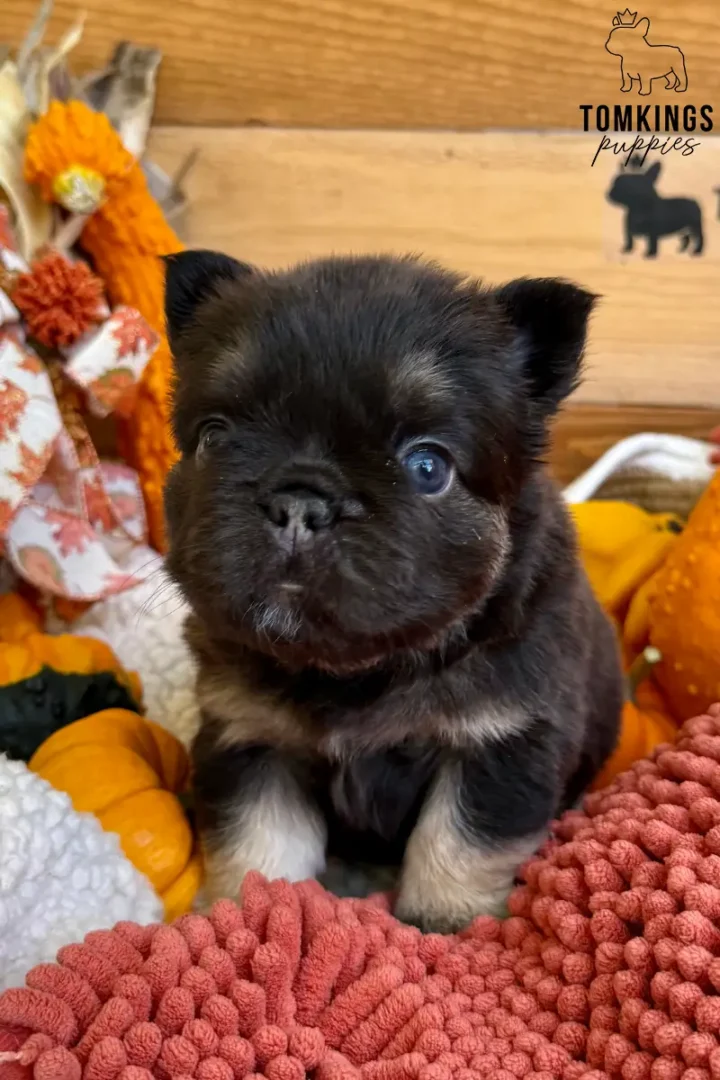
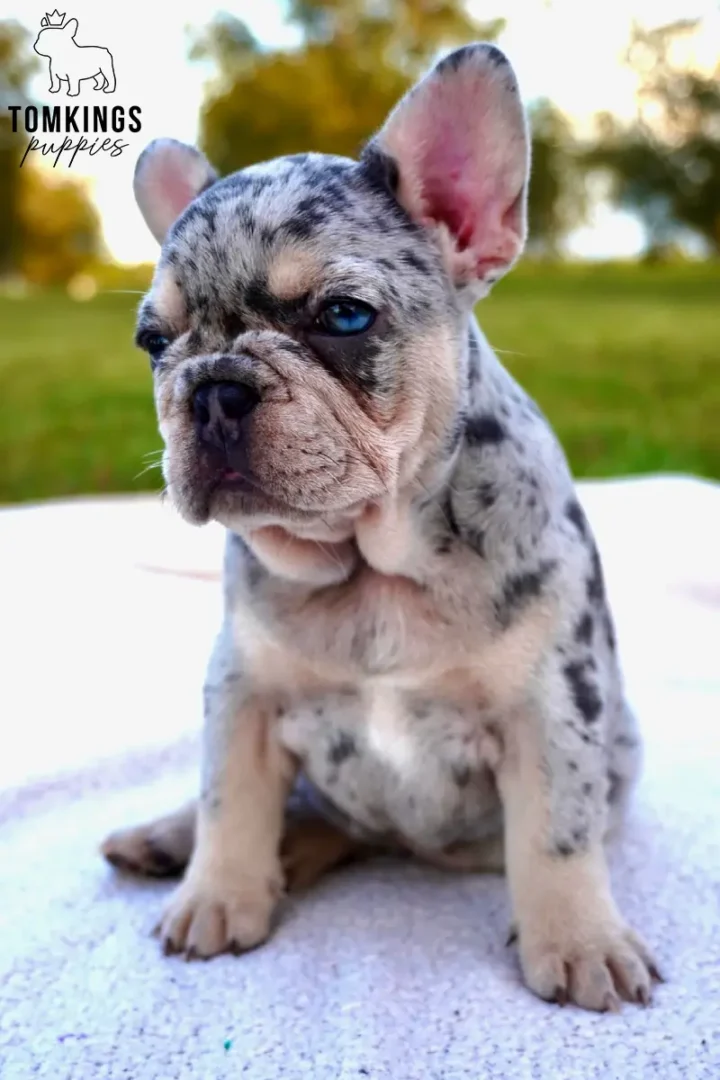
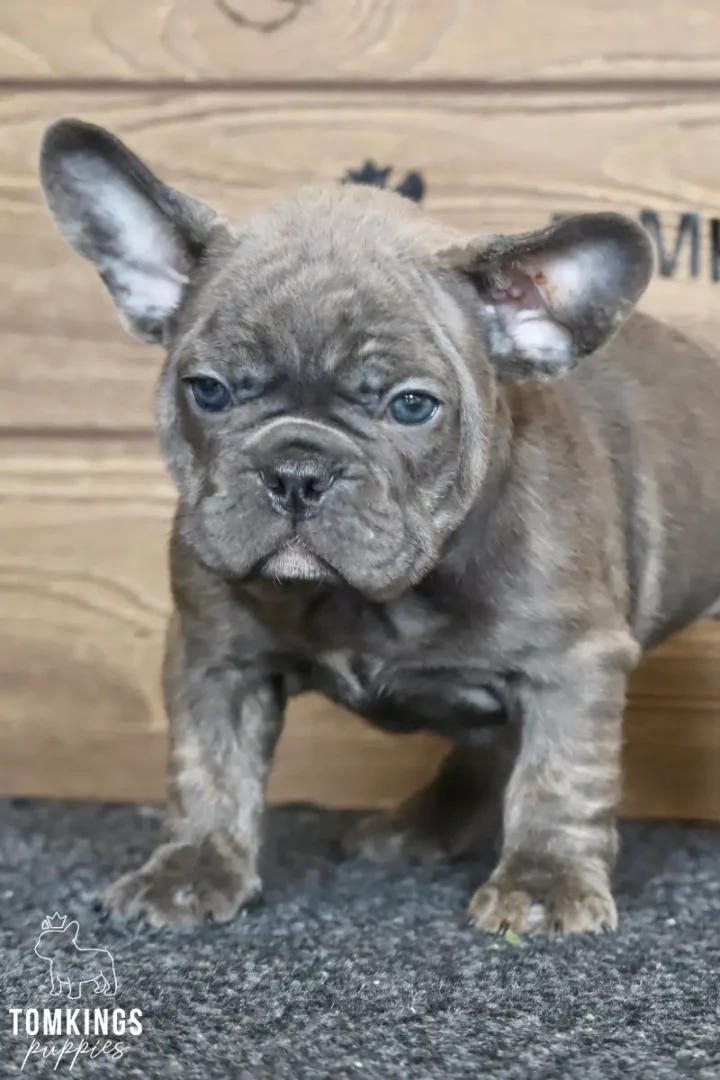
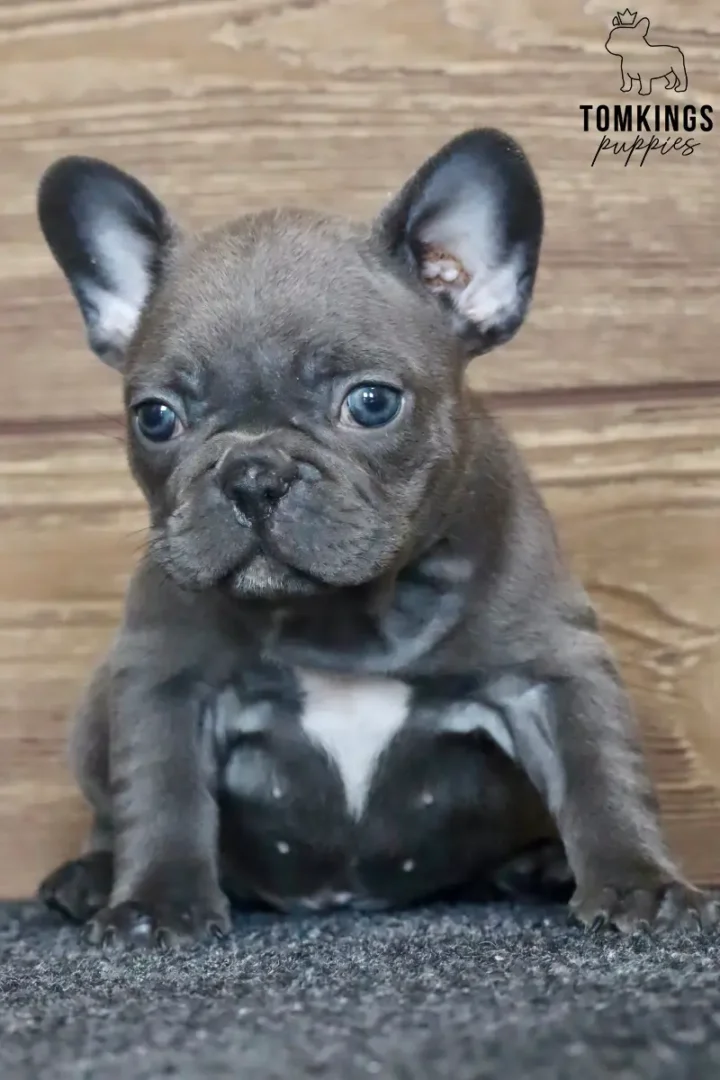
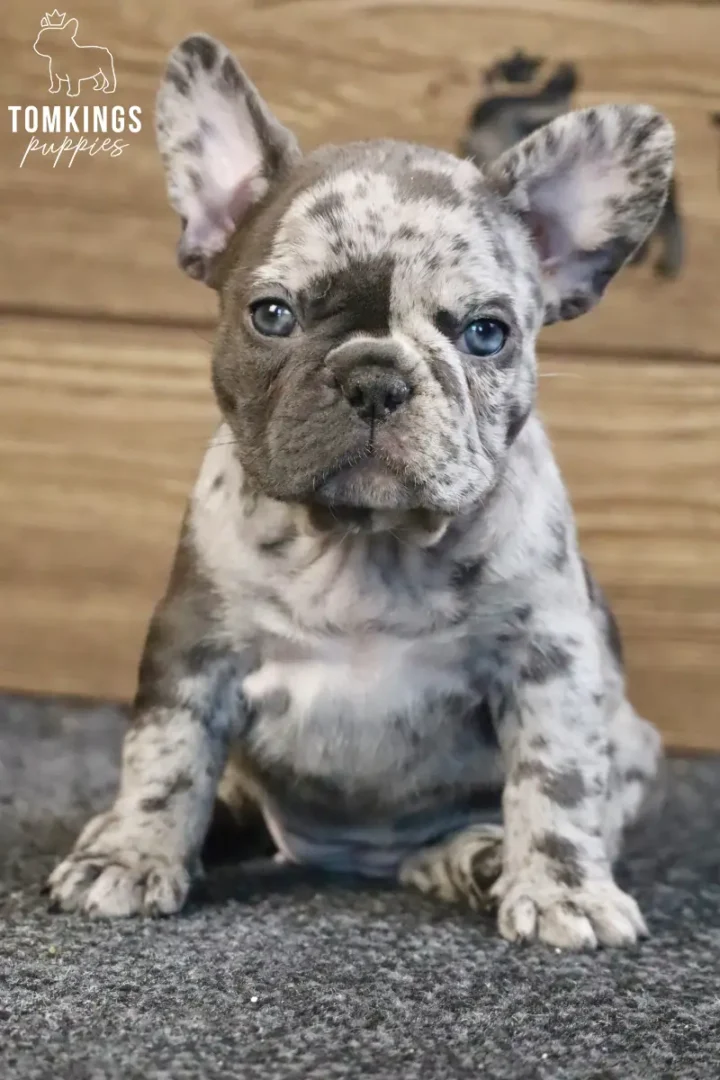
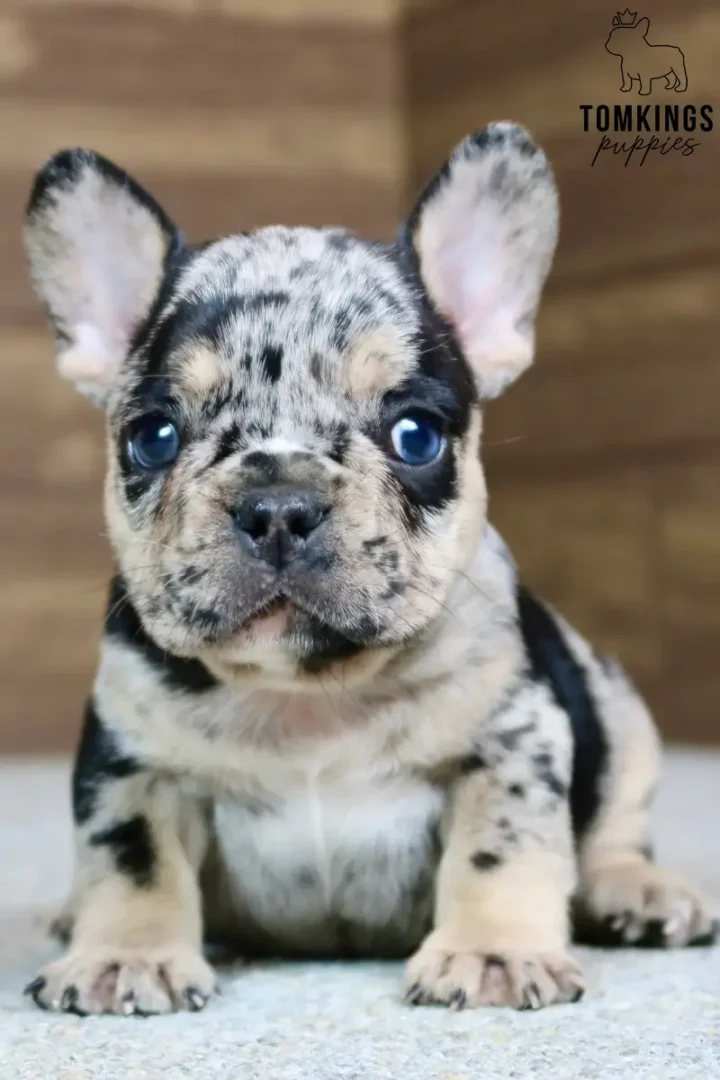
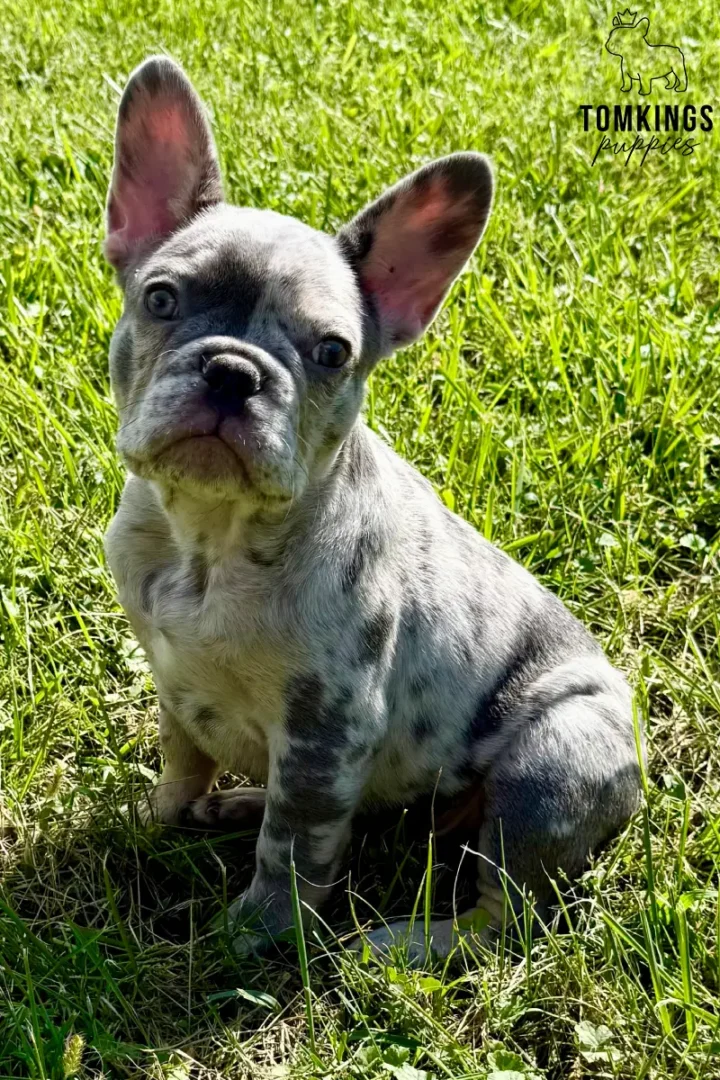
French Bulldog
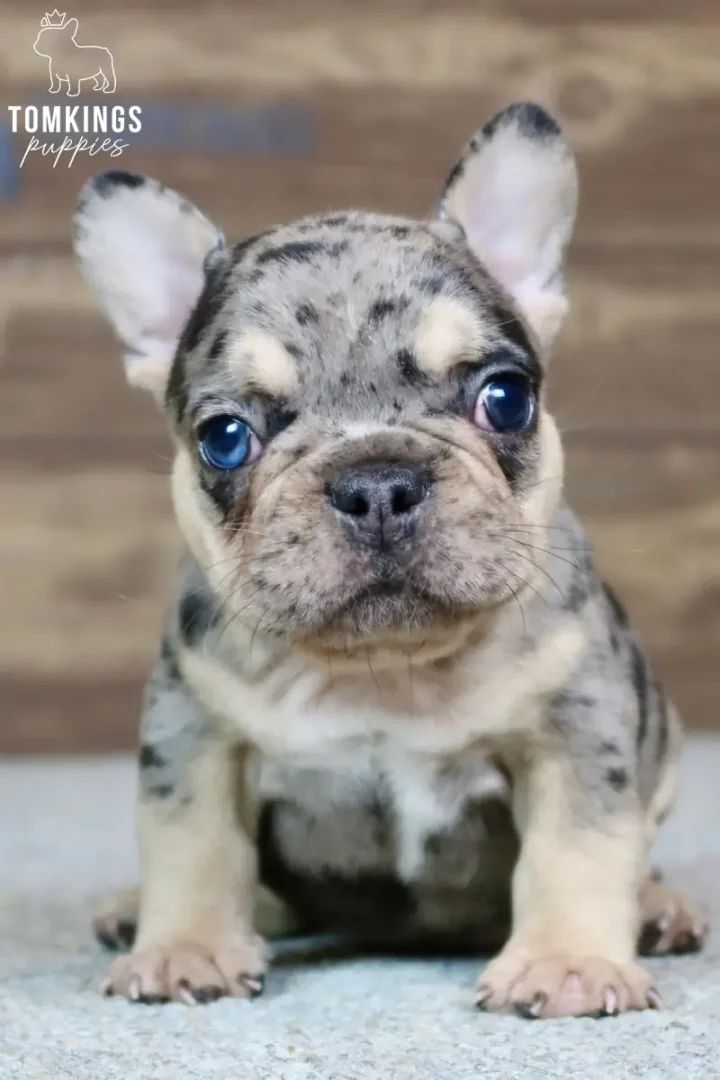
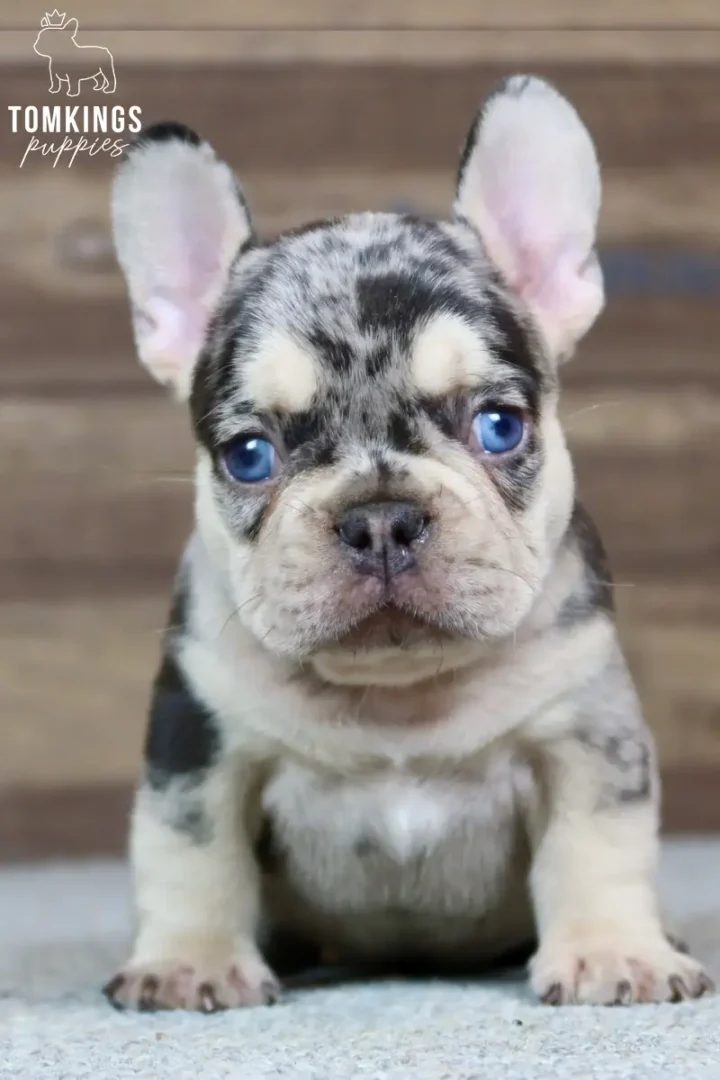
Frenchies are one of the best dog breeds for seniors because their personality is truly built for companionship. In the TomKings Frenchie Family, we’ve seen it many times: a Frenchie doesn’t just live in your home, they stick to you like a true “velcro dog.” They love cuddling, they give plenty of affection and they’re happiest with a calm routine: a couple of short walks, a little gentle play, then lots of cozy time close to you.
They’re also compact and sturdy, which makes day-to-day handling easier than with many larger breeds. And they really are little clown dogs, they’ll make you laugh with their silly sounds and goofy habits, even on a quiet day. They do best in a home where they get plenty of time with their parents.

Why it’s great: A calm, affectionate companion that loves being close
Energy level: Low to medium
Best for: Apartment living, relaxed routines, seniors who want a true cuddle buddy
Considerations: Heat sensitivity, possible breathing concerns, doesn’t love long alone time
Cavalier King Charles Spaniel
Cavaliers are gentle lap dogs who enjoy short walks and lots of closeness and they usually adapt easily to home life.

Cavalier King Charles Spaniel. Source: AKC.org
Why it’s great: Sweet temperament and easy companionship
Energy level: Low to medium
Best for: Seniors who want a calm lap dog with light daily activity
Considerations: Regular brushing, choose health-tested lines
Shih Tzu
The Shih Tzu is a sturdy toy breed with a long, flowing coat and a sweet, friendly expression. Originally bred as a royal companion in China, they are affectionate, calm, and enjoy spending time close to their families.

Shih Tzu. Source: AKC.org
Why it’s great: Calm, affectionate and home-friendly
Energy level: Low
Best for: Quiet households and lots of cuddle time
Considerations: Grooming needs, can be heat sensitive
Toy Poodle
The Toy Poodle is an elegant and intelligent breed, instantly recognized for its curly coat that can be styled in many ways. They are quick learners, highly trainable, and love to please their owners, making them popular both as companions and performers.

Toy Poodle. Source: AKC.org
Why it’s great: Highly trainable and often low shedding
Energy level: Medium
Best for: Seniors who enjoy simple training and structured routines
Considerations: Regular grooming and coat care
Bichon Frise
The Bichon Frise is a cheerful little dog with a soft, curly white coat that makes it look like a fluffy cotton ball. They are playful, curious, and outgoing, often charming everyone they meet with their happy-go-lucky personality
Why it’s great: Happy, social companion that loves closeness
Energy level: Medium
Best for: Seniors who want a friendly, upbeat little one
Considerations: Grooming, may dislike being alone too long

Bichon Frise. Source: greatpetcare.com
Maltese
The Maltese is a charming toy breed with a long, silky white coat that flows to the ground. Known for its lively and affectionate personality, this little dog has been a beloved companion for centuries.

Maltese. Source: dogsaustralia.org.au
Why it’s great: Gentle, small and affectionate
Energy level: Low
Best for: Seniors wanting a quiet cuddle buddy
Considerations: Grooming, fragile build, can be vocal if bored
Pug
Pugs are affectionate and silly in the best way. Most are happy with short walks. They also love nap time.

Pug. Source: AKC.org
Why it’s great: Very people-focused and easygoing
Energy level: Low to medium
Best for: Cozy homes and lots of together time
Considerations: Heat sensitivity, breathing concerns, weight management
Boston Terrier
Boston Terriers are small but sturdy dogs that make excellent apartment pets. They have a low energy level and are easy to train.

Boston terrier. Source: dailypaws.com
Why it’s great: Small, sturdy and adaptable
Energy level: Medium
Best for: Seniors who want a calm but playful companion
Considerations: Heat sensitivity, training consistency helps
Chihuahua
The Chihuahuas is famous for its tiny body, large round eyes, and oversized ears that stand tall on its head. Despite their size, they are bold, confident, and often act as if they are much bigger than they really are.

Chihuahua. Source: AKC.org
Why it’s great: Low exercise needs and strong bond
Energy level: Low
Best for: Quiet homes and seniors wanting a tiny companion
Considerations: Can be vocal, fragile, may be wary of strangers
Pomeranian
These small dogs are known for their fluffy coat and friendly personality. They do require regular grooming and exercise, but their small size makes them perfect for seniors.

Pomeranian. Source: dogster.com
Why it’s great: Lively, engaging and affectionate
Energy level: Medium
Best for: Seniors who enjoy a spunky small companion
Considerations: Brushing needs, can bark if under-stimulated
Dachshund
Dachshunds are affectionate and funny, often happiest with sniffy walks and lots of cozy time at home.

Dachshund. Source: AKC.org
Why it’s great: Loyal companion with a big heart
Energy level: Low to medium
Best for: Seniors who want a cuddly companion with moderate walks
Considerations: Back care is important, avoid jumping, watch weight
Cocker Spaniel
Cockers are sweet and people-oriented and they can be a lovely match if you’re comfortable with moderate activity.

Szotyi the Cocker Spaniel
Why it’s great: Gentle nature and strong family bond
Energy level: Medium
Best for: Seniors who enjoy daily walks and some play
Considerations: Grooming, can be sensitive, needs gentle handling
Beagle
Beagles are friendly and social. Many enjoy a steady walking routine. This can be a great fit if you like getting outdoors daily.

Beagle. Source: orvis.com
Why it’s great: Cheerful companion for daily walks
Energy level: Medium
Best for: Seniors who enjoy a consistent walking routine
Considerations: Strong scent drive, can be vocal, leash training matters
Havanese
Havanese are affectionate, adaptable companions who often thrive in calm homes where they get plenty of attention.

Havanese. Source: AKC.org
Why it’s great: Sweet personality and easy home life
Energy level: Low to medium
Best for: Seniors who are home often and want a close companion
Considerations: Grooming, may struggle with long alone time
Greyhound
Greyhounds often surprise people. Even though they look athletic, many are calm, gentle companions at home who love relaxing close to their people after a short daily walk.
Greyhound. Source: Getty Images
Why it’s great: Quiet, polite, and usually very easygoing indoors
Energy level: Low to medium
Best for: Seniors who want a calm companion and prefer a peaceful home
Considerations: Strong chase instinct, leash safety matters, may need a coat in cold weather
West Highland White Terrier
A Westie is a sturdy little companion with a cheerful personality and a love for daily walks.
West Highland White Terrier. Source: borrowmydoggy.com
Why it’s great: Small, confident and very fun to live with
Energy level: Medium
Best for: Seniors who enjoy a steady routine and regular short walks
Considerations: Can be stubborn or vocal, may chase small animals, needs regular grooming
Labrador Retriever
Labs are friendly and trainable and they can be wonderful for active seniors who truly enjoy daily longer walks.
Why it’s great: Loyal, trainable family companion
Energy level: Medium to high
Best for: Active seniors who want a bigger companion
Considerations: Needs consistent exercise, can be strong on leash
Yorkshire Terrier
The Yorkshire Terrier, or Yorkie, is a glamorous toy breed with a long, silky coat that often reaches the floor. Beneath their elegant look, they are spirited, brave, and full of energy, making them both stylish companions and fearless little watchdogs.
Yorkshire Terrier. Source: AKC.org
Why it’s great: Small, affectionate and easy to include in everyday life
Energy level: Low
Best for: Seniors who want a close companion and prefer shorter walks
Considerations: Can be vocal, needs regular grooming, tiny ones can be fragile
Basset Hound
Bassets are relaxed and affectionate. Many do well with slower sniffy walks. They also love a calm home routine.
Basset Hound. Source: AKC.org
Why it’s great: Laid-back companion with a sweet nature
Energy level: Low
Best for: Seniors who want an easygoing walking buddy
Considerations: Stubborn streak, ear care, weight management
Pembroke Welsh Corgi
Corgis are smart and charming. They can be great if you still enjoy daily walks and a little training.
Pembroke Welsh Corgi. Source: AKC.org
Why it’s great: Sturdy, bright and engaging
Energy level: Medium
Best for: Seniors who want a fun companion and steady routine
Considerations: Shedding, needs training, can be vocal
5 Dog Breeds to Avoid for Seniors
Not every senior will struggle with these breeds, but many do. The common issue is usually the same: they’re either very high-energy, very strong on leash, or they need serious daily training to stay balanced. If you want an easier, calmer routine, these breeds can be a tougher match.
Belgian Malinois
A brilliant working breed that needs a job every day. Without lots of training and exercise, they can become restless and hard to manage.
Belgian Malinois. Source: AKC.org
Siberian Husky
Friendly and fun, but often pulls on leash and loves to roam. Many Huskies need more daily activity than most retirees want.
Siberian Husky. Source: AKC.org
German Shepherd
Loyal and smart, but powerful and protective. They usually require consistent training and confident leash handling.
German Shepherd. Source: AKC.org
Border Collie
Incredibly intelligent, but they need constant mental work and physical outlets. If they’re under-stimulated, they can bark, pace, or develop anxious habits.
Border Collie. Source: AKC.org
Jack Russell Terrier
Small but intense. They’re quick, stubborn and often noisy, with a strong chase instinct that can make walks challenging.
Jack Russell Terrier. Source: AKC.org
Cost of Owning a Dog on a Fixed Income
When you’re choosing a furry family member for your home, the monthly budget matters just as much as personality. Even an easygoing companion comes with ongoing costs and it’s better to plan for them upfront than feel surprised later. In the US, the total can vary a lot based on size, health and where you live, but these categories are the ones that usually shape your yearly budget.
Food
Smaller companions usually cost less to feed than medium or large breeds. A reasonable estimate for many small to medium dogs is $300 to $800 per year, depending on quality and dietary needs.
Grooming
Short-coated breeds may only need basic bathing and nail trims, while long-coated or curly-coated breeds can need regular professional grooming. Plan around $0 to $900 per year, depending on coat type and how often you visit a groomer.
Vet care
Routine care includes yearly checkups, vaccines, parasite prevention and dental checks. Even with a healthy dog, many families spend $500 to $1,500 per year on basic veterinary care. It can be higher if your little one needs dental work or ongoing medication.
Pet insurance
Insurance can help smooth out surprise costs. Many plans fall around $30 to $70 per month, so roughly $360 to $840 per year, depending on age, breed and coverage.
Average annual cost estimate
For many seniors with a small to medium companion, a realistic ballpark is $1,200 to $3,500 per year. A simple way to keep costs comfortable is to choose a breed with lower grooming needs, stay consistent with preventative care and avoid picking a high-risk match for your lifestyle.
Choosing the Best Dog for Your Lifestyle
Even when you’ve found the “perfect” breed on paper, the best choice is the one that fits your real daily life. Before you decide, picture an average week. How many walks feel comfortable? How much grooming are you truly willing to keep up with? And do you want a playful buddy, or a quiet shadow who’s happy to nap nearby?
Here are a few simple tips that help seniors make a confident choice:
- Be honest about energy. If you prefer calm days, pick a low to medium energy companion. A high-energy breed can turn daily life into a workout.
- Choose a manageable size. Smaller dogs are often easier to lift, travel with and handle on leash, but very tiny dogs can be fragile. Aim for what feels safe for you.
- Think about your home setup. Apartments often do best with quieter breeds that don’t need a yard. If stairs are part of your home, avoid breeds with back issues or choose a plan to limit jumping.
- Plan for grooming and shedding. If brushing feels like a chore, pick a short-coated breed. If you don’t mind regular grooming, curly or long-coated companions can still be a great fit.
- Make walks feel safe. Leash manners matter. A strong puller can increase fall risk, so prioritize gentle temperament and trainability.
If you choose based on lifestyle first, you’ll end up with a furry family member that feels like a natural part of your home, not a daily struggle.
If you’d like to read real stories from Frenchie parents and ask questions in a friendly community, join TomKings Frenchie Family. And if you’re hoping to welcome a Frenchie into your home, you can also check out our available puppies.
Did you like the article? Save it to your bookmarks so you can easily find it again anytime!
FAQ
Which dog breeds are best for seniors?
Calm, people-focused breeds with low to medium energy are often the best fit, especially if they’re easy to handle and enjoy a relaxed routine.
What is the best small dog for seniors?
Many seniors love small companions like the French Bulldog, Cavalier King Charles Spaniel, Shih Tzu, or Maltese because they’re manageable and affectionate.
What is the best medium sized dog for seniors?
Good medium options often include calmer individuals of breeds like the Cocker Spaniel, Basset Hound, or Whippet, depending on walking comfort and energy level.
What is the easiest dog for seniors?
The easiest match is usually a calm companion with simple grooming needs and good leash manners, especially one that enjoys predictable routines.
Should a 70 year old person get a puppy?
A puppy can be wonderful, but it’s more work upfront. Many seniors find an adult or senior dog easier because their personality and energy level are already clear.
What is the best dog for a 70 year old?
It depends on lifestyle, but many people over 70, do best with a gentle, low to medium energy companion that’s easy to handle and loves closeness.
What are the calmest dog breeds?
French Bulldogs, Cavaliers, Shih Tzus and Basset Hounds, especially when matched with a calm individual.
What is the best pet for an 80 year old?
Many 80-year-olds do well with a calm, easy-care companion, or even a senior dog who enjoys quiet company and short daily walks.