Are you considering getting a dog but don’t know where to start? Choosing the right breed can be a daunting task, especially if you live in a smaller home or apartment. In our experience, the key is not to find a “perfect” breed in general, but the right fit for your home, energy level and daily routine. Many different breeds can be wonderful house dogs if their needs match your lifestyle.
In this article, we will give you a clear list of the 35 best house dog breeds. We’ll divide them into four categories: small house dog breeds, best medium breeds, best large house dog breeds and hypoallergenic dogs. We’ll also give you five tips to choose the best dog breed for your housing situation, size, energy level, shedding, trainability and price. By the end, we’re sure you’ll find the perfect match for you and your family!
Key Takeaways
- Many different breeds can be great house dogs if their size, energy level and temperament match your lifestyle.
- Small, medium, large and hypoallergenic dogs each have pros and cons for indoor living.
- Before choosing a breed, always consider your home size, activity level, budget and grooming tolerance.
- Proper research (not just looks) is the key to finding a healthy, compatible house dog.
5 Tips to Choose the Best Dog Breed for You
Adopting a dog is a significant commitment, and it’s essential to choose the right breed for your lifestyle and housing situation. Here are five tips to help you choose the best dog breed for you.

1. Consider Your Housing Situation
The first thing to consider when choosing a dog breed is your housing situation. If you live in a small apartment, you may want to consider a smaller dog breed that doesn’t require as much space to run around. If you have a larger home with a yard, you may want to consider a larger dog breed that can handle the extra space.
2. Think About Size
Size matters when it comes to choosing a dog breed. Do you want a dog that you can easily pick up and carry around with you, or do you want a dog that will grow to be a larger, more imposing presence? Keep in mind that larger dogs will require more food, space, and exercise.
3. Evaluate Energy Level
Some dog breeds are more active and need more exercise than others. If you are not an active person, you may want to consider a breed that doesn’t require as much exercise. On the other hand, if you enjoy spending time outdoors and want a furry companion to accompany you on adventures, an active breed may be a better fit.
4. Consider Shedding
If you or someone in your household is allergic to dogs, you may want to consider a hypoallergenic dog breed that doesn’t shed as much as other breeds. Otherwise, be prepared for lots of shedding and regular grooming. Keep in mind that dogs with longer hair or double coats will require more grooming than those with shorter hair.

5. Think About Trainability
Some dog breeds are easier to train than others. If you are a first-time dog owner or want a dog that is easy to train, consider a breed that is known for its trainability. Breeds like Golden Retrievers and Labrador Retrievers are typically easy to train and eager to please.
Choosing the right dog breed is an important decision, but it can also be a fun and exciting one! Take the time to research different breeds and consider your lifestyle and needs. With a little bit of effort and patience, you’ll find the perfect furry friend to welcome into your home.
Small House Dog Breeds
Small dog breeds are an excellent choice for people who live in smaller homes or apartments. These breeds are typically small in size and don’t require as much space or exercise as larger breeds. This makes them ideal for anyone with limited living space. Despite their size, they can still provide the love, companionship, and loyalty that all dog owners crave.
What are the benefits of choosing a small house dog?
One of the benefits of having a small house dog is that they are often low-maintenance. They require less food, and their smaller size makes them easier to groom and clean up after. Small house dogs can also be great companions for those who are less active, as they don’t require as much exercise as larger breeds. Many small dog breeds are also known for their affectionate personalities and love to be near their owners at all times.
Overall, small house dog breeds are an excellent choice for those who want a furry friend but have limited living space. They are low-maintenance, affectionate, and can provide a lot of love and companionship despite their small size.

Which small breeds are especially well-suited for apartments?
Some popular small house dog breeds include the Chihuahua, French Bulldog, Pomeranian, and Boston Terrier. Each of these breeds has its own unique personality and characteristics, but they all make excellent pets for those who live in smaller homes or apartments.
Now, let’s take a look at our favorite small house dog breeds!
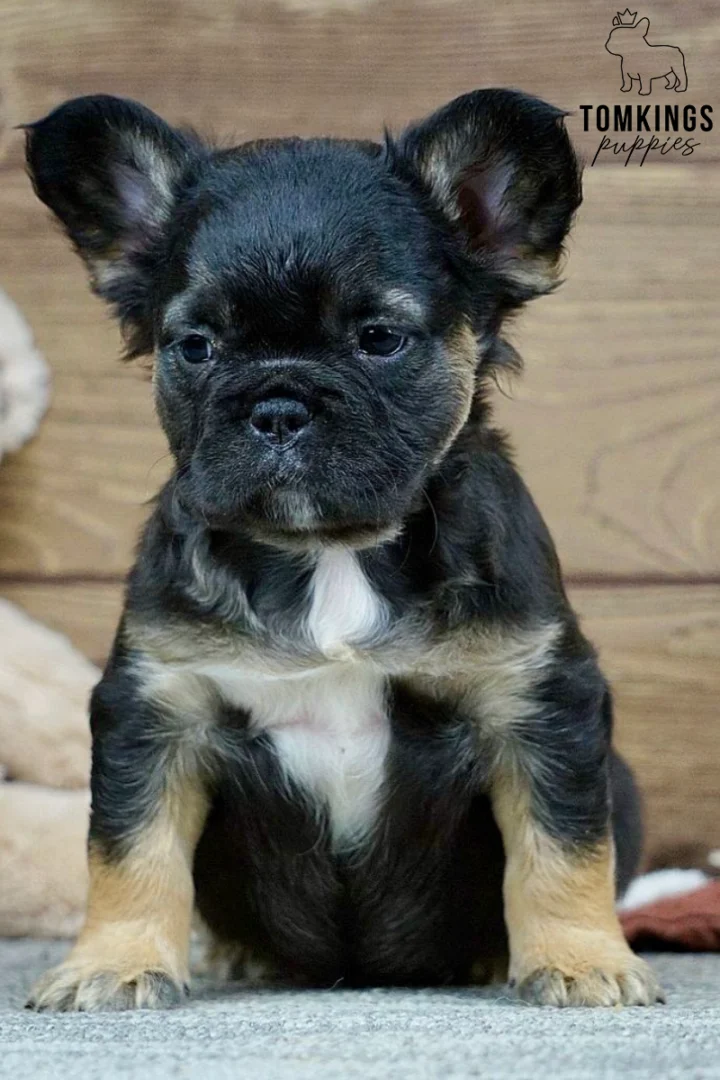
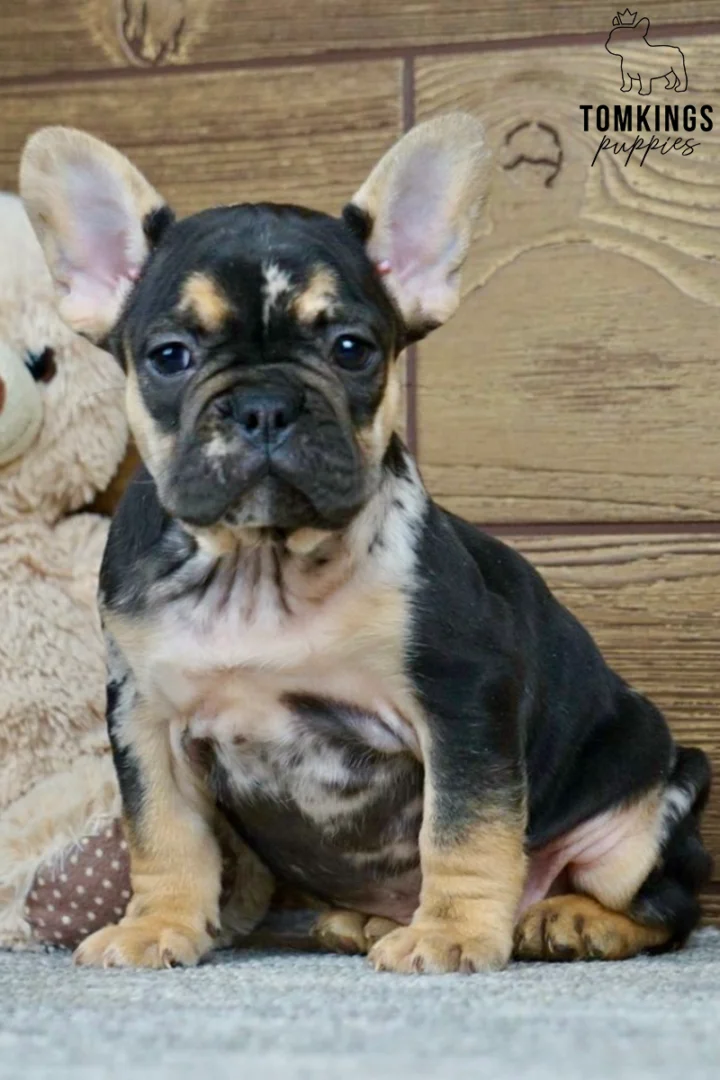
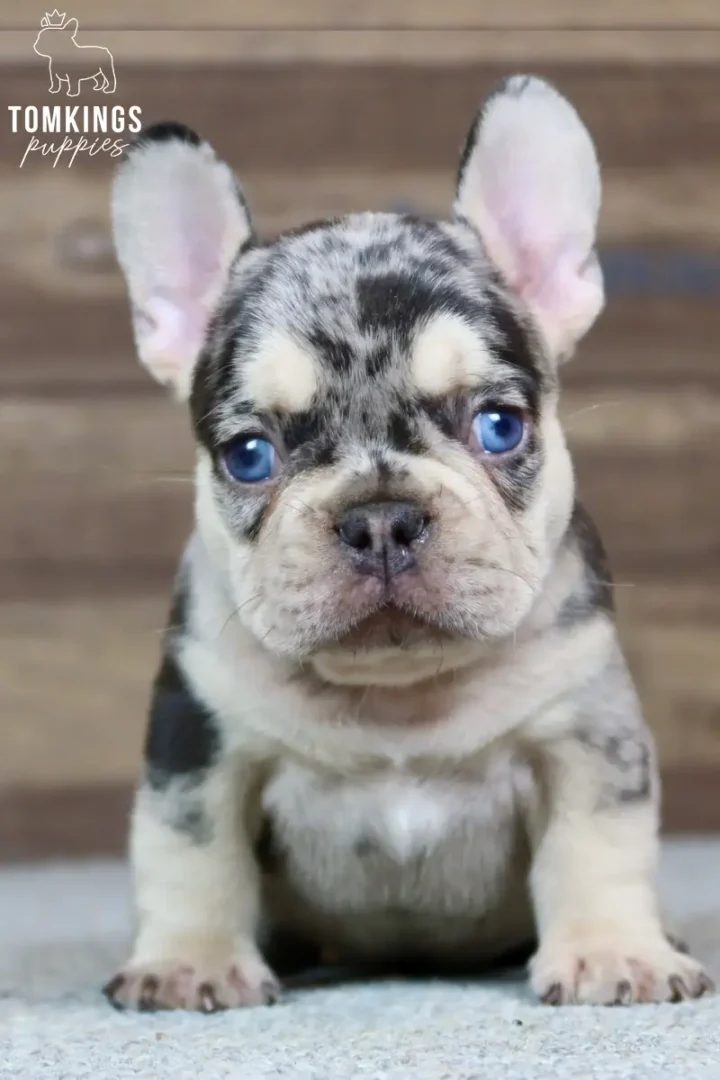
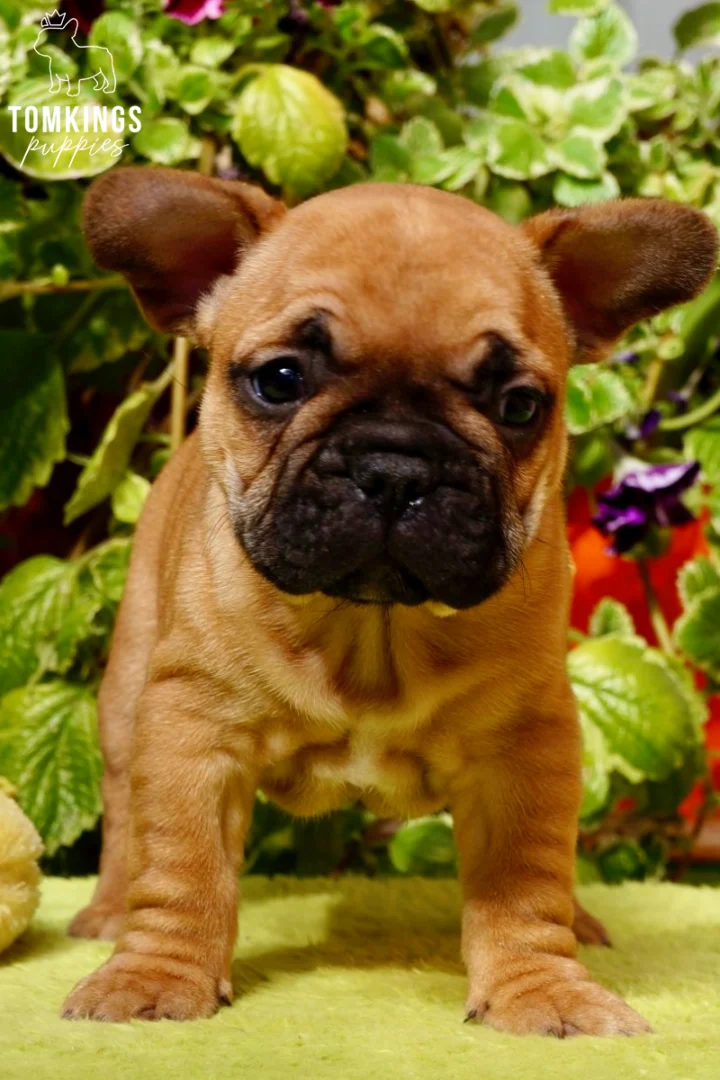
1. French Bulldog
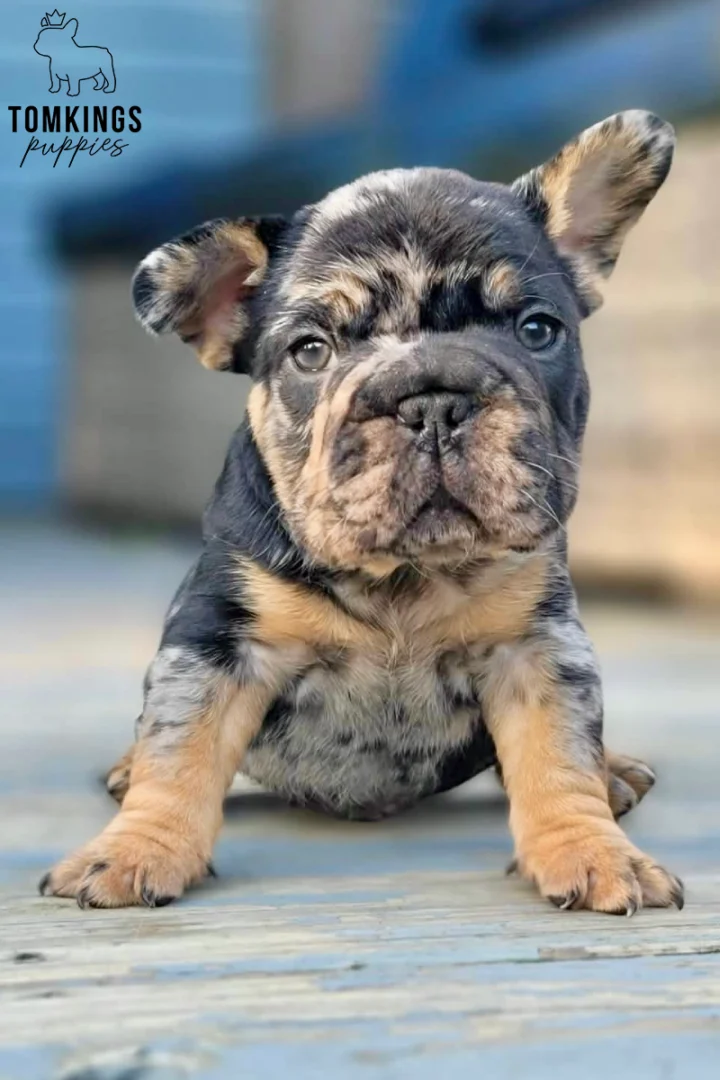
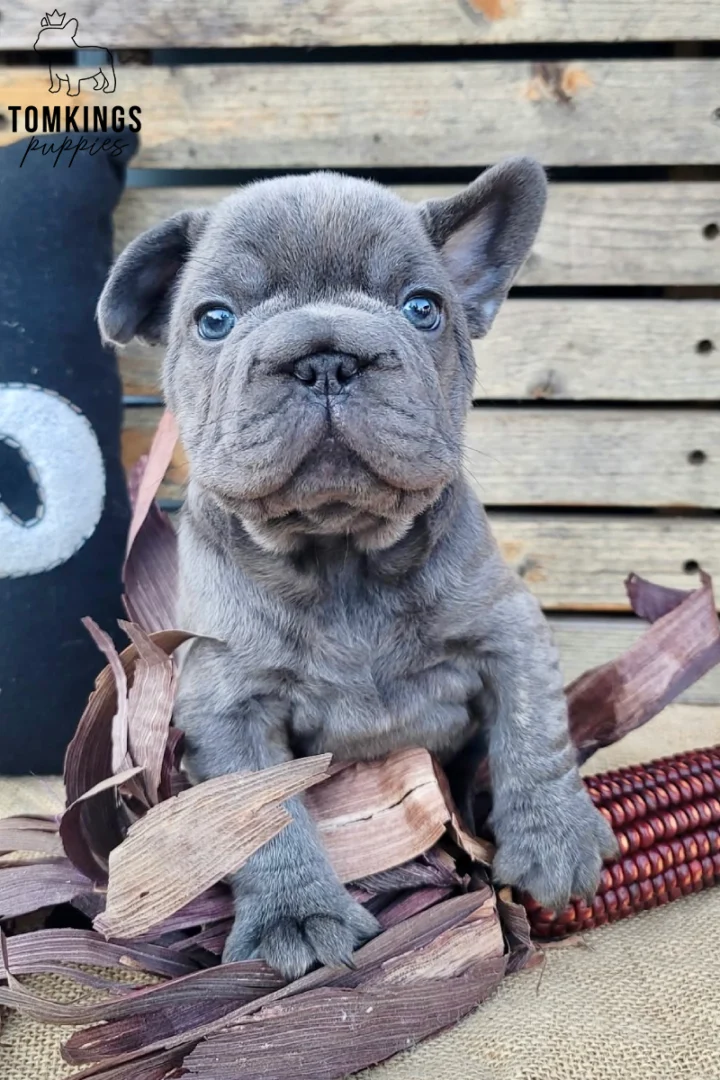
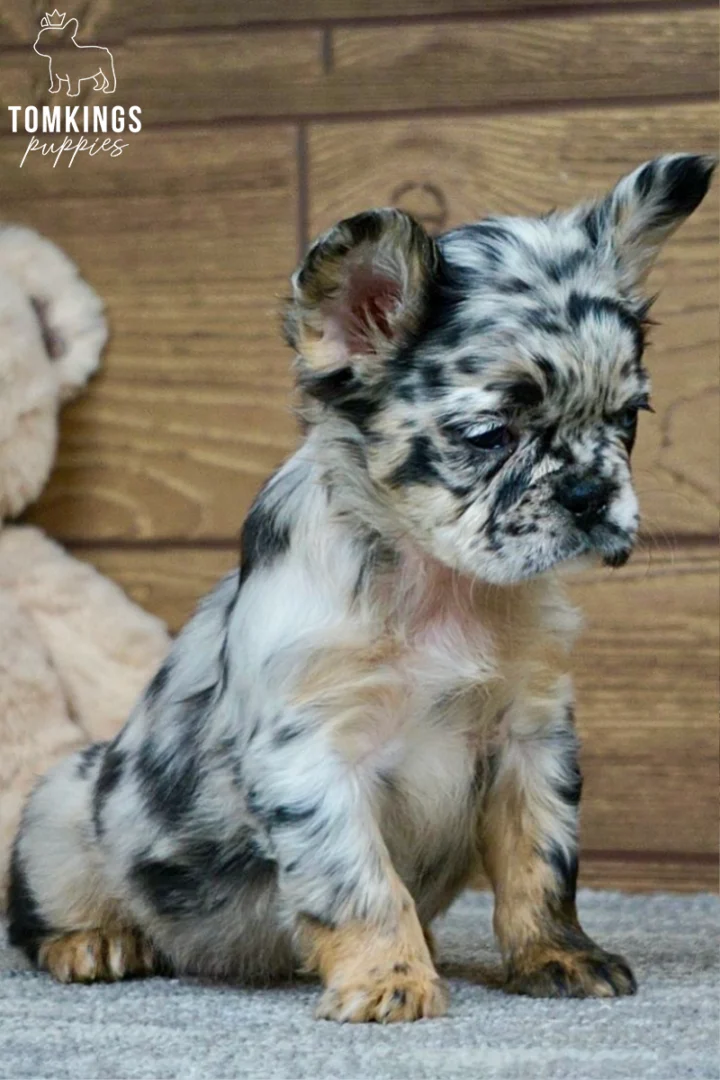
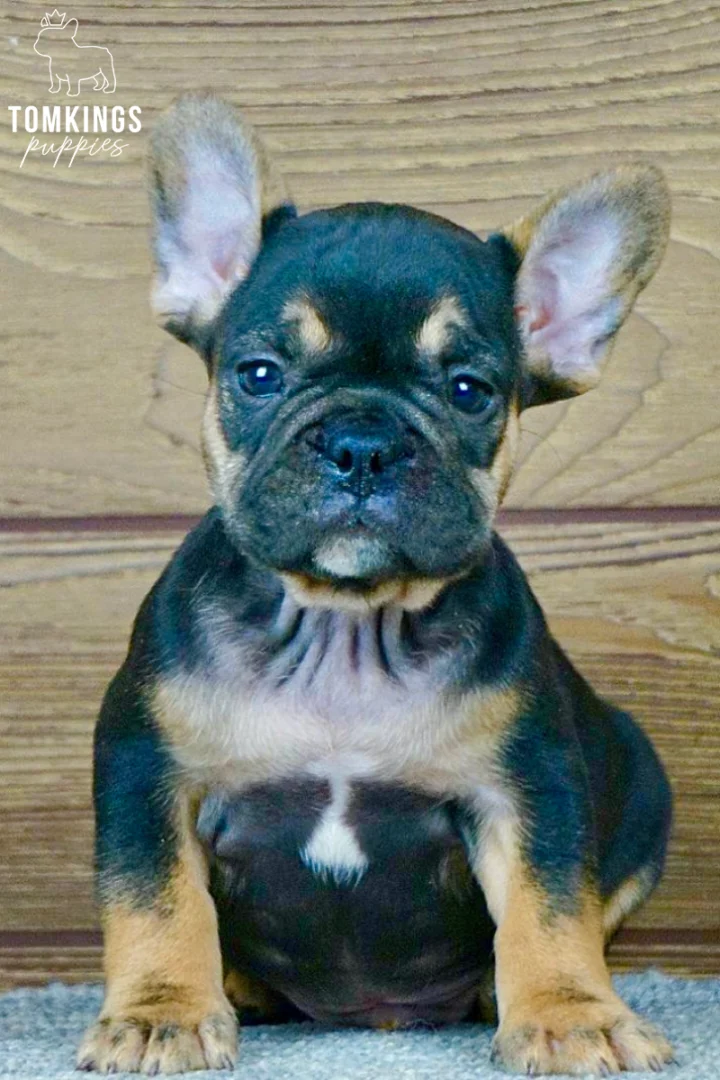
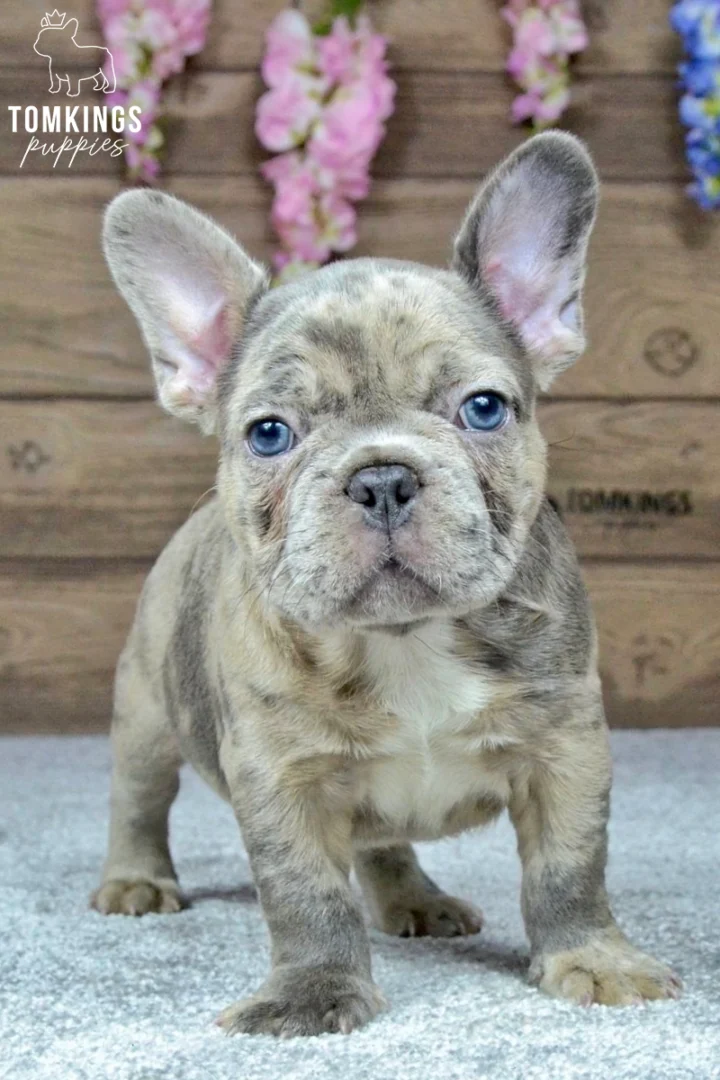
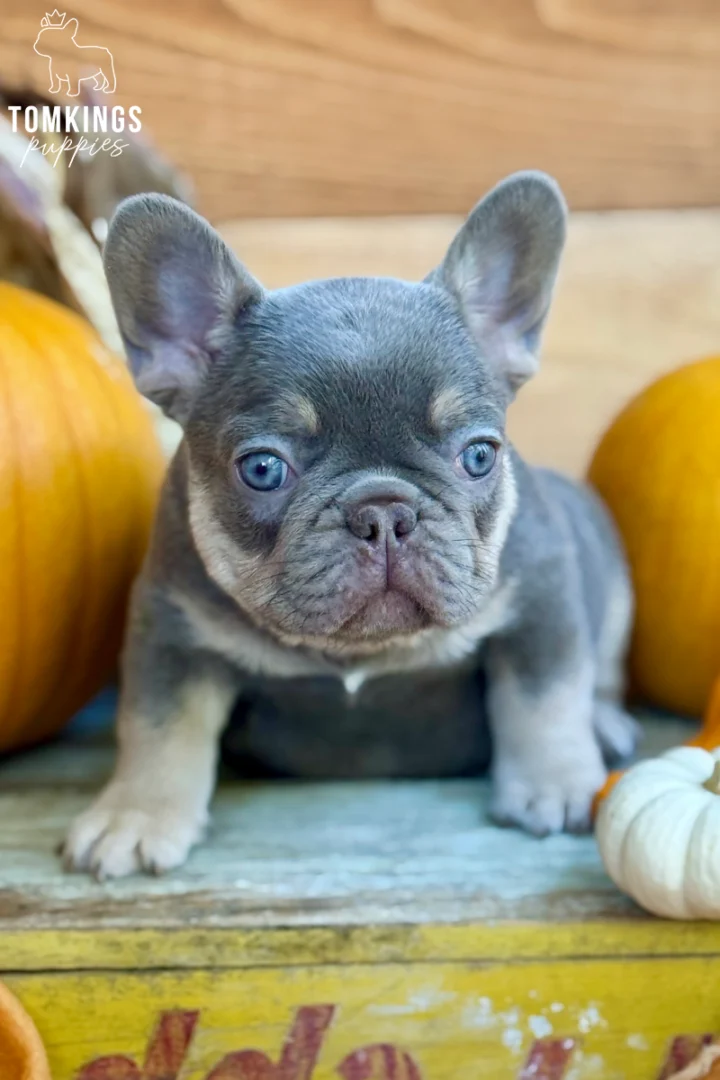
With their compact size and low-energy level, a French Bulldog is an excellent choice for small living spaces. They are also good with children and have playful personalities. Check out our available French Bulldog puppies, as well as our articles about the average French Bulldog price and how to find reputable French Bulldog breeders.

2. Chihuahua
These tiny dogs are ideal for apartment living and don’t require much exercise. However, they can be yappy and may not be the best fit for families with young children.

3. Pomeranian
These small dogs are known for their fluffy coat and friendly personality. They do require regular grooming and exercise, but their small size makes them perfect for apartment living.

4. Boston Terrier
These small but sturdy dogs are great for families with children and make excellent apartment pets. They have a low energy level and are easy to train.

5. Shih Tzu
These small dogs are affectionate and playful, making them great companions for apartment living.

6. Cavalier King Charles Spaniel
These friendly dogs are good with children and have a low-energy level, making them well-suited for small living spaces.

7. Dachshund
These small dogs are known for their unique long bodies and short legs. They are playful and make great apartment pets.

8. Jack Russell Terrier
Small but mighty, Jack Russell Terriers are energetic and intelligent dogs that make great companions for active families and experienced dog owners.

Best Medium Breeds
Best medium breeds are an excellent choice for those who want a dog that is not too small or too large. These breeds typically have a great balance between energy levels, exercise needs, and space requirements, making them an ideal choice for families with a bit more space to offer than small house owners.
What makes medium-sized dogs such a versatile choice?
One of the benefits of having a medium-breed dog is that they are often highly adaptable. They can thrive in both urban and suburban environments. They are usually great with children and other pets, which makes them strong family companions. Medium-sized dogs also suit people who enjoy outdoor activities, as they are often active and love to explore.
Overall, medium-breed dogs are an excellent choice for those who want a dog that is not too small or too large. They’re a great fit for families who have a bit more space to offer, and want a balanced, adaptable, child-friendly companion.
Which medium breeds are especially popular among families?
Some popular medium breeds include the Cocker Spaniel, Border Collie, Australian Shepherd, and Bulldog. Each of these breeds has its own unique personality and characteristics, but they all make excellent pets for those who are looking for a dog that is not too big or too small.
And now, let’s take a look at our favorite medium-sized dog breeds!
9. Basset Hound
These medium-sized dogs are affectionate and gentle, making them surprisingly great companions for apartment living.

10. Cocker Spaniel
These friendly and energetic dogs are great for families with children and are suitable for both small apartments and larger homes with yards. They do require regular grooming and exercise.

11. Border Collie
With their high energy level and intelligence, Border Collies are ideal for families who enjoy an active lifestyle. They require a lot of exercises and mental stimulation and are best suited for larger homes with yards.

12. Australian Shepherd
These intelligent and energetic dogs are great for families who enjoy an active lifestyle. They require lots of exercises and mental stimulation and are best suited for larger homes with yards.

13. Australian Cattle Dog
A hardworking breed that excels at herding and other tasks, Australian Cattle Dogs are intelligent and independent dogs that require an active lifestyle.

14. Bulldog
These medium-sized dogs have a low-energy level and are great for families with children. They do require regular exercise and are best suited for homes with a yard.

15. Boxer
These high-energy dogs are great with children and require lots of exercise. They are well-suited for larger homes with yards.

16. American Staffordshire Terrier
These loyal and affectionate dogs are great with children and make excellent family pets. They require regular exercise and mental stimulation.

17. English Springer Spaniel
These friendly and energetic dogs are great for families with children and are well-suited for both small apartments and larger homes with yards.

18. Whippet
Sleek and graceful, Whippets are gentle and affectionate dogs that love to cuddle and play.

Best Large House Dog Breeds
Best large house dog breeds are an excellent choice for those who have plenty of space and want a dog that can match their energy level. These breeds are typically larger in size and require more exercise and room to move than smaller dogs. This makes them ideal for families with bigger homes or yards.
What makes large dog breeds great family companions?
Large house dogs can offer a great sense of security and protection. Many of them are gentle giants who are wonderful with children and incredibly loyal to their families. Despite their impressive size, they are known for being affectionate, devoted, and eager to bond with their owners.
What should you consider before adopting a large house dog?
It’s important to remember that large breeds require more exercise, mental stimulation, food, and space than smaller dogs. Before adopting a large breed dog, make sure you can meet their physical and lifestyle needs so they stay happy, healthy, and well-adjusted.
Which large dog breeds are especially popular among families?
Some popular large house dog breeds include the Golden Retriever, Labrador Retriever, Great Dane, and Bernese Mountain Dog. Each of these breeds has its own unique personality and characteristics, but they all make excellent pets for those who have plenty of space to offer.
Let’s take a look at our favorite large dog breeds!
19. Golden Retriever
With their friendly and outgoing personality, Golden Retrievers are excellent family pets. They are best suited for homes with a yard and require regular exercise.

20. Labrador Retriever
These intelligent and friendly dogs are great with children and make excellent family pets. They require regular exercise and are best suited for homes with a yard.

21. Great Dane
These gentle giants are surprisingly well-suited to apartment living despite their size. They have a low energy level and are known for their calm and friendly temperament.

22. Bernese Mountain Dog
These gentle giants are great with children and make excellent family pets. They require regular exercise and are best suited for homes with a yard.

23. Newfoundland
These gentle giants are known for their calm and patient temperament. They require regular exercise and are best suited for homes with a yard.

24. Saint Bernard
These gentle giants are great with children and make excellent family pets. They require regular exercise and are best suited for homes with a yard.

25. Irish Wolfhound
These gentle giants are surprisingly well-suited to apartment living despite their size. They have a low energy level and are known for their calm and friendly temperament.

26. Siberian Husky
Known for their striking looks and friendly personalities, Siberian Huskies are loyal and affectionate dogs that thrive in colder climates.

27. Dalmatian
Famous for their distinctive spots and energetic nature, Dalmatians are active and playful dogs that make great companions for families with older children.

28. Akita
With their dignified and courageous nature, Akitas are loyal and protective dogs that make great companions for experienced dog owners.

Are You Looking for a Hypoallergenic Dog?
If you or someone in your household has allergies, a hypoallergenic dog may be the perfect furry friend for you. These breeds have hair instead of fur, which means they produce fewer allergens and are less likely to cause an allergic reaction.
What are the benefits of choosing a hypoallergenic dog?
One major advantage of having a hypoallergenic dog is that they shed less than other breeds, which means less cleaning and less time spent on grooming. You will of course still need to keep their coats healthy and tangle-free. Many hypoallergenic breeds also have friendly and affectionate personalities, making them great companions for families with children or for those who live alone.
Which hypoallergenic breeds are especially popular?
Some popular hypoallergenic dog breeds include the Poodle, Bichon Frise, Shih Tzu, and Yorkshire Terrier. Each of these breeds has its own unique personality and characteristics, but they all share the common trait of being hypoallergenic.
Let’s see what are some of the best hypoallergenic house dog breeds, one by one:
29. Poodle
These intelligent and friendly dogs are known for their curly, non-shedding coat. They come in a variety of sizes, including toy, miniature, and standard.

30. Bichon Frise
These small, fluffy dogs are playful and friendly. They have a non-shedding coat that requires regular grooming.

31. Shih Tzu
These small dogs are known for their long, silky coat, which is hypoallergenic and requires regular grooming. They are friendly and affectionate with their owners.

32. Yorkshire Terrier
These small dogs have a hypoallergenic coat that requires regular grooming. They are lively and affectionate and make great companions for apartment living.

33. Portuguese Water Dog
These intelligent and friendly dogs have a hypoallergenic coat that requires regular grooming. They are great for families with children who love to play in the water.

34. Maltese
These small dogs are known for their long, silky coat, which is hypoallergenic and requires regular grooming. They are affectionate and love to cuddle with their owners.

35. Chinese Crested
These small dogs come in both hairless and powderpuff varieties and are known for their affectionate and playful personality. They make great apartment pets.

What Research You Should Do Before Adopting a Dog
When you make the decision to welcome a dog into your home, it’s essential to do a thorough research beforehand. This will ensure that you’re making the right choice for both you and your potential new furry friend.
Choose a breed that matches your lifestyle
Each breed has its own unique temperament, and it’s important to find one that matches your personality and lifestyle. For example, some breeds are known to be more active and require lots of exercises, while others are more laid-back and prefer to cuddle on the couch.
Consider health and training factors
Some breeds are more prone to certain health issues than others. It’s important to research any potential health problems that a breed may have and be prepared to provide the necessary care.
You should also consider the level of training required for the breed you’re considering. Some breeds are easier to train than others, but all dogs require some level of training to ensure they are well-behaved and socialized.

Don’t forget about the ongoing costs that come with dog ownership
The cost of owning a dog goes beyond the initial adoption fee. You’ll also need to factor in the cost of food, grooming, veterinary care, and other supplies. Make sure you can afford to provide the necessary care for your new furry friend.
Remember, adopting a dog is a long-term commitment, so take the time to explore different breeds and ask questions. With patience and careful consideration, you’ll find the perfect companion who fits your home, lifestyle, and your heart.